
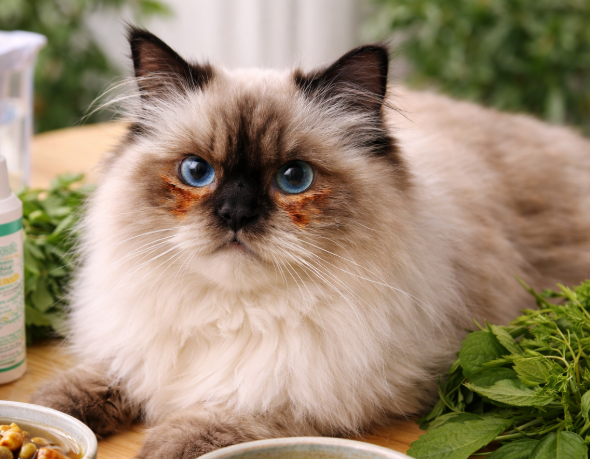
If you have noticed reddish or brown streaks under your cat’s eyes, you may wonder what really causes tear stains in pets and why they seem so difficult to manage. These stains are especially visible on light-colored cats, yet they can appear in any breed. While they may look like a simple grooming issue, they often reflect deeper factors that affect your cat’s overall health. Understanding what really causes tear stains in pets helps you go beyond surface cleaning and focus on real solutions that work over time.
At first, tear stains may seem harmless, but they can indicate irritation, diet issues, or even minor health concerns. Because of this, quick fixes rarely solve the problem completely. Instead, taking a closer look at what really causes tear stains in pets allows you to manage them in a safer and more effective way. With consistent care and the right knowledge, you can improve your cat’s appearance while supporting long-term eye health.
Excessive Tearing and Why It Happens
The most common explanation for what really causes tear stains in pets is excessive tearing, also known as epiphora. When your cat produces more tears than normal, the liquid spills over onto the fur. As a result, the moisture collects under the eyes and creates a damp environment where staining develops.
Tears contain natural compounds called porphyrins, which contain iron. When exposed to air, these compounds oxidize and turn a reddish-brown color. This is why tear stains appear darker over time. While occasional tearing is normal, frequent overflow usually points to an underlying cause.
Certain cats are more prone to tearing because of their facial structure. Flat-faced breeds, such as Persians, often have shorter tear ducts that do not drain efficiently. Therefore, understanding anatomy plays an important role in recognizing what really causes tear stains in pets and why some cats experience them more often.
Diet And Nutritional Triggers
Diet is another major factor in what really causes tear stains in pets, especially in cats with sensitivities. Low-quality food that contains artificial additives, fillers, or by-products can trigger inflammation. This inflammation often increases tear production, which leads to staining.
Some cats develop food sensitivities that result in watery eyes. Ingredients like grains or certain proteins may not suit every cat, causing a reaction that leads to excessive tearing. Switching to a high-quality, natural diet often reduces these symptoms over time.
Hydration also plays a role. Water with high mineral content may contribute to staining, particularly in sensitive cats. Because of this, many pet owners see improvement after switching to filtered water. While diet changes may take time to show results, they are a key part of addressing what really causes tear stains in pets.
Eye Structure And Genetic Influence
Genetics significantly influence tear staining in cats. Some breeds naturally have features that make tear drainage less efficient. For example, shallow eye sockets or narrow tear ducts can prevent proper tear flow, causing tears to spill onto the fur.
Long fur around the eyes can also worsen staining. Hair traps moisture and allows bacteria to grow more easily. As a result, stains become more visible and harder to remove. Regular grooming helps reduce this effect, but it does not completely eliminate the issue.
Although you cannot change your cat’s genetics, understanding this factor helps you manage expectations. Instead of trying to eliminate stains completely, you can focus on minimizing them. This perspective is essential when learning what really causes tear stains in pets and how to deal with them effectively.
Bacteria And Yeast Growth Around The Eyes
Another key factor in what really causes tear stains in pets is the presence of bacteria and yeast. When tears remain on the fur, they create a moist environment that supports microbial growth. Over time, this leads to discoloration and sometimes a noticeable odor.
Yeast infections can make stains appear darker and more persistent. In some cases, the area may also become irritated or itchy. Keeping the eye area clean and dry helps reduce these risks. Regular cleaning removes buildup and limits the growth of bacteria and yeast.
Maintaining hygiene is essential, but it must be done gently. Harsh cleaning methods can irritate the eyes and increase tearing. Therefore, a balanced approach is necessary when managing what really causes tear stains in pets.
Environmental Irritants And Allergies
Environmental factors often play a larger role than many owners realize. Dust, pollen, smoke, and even household chemicals can irritate your cat’s eyes. When the eyes become irritated, they produce more tears to protect themselves.
This increased tearing leads to more staining, especially if the irritants are present daily. Keeping your cat’s environment clean can reduce this effect. Regularly cleaning surfaces and improving air quality can make a noticeable difference.
In addition, seasonal allergies can contribute to tear stains. Just like humans, cats can react to changes in the environment. Understanding these triggers is another important step in identifying what really causes tear stains in pets.
Grooming And Hygiene Habits
Poor grooming habits can make tear stains worse over time. When the area around your cat’s eyes is not cleaned regularly, tears and debris build up quickly. This buildup leads to deeper stains and increases the risk of bacterial growth.
Keeping the fur trimmed around the eyes helps reduce moisture retention. Gentle daily cleaning removes surface buildup before it becomes a problem. These simple steps make a big difference in managing tear stains.
Consistency is important. Occasional cleaning will not produce lasting results. Therefore, establishing a routine is one of the most effective ways to address what really causes tear stains in pets and prevent them from worsening.
Underlying Health Conditions
Sometimes tear stains are more than just a cosmetic issue. Certain health conditions can lead to excessive tearing and staining. These include eye infections, blocked tear ducts, and allergies.
If your cat shows signs such as redness, swelling, or discharge, it is important to seek veterinary advice. A professional can identify the root cause and recommend appropriate treatment. Ignoring these signs can lead to more serious problems over time.
Addressing health concerns early ensures better outcomes. It also helps you focus on safe and effective solutions for what really causes tear stains in pets rather than temporary fixes.
How Multiple Factors Combine
Tear stains rarely have a single cause. In most cases, they result from a combination of factors. For example, a cat with sensitive eyes, poor diet, and environmental irritants is more likely to develop noticeable stains.
Because of this, solving the issue requires a comprehensive approach. Improving diet, maintaining hygiene, and reducing irritants all work together to reduce staining. Focusing on just one factor may not deliver the results you expect.
Understanding how these elements interact gives you a clearer picture of what really causes tear stains in pets. It also helps you create a routine that addresses the problem from multiple angles.
Practical Ways To Reduce Tear Stains
Once you understand the causes, taking action becomes easier. Start by improving your cat’s diet and ensuring access to clean, filtered water. Next, establish a gentle cleaning routine using pet-safe products.
Regular grooming helps keep the area around the eyes clean and dry. Trimming excess fur reduces moisture buildup and makes cleaning more effective. In addition, maintaining a clean environment minimizes exposure to irritants.
If tear stains persist, consulting a veterinarian is the best step. Professional guidance ensures that you address any underlying issues correctly. Combining these steps provides a balanced solution to what really causes tear stains in pets.
Conclusion
Tear stains in cats may seem simple, but they often reflect a combination of internal and external factors. By understanding what really causes tear stains in pets, you can move beyond temporary fixes and focus on long-term care. Excessive tearing, diet, genetics, bacteria, and environmental factors all contribute to the problem.
Instead of relying on harsh solutions, a consistent and gentle approach delivers better results. With the right care routine, you can reduce staining and improve your cat’s overall comfort. Over time, these efforts lead to healthier eyes and a cleaner appearance, giving your cat the care they truly deserve.
FAQ
1. Why do some cats have worse tear stains than others?
Some cats are more prone due to genetics, facial structure, and sensitivity to diet or environmental factors.
2. Can changing my cat’s food reduce staining?
Yes, switching to high-quality food can lower inflammation and reduce excessive tearing over time.
3. Are tear stains harmful to cats?
They are usually harmless but can signal underlying issues if they persist or worsen.
4. How often should I clean my cat’s eyes?
Daily gentle cleaning helps prevent buildup and keeps the area dry and healthy.
5. When should I visit a veterinarian for tear stains?
You should seek help if you notice redness, swelling, or unusual discharge around the eyes.

