
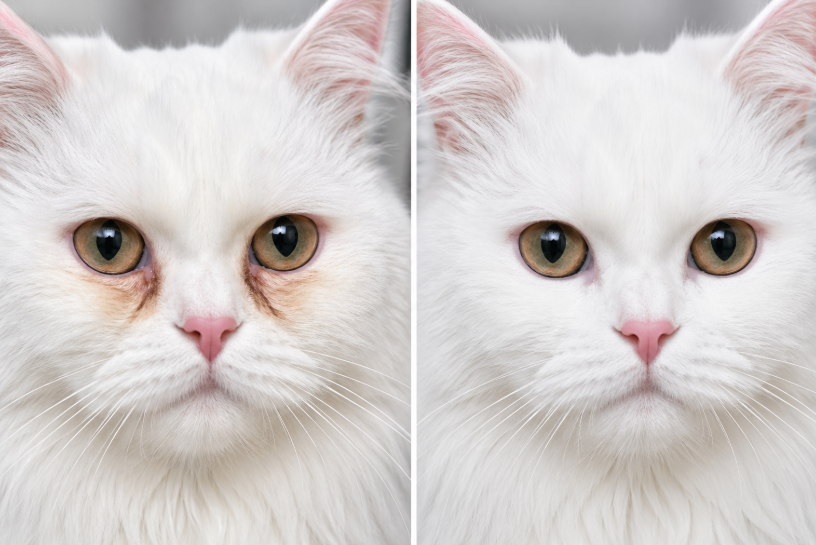
Tear stains can quickly become a frustrating problem for pet owners, especially when they appear suddenly and seem difficult to remove. However, the real solution is not constant cleaning but learning how to prevent tear stains before they even begin. By understanding the root causes and building simple daily habits, you can keep your pet’s face clean, healthy, and free from those stubborn reddish marks that tend to develop over time.
Most tear staining starts from a combination of moisture, bacteria, and poor drainage around the eyes. When tears sit on the fur for too long, they create the perfect environment for staining and buildup. That is why focusing on prevention is far more effective than trying to remove stains after they appear. With a proactive approach, you can maintain your pet’s natural appearance while also improving their overall eye health.
Understanding Why Tear Stains Form
Before you can prevent tear stains effectively, it helps to understand why they happen in the first place. In many cases, excessive tearing occurs when the tear ducts do not drain properly. This causes moisture to spill onto the fur, where it oxidizes and leads to discoloration over time. Additionally, certain breeds are more prone to tear staining due to their facial structure, especially those with flat faces or shallow eye sockets.
Diet also plays a significant role. Low-quality ingredients, artificial additives, and allergens can contribute to increased tear production. As a result, even pets with otherwise healthy eyes may develop stains if their nutrition is not properly balanced. Environmental factors, such as dust and poor hygiene, can further worsen the issue by irritating the eyes and increasing tear flow.
When you look at tear staining from this broader perspective, it becomes clear that prevention involves multiple areas of care rather than just surface cleaning.
Daily Cleaning Habits That Make a Difference
One of the simplest ways to prevent tear stains is by maintaining a consistent daily cleaning routine. Gently wiping your pet’s eye area removes moisture before it has time to settle into the fur. This small habit, when done regularly, can significantly reduce the chances of staining.
Use a soft, damp cloth or a pet-safe wipe to clean around the eyes. Avoid harsh chemicals, as these can irritate the skin and actually increase tearing. Instead, focus on gentle, consistent care that keeps the area dry and free from debris. Over time, this routine becomes second nature and helps maintain a clean appearance effortlessly.
Equally important is drying the area after cleaning. Moisture left behind can quickly undo your efforts, so always ensure the fur is completely dry. This step is often overlooked, yet it plays a crucial role in helping you prevent tear stains effectively.
The Role of Diet in Tear Stain Prevention
Nutrition is one of the most overlooked factors when trying to prevent tear stains. What your pet eats directly affects tear production, immune health, and overall skin condition. Therefore, choosing a high-quality diet can make a noticeable difference in reducing tear staining.
Look for foods that contain natural ingredients without artificial colors or preservatives. These additives can trigger sensitivities that lead to excessive tearing. In addition, consider switching to filtered water, as minerals in tap water may contribute to staining in some pets.
Adding omega fatty acids to your pet’s diet can also support healthy skin and reduce inflammation. This helps stabilize tear production and creates a healthier environment around the eyes. While dietary changes may take time to show results, they offer long-term benefits that go beyond just preventing stains.
Grooming Practices That Support Clean Eyes
Proper grooming is another key element when you want to prevent tear stains consistently. Long or dense fur around the eyes can trap moisture and create the perfect conditions for staining. By keeping this area trimmed, you allow better airflow and reduce the buildup of tears.
Regular brushing also helps remove debris that could irritate the eyes. When particles accumulate near the face, they can trigger tearing as the body tries to flush them out. Therefore, maintaining a clean coat is not just about appearance but also about eye health.
In addition, consider scheduling routine grooming sessions if you are unable to manage trimming at home. Professional groomers can safely maintain the eye area while ensuring your pet stays comfortable throughout the process.
Keeping the Eye Area Dry and Healthy
Moisture control is one of the most important steps to prevent tear stains effectively. Even with proper cleaning, excess moisture can still accumulate throughout the day. That is why it is essential to monitor your pet’s face and keep it as dry as possible.
Using absorbent powders designed for pets can help manage moisture around the eyes. These products create a barrier that prevents tears from soaking into the fur. However, always choose gentle, pet-safe options to avoid irritation.
Another helpful approach is adjusting your pet’s environment. For example, reducing humidity levels and keeping living spaces clean can minimize factors that contribute to excessive tearing. Small adjustments like these can have a lasting impact on preventing stains.
Managing Allergies and Irritants
Allergies are a common cause of excessive tearing, which makes them a major factor to address when trying to prevent tear stains. Pets can be sensitive to food ingredients, pollen, dust, and even household products. Identifying and reducing these triggers can significantly improve eye health.
Start by observing when tearing becomes more noticeable. If it increases during certain seasons or after specific foods, there may be an underlying allergy. Gradually eliminating potential triggers can help pinpoint the cause and reduce symptoms.
In some cases, consulting a veterinarian may be necessary to rule out more serious issues. Early intervention not only helps prevent tear stains but also ensures your pet remains comfortable and healthy overall.
Choosing the Right Bowls and Feeding Setup
Something as simple as your pet’s food and water bowls can influence tear staining. Plastic bowls, for instance, can harbor bacteria that contribute to irritation and increased tearing. Switching to stainless steel or ceramic bowls is a small change that can support better hygiene.
Additionally, keeping bowls clean is essential. Residue buildup can introduce unwanted bacteria, which may affect your pet’s eyes over time. By maintaining a clean feeding environment, you take another step toward helping prevent tear stains naturally.
Elevating bowls slightly can also improve posture during feeding, which may reduce strain and promote better tear drainage. While this may seem minor, it contributes to an overall strategy of prevention.
Consistency Is the Key to Long-Term Results
Many pet owners expect immediate results, but learning to prevent tear stains is about consistency rather than quick fixes. Each small habit, from daily cleaning to proper nutrition, works together to create lasting improvements. When these practices become part of your routine, you will notice fewer stains and healthier eyes over time.
It is important to remain patient and committed. Changes in diet or grooming may take weeks to show visible results, but the long-term benefits are worth the effort. By staying consistent, you reduce the need for constant cleaning and avoid the frustration of recurring stains.
When to Seek Professional Advice
While most cases can be managed at home, there are times when professional guidance is necessary. If your pet’s tearing is excessive or accompanied by redness and discomfort, it may indicate an underlying medical issue. In such situations, a veterinarian can provide the appropriate diagnosis and treatment.
Addressing these issues early not only helps prevent tear stains but also protects your pet’s overall well-being. Ignoring symptoms can lead to more serious problems, so it is always better to act sooner rather than later.
Building a Simple Routine That Works
Creating a manageable routine is the final step in your effort to prevent tear stains successfully. Instead of relying on complicated methods, focus on a few key habits that you can maintain daily. Clean the eye area, keep it dry, provide a balanced diet, and monitor for any signs of irritation.
Over time, these habits become effortless and deliver noticeable results. Your pet will not only look better but also feel more comfortable, which is ultimately the goal of any care routine.
Conclusion
Learning how to prevent tear stains before they start is one of the most effective ways to maintain your pet’s appearance and health. Rather than constantly treating stains after they appear, a proactive approach addresses the root causes and stops the problem at its source. By combining proper cleaning, balanced nutrition, consistent grooming, and environmental awareness, you create a complete system that keeps tear staining under control.
While no method guarantees instant results, consistency makes all the difference. With patience and the right habits, you can significantly reduce tear staining and enjoy a cleaner, healthier pet. In the end, prevention is not just easier but also far more rewarding than dealing with stains after they form.
FAQ
1. What causes tear staining in pets?
Tear staining usually results from excess tears that do not drain properly, combined with bacteria and moisture buildup on the fur.
2. Can diet changes reduce eye staining?
Yes, improving diet quality and removing artificial additives can help reduce tear production and support overall eye health.
3. How often should I clean my pet’s eyes?
Daily cleaning is ideal, as it prevents moisture from settling and reduces the chances of stains forming.
4. Are some breeds more prone to staining?
Yes, breeds with flat faces or prominent eyes are more likely to experience tear staining due to their facial structure.
5. When should I see a veterinarian about tearing?
If tearing is excessive, persistent, or accompanied by redness or discomfort, it is best to seek professional advice.

