
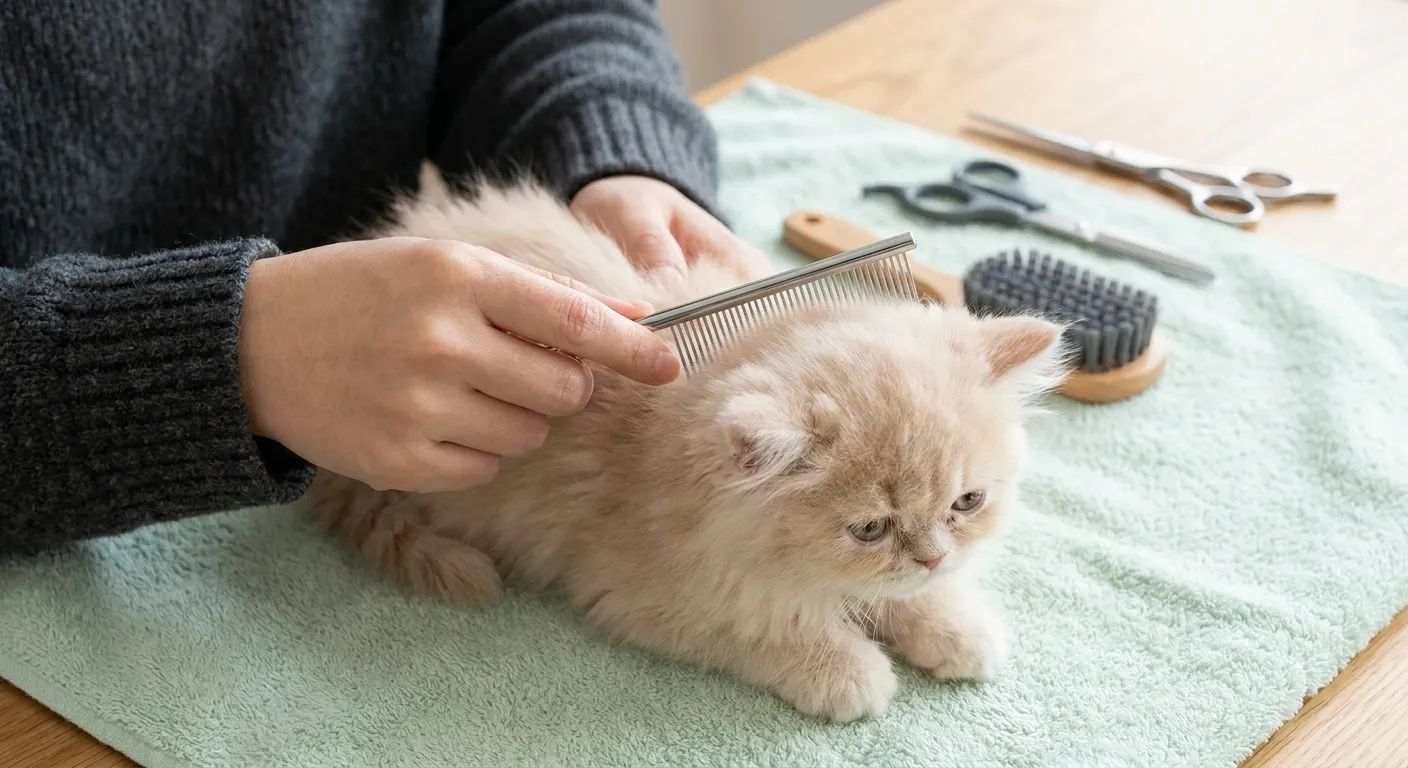
Starting early with grooming Persian kitten is one of the most beneficial practices you can adopt for their long-term health and well-being. Persian cats are known for their magnificent coats, which require consistent care. Introducing grooming routines during kittenhood helps desensitize them to the process, making it a positive and stress-free experience as they grow into adults. This early training not only prevents future struggles but also fosters a stronger bond between you and your feline companion. Laying this foundation ensures a lifetime of easier grooming and a healthier, happier cat.
Gentle Introduction to Brushing and Combing
Begin grooming your Persian kitten with short, gentle sessions. Use a soft kitten brush or a fine-toothed metal comb designed for delicate fur. Focus on making the experience pleasant, offering treats and praise. Start with brief strokes, gradually increasing the duration as your kitten becomes more comfortable. Pay attention to sensitive areas like the belly, armpits, and behind the ears, as these are common spots for mats to form. The goal is to accustom them to the sensation of brushing, not necessarily to achieve a perfectly groomed coat initially. Consistency is paramount; even five minutes a day can make a huge difference in how your kitten perceives grooming.
Acclimating to Nail Trims and Handling
Beyond brushing, early exposure to nail trims and general handling is vital. Gently touch your kitten’s paws, playing with their toes and extending their claws for a second or two. This desensitizes them to having their paws handled, which is essential for stress-free nail trimming later on. Use kitten-specific clippers and only trim the very tip, avoiding the quick. Similarly, gently examine their ears and eyes to prepare them for future cleaning routines. Making these experiences positive through calm interaction and rewards will ensure that caring for your Persian kitten becomes a natural and accepted part of their life, preventing anxiety and resistance as they mature. This proactive approach sets them up for a lifetime of good grooming habits.
The Importance of Early Grooming for Persian Cats
Persian cats possess a unique beauty, largely due to their long, luxurious coats. However, this beauty comes with significant grooming responsibilities. Neglecting early grooming can lead to severe matting, skin infections, and discomfort for your feline friend. Therefore, establishing a routine while they are young is crucial. A well-groomed Persian kitten grows into a well-adjusted adult cat, tolerant of the necessary maintenance. This early conditioning helps prevent stress and makes the entire process more enjoyable for both of you. Furthermore, regular interaction during grooming strengthens the bond between owner and pet.
Essential Tools for Grooming Your Persian Kitten
Having the right tools is fundamental for successful kitten grooming. Firstly, a soft-bristle kitten brush is ideal for their delicate fur. As they grow, you will transition to a high-quality metal comb with both fine and wide teeth. A slicker brush can also be beneficial for detangling, used with care. Secondly, invest in kitten-specific nail clippers. Human nail clippers are generally too large and can split their delicate claws. Additionally, a blunt-nosed scissors can be useful for carefully trimming small mats that cannot be combed out, always with extreme caution. Ear cleaner and cotton balls, along with pet-safe eye wipes, complete your essential grooming kit. Choosing the correct tools simplifies the process of grooming Persian kitten.
Building a Positive Grooming Experience
Creating a positive association with grooming is key. Always choose a quiet, calm environment where your kitten feels safe. Start with very short sessions, perhaps just a minute or two, and gradually extend the time. Offer high-value treats and plenty of verbal praise throughout and immediately after each session. If your kitten shows signs of stress, such as tail flicking, hissing, or struggling, stop immediately. Never force them to endure grooming. Instead, end the session on a positive note, even if it’s just with a quick pet and a treat. Patience is your most valuable tool when teaching your kitten to accept grooming. Remember, the goal is to make grooming a pleasant routine, not a battle.
Tackling Common Grooming Challenges with Kittens
Even with the best intentions, you might encounter challenges when caring for your Persian kitten. Matting is a primary concern. Regular, gentle brushing helps prevent mats from forming. If you find a small mat, try to gently work it out with your fingers and a fine-toothed comb. For larger or tighter mats, it is often safer to consult a professional groomer or your veterinarian. They can remove mats safely without injuring your kitten’s skin. Another common issue is resistance to nail trims. Consistent handling of their paws from a young age significantly reduces this. If your kitten is particularly squirmy, try wrapping them gently in a towel, leaving one paw exposed at a time. This technique, sometimes called a ‘purrito,’ can provide a sense of security.
Bathing Your Persian Kitten: When and How
While daily brushing is essential, bathing your Persian kitten is also a necessary part of their routine, though less frequent. Persian cats, especially those with lighter coats, can accumulate oils and debris, leading to a greasy appearance or skin issues. Introduce bathing early to make it less stressful. Use a kitten-specific shampoo that is gentle and tear-free. Fill a sink or small tub with a few inches of lukewarm water. Gently wet your kitten, apply shampoo, and rinse thoroughly, ensuring no residue remains. Always dry them completely with a towel and a low-heat blow dryer, as damp fur can lead to matting or skin irritation. Making bath time a calm experience is vital for a healthy Persian cat.
Diet and Coat Health: A Crucial Connection
A healthy coat begins from within. The diet you provide your Persian kitten plays a significant role in the luster and manageability of their fur. High-quality kitten food, rich in essential fatty acids like Omega-3 and Omega-6, supports skin health and a shiny coat. Look for foods with real meat as the primary ingredient and avoid excessive fillers. Hydration is also key; ensure your kitten always has access to fresh, clean water. A well-nourished kitten will naturally have a healthier coat, making the process of maintaining your Persian kitten’s fur much easier. Consult your veterinarian for specific dietary recommendations tailored to your kitten’s needs.
Professional Grooming vs. At-Home Care
While regular at-home grooming is indispensable, professional grooming can offer additional benefits for your Persian kitten. A professional groomer has specialized tools and expertise to handle intricate matting, perform thorough baths, and provide sanitary trims. They can also offer valuable advice on specific techniques for your cat’s coat type. Consider scheduling periodic professional grooming sessions, perhaps every few months, especially if your kitten struggles with matting or if you feel overwhelmed. However, at-home care should never be neglected. The combination of consistent home grooming and occasional professional help ensures your Persian cat remains in top condition. This balanced approach is ideal for managing a long-haired cat.
Recognizing Signs of Skin and Coat Issues
During your regular grooming sessions, pay close attention to your Persian kitten’s skin and coat for any signs of trouble. Look for redness, flakiness, bumps, or any unusual odors on the skin. Excessive scratching or licking can indicate allergies, parasites, or skin infections. Part their fur to check for fleas or ticks, especially if they spend time outdoors. Changes in coat texture, such as excessive oiliness or dryness, can also signal underlying health issues or nutritional deficiencies. Early detection of these problems allows for prompt veterinary intervention, preventing them from escalating. Regular inspection is a critical part of maintaining your Persian kitten’s overall health.
The Long-Term Benefits of Early Grooming
The effort you invest in early grooming Persian kitten yields significant long-term benefits. Firstly, a well-groomed cat is a healthier cat. Regular brushing removes loose fur, preventing hairballs and reducing the risk of skin irritations. Secondly, it fosters a stronger bond between you and your pet. Grooming time becomes a positive interaction, building trust and affection. Thirdly, it saves you time and stress in the future. An adult Persian cat accustomed to grooming is much easier to manage than one who resists every brush stroke. Finally, it ensures your Persian cat lives a more comfortable and happier life, free from the pain and discomfort of matted fur. This proactive approach to grooming Persian kitten truly sets them up for success.
Creating a Consistent Grooming Schedule
Consistency is paramount when establishing a grooming routine for your Persian kitten. Aim for daily brushing sessions, even if they are short. Daily attention helps prevent mats from forming and keeps their coat in excellent condition. Nail trims should be done every 2-4 weeks, depending on how quickly their claws grow. Bathing might be necessary every 4-6 weeks, or more frequently for show cats or those prone to getting dirty. Mark these appointments on a calendar or set reminders to ensure you stay on track. A predictable schedule helps your kitten understand what to expect, further reducing anxiety around the grooming process. Remember, consistent grooming Persian kitten is a commitment that pays off.
Grooming as Preventative Health Care
Think of grooming not just as an aesthetic endeavor, but as a vital component of preventative health care for your Persian kitten. Regular grooming allows you to detect health issues early, such as lumps, skin lesions, or parasites, which might otherwise go unnoticed. It also helps in monitoring their overall physical condition. For instance, feeling their body during brushing can reveal changes in weight or muscle mass. Furthermore, by keeping their coat clean and free of mats, you reduce the likelihood of bacterial or fungal skin infections. This proactive approach to grooming Persian kitten extends beyond just appearance; it is about ensuring their holistic well-being. A well-maintained coat contributes significantly to their comfort and happiness.
In conclusion, the practice of early grooming Persian kitten is an investment in their lifelong health and happiness. By introducing gentle routines for brushing, nail trims, and handling from a young age, you create a foundation for a positive relationship with grooming. This proactive approach prevents common issues like matting, reduces stress for both pet and owner, and strengthens your bond. Remember to use the right tools, maintain a consistent schedule, and always make grooming a positive experience with treats and praise. Your dedication to early grooming will ensure your magnificent Persian cat enjoys a comfortable, healthy, and beautiful life.
For further information on feline health and care, consider visiting resources like the ASPCA or the Cornell Feline Health Center.
FAQ Section
What is the best age to start grooming a Persian cat?
The ideal time to begin caring for your Persian cat is during kittenhood, typically around 8-12 weeks of age. Starting early helps them acclimate to the process and reduces stress as they grow.
How often should I brush my young Persian cat?
Daily brushing is highly recommended for young Persian cats. Their long coats are prone to matting, so consistent, short sessions prevent tangles and keep their fur healthy.
What tools are essential for kitten grooming?
Essential tools include a soft kitten brush, a fine-toothed metal comb, kitten-specific nail clippers, and pet-safe eye wipes. As they grow, you’ll upgrade to more robust adult grooming tools.
Can I bathe my Persian kitten?
Yes, you can bathe your Persian kitten using a gentle, kitten-specific shampoo. Introduce baths gradually and ensure you dry them thoroughly to prevent matting and chills.
How do I make grooming a positive experience for my kitten?
Make grooming positive by using treats, praise, and short sessions in a calm environment. Never force your kitten; stop if they show signs of stress and always end on a good note.
What are the signs of matting in a Persian cat’s fur?
Mats appear as dense, tangled clumps of fur, often found in areas like the armpits, belly, and behind the ears. They can pull on the skin, causing pain and discomfort.

