
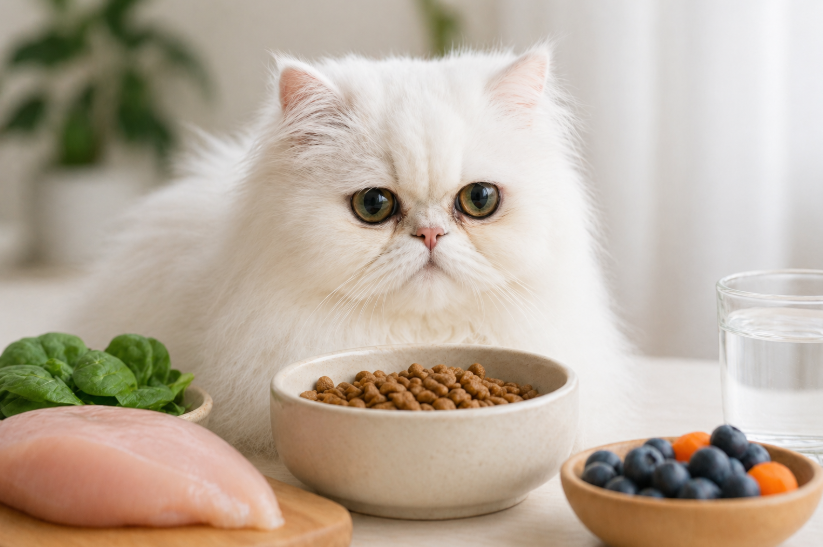
Many pet owners focus on cleaning when stains appear, yet few realize how much diet affects tear stains long before they become visible. While grooming and hygiene matter, what your pet eats plays a powerful role in tear production, eye health, and overall skin condition. When nutrition is balanced and clean, the chances of staining drop significantly. However, poor food choices can quietly trigger excessive tearing and lead to discoloration over time.
Understanding this connection can completely change how you approach tear stains. Instead of treating the surface issue again and again, you begin addressing the cause from within. As a result, your pet not only looks better but also feels healthier overall. With a few simple adjustments, you can support your pet’s system and reduce staining naturally.
Why Nutrition Plays A Major Role
To understand how diet affects tear stains, it helps to look at how the body processes food and reacts to certain ingredients. When pets consume low-quality food filled with fillers and artificial additives, their bodies may respond with inflammation. This often shows up in subtle ways, including increased tear production.
Excess tearing creates a constant flow of moisture around the eyes. Over time, this moisture leads to oxidation and staining on the fur. Therefore, the issue is not just cosmetic but also linked to internal health. When the diet improves, the body becomes more balanced, and tear production often stabilizes.
In addition, the immune system plays a key role. A strong immune response helps manage sensitivities and prevents overreaction to food ingredients. On the other hand, a weakened system may react more easily, which can increase tearing and staining. That is why improving nutrition is one of the most effective ways to prevent these issues.
Ingredients That Can Trigger Tear Stains
One of the clearest ways diet affects tear stains is through specific ingredients that may trigger sensitivity. Artificial colors, preservatives, and low-quality proteins are common culprits. These additives can irritate your pet’s system and lead to increased tear production.
Grains and fillers can also contribute, especially if your pet has difficulty digesting them. While not all pets react to grains, some may experience mild inflammation that results in watery eyes. Identifying these triggers can take time, yet the effort often leads to noticeable improvements.
Another factor to consider is protein source. Low-grade proteins may not be properly absorbed, which can stress the digestive system. In contrast, high-quality proteins support better digestion and reduce the likelihood of unwanted reactions. As a result, your pet’s eyes remain clearer and less prone to staining.
How Hydration Influences Eye Health
Hydration is often overlooked, yet it plays a crucial role in how diet affects tear stains. When pets do not receive enough clean water, their bodies struggle to maintain balance. This can lead to thicker tear secretions and increased staining.
Providing fresh, filtered water helps reduce the intake of minerals that may contribute to discoloration. Tap water sometimes contains substances that affect tear composition, especially in sensitive pets. By switching to a cleaner water source, you may notice gradual improvements in tear staining.
In addition, proper hydration supports overall detoxification. The body can flush out irritants more effectively, which reduces inflammation and helps stabilize tear production. While this may seem like a small adjustment, it often delivers meaningful results over time.
The Impact Of Food Quality On Tear Stains
Food quality is one of the strongest indicators of how diet affects tear stains. Premium pet foods typically contain fewer artificial ingredients and more natural nutrients. These foods are designed to support digestion, skin health, and immune function.
When pets eat high-quality food, their bodies can process nutrients more efficiently. This leads to healthier skin, improved coat condition, and reduced tear staining. In contrast, low-quality food may create ongoing stress in the system, which often shows up around the eyes.
Transitioning to better food should be done gradually. Sudden changes can upset the digestive system and create new issues. Instead, mix the new food with the old one over several days. This allows your pet to adjust comfortably while you observe any improvements in tear staining.
Supplements That Support Eye Health
Supplements can enhance the benefits of a balanced diet, especially when chosen carefully. Omega fatty acids, for example, support skin and coat health while reducing inflammation. This can help regulate tear production and minimize staining.
Probiotics are another valuable addition. They improve gut health, which plays a direct role in how the body responds to food. A healthy digestive system reduces the risk of sensitivities that may lead to excessive tearing.
However, supplements should always be introduced thoughtfully. It is best to consult a veterinarian before adding anything new to your pet’s routine. With the right guidance, supplements can complement your efforts and help reduce tear stains naturally.
Identifying Food Sensitivities In Pets
Because diet affects tear stains in complex ways, identifying sensitivities is an important step. Some pets react to specific ingredients without showing obvious signs like itching or digestive upset. Instead, the only clue may be increased tearing.
An elimination diet can help pinpoint problem ingredients. This involves removing potential triggers and slowly reintroducing them one at a time. While this process requires patience, it often reveals valuable insights into your pet’s needs.
Once you identify the trigger, avoiding it becomes much easier. Over time, your pet’s tear production may decrease, leading to fewer stains. This approach not only improves appearance but also supports long-term health.
Feeding Habits And Their Hidden Effects
Beyond ingredients, feeding habits also influence how diet affects tear stains. Irregular feeding schedules or overfeeding can stress the digestive system. This stress may contribute to inflammation, which can increase tear production.
Establishing a consistent feeding routine helps regulate digestion and maintain balance. Portion control is equally important, as excess weight can affect overall health and lead to additional issues. By keeping feeding habits consistent, you support your pet’s body in maintaining stable tear production.
Clean feeding areas also matter. Bacteria buildup in bowls can introduce irritants that affect your pet’s eyes. Using stainless steel or ceramic bowls and washing them regularly can reduce this risk.
Long-Term Benefits Of A Balanced Diet
When you address how diet affects tear stains, the benefits extend far beyond appearance. A balanced diet supports the immune system, improves energy levels, and enhances overall well-being. Tear stain reduction becomes just one part of a larger transformation.
Pets with proper nutrition often have brighter eyes, healthier coats, and better digestion. These changes reflect internal balance, which reduces the likelihood of recurring issues. Instead of constantly managing symptoms, you create a stable foundation for health.
Consistency is key. Improvements may take weeks or even months, yet the results are long-lasting. By maintaining a high-quality diet and monitoring your pet’s response, you can achieve sustainable improvements.
When To Seek Professional Guidance
Although many cases can be managed through diet, there are situations where professional advice is necessary. If tear staining persists despite dietary changes, there may be an underlying condition. Eye infections, blocked tear ducts, or other medical issues could be involved.
A veterinarian can perform a thorough examination and recommend appropriate treatment. Addressing these concerns early prevents complications and supports better outcomes. In some cases, combining medical care with dietary adjustments provides the best results.
Conclusion
Understanding how diet affects tear stains allows you to take a proactive approach to your pet’s health. Instead of focusing only on cleaning, you begin to address the root causes that lead to excessive tearing. Through better food choices, proper hydration, and consistent feeding habits, you can significantly reduce staining over time.
While no single change offers an instant solution, the combination of small improvements creates lasting results. With patience and attention to detail, you can help your pet maintain clear, healthy eyes and a cleaner appearance. Ultimately, a balanced diet is one of the most powerful tools you have to support your pet’s well-being.
FAQ
1. Can poor nutrition really cause eye staining in pets?
Yes, low-quality ingredients and additives can trigger inflammation, which may increase tearing and lead to visible stains.
2. What foods should I avoid to reduce staining?
Avoid artificial colors, preservatives, and low-grade proteins, as these can contribute to sensitivity and excess tearing.
3. Does water quality affect tear staining?
Yes, minerals in tap water may contribute to discoloration, so filtered water is often a better choice.
4. How long does it take to see improvement after diet changes?
Results usually appear within a few weeks, although some pets may take longer to show noticeable improvement.
5. Are supplements necessary for better eye health?
Not always, but omega fatty acids and probiotics can support overall health and help reduce excessive tearing in some pets.

