
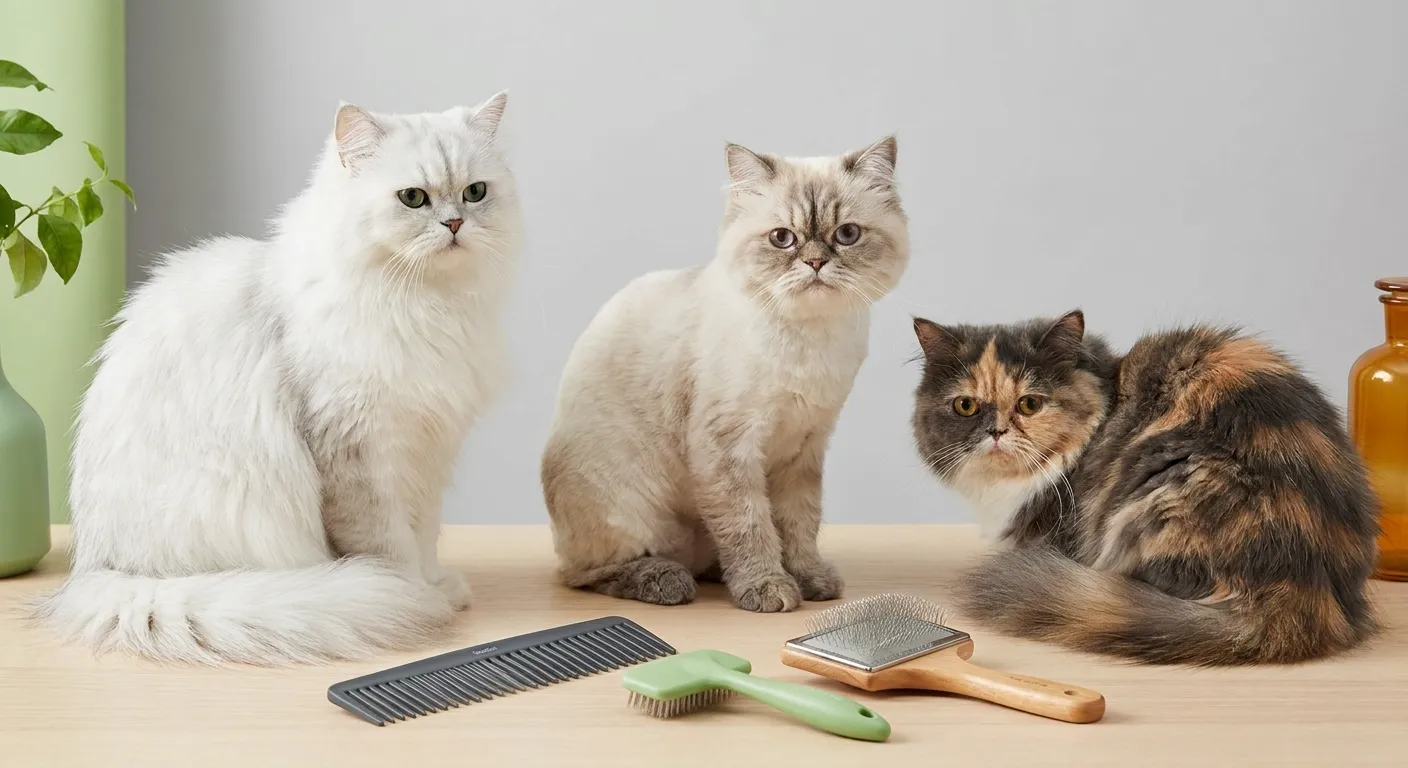
Persian cats are celebrated for their luxurious coats. However, not all Persian coats are created equal. While all are long-haired, subtle variations in texture and density significantly impact grooming needs. Understanding Persian cat coat types is crucial for developing an effective and efficient grooming routine. This approach maintains their health and aesthetic appeal. A one-size-fits-all strategy often leads to matting, skin irritation, or an unhealthy coat. Therefore, recognizing your cat’s specific coat characteristics allows you to tailor tools and techniques for optimal results.
Proper grooming is more than just aesthetics. Indeed, it directly contributes to your Persian’s overall well-being. Neglecting their unique coat structure can cause discomfort and even health issues. Consequently, investing time in understanding these differences pays dividends. This guide will explore the nuances of various coat structures and provide actionable advice. Furthermore, you will learn how to create a personalized grooming plan that truly works.
Understanding Persian Cat Coat Types: Density and Texture
Traditionally, Persian cats are known for their dense, double coats. These coats feature a long, flowing outer layer and a thick, woolly undercoat. This classic Persian coat type is highly prone to matting. Therefore, it requires daily brushing with a slicker brush and a metal comb to prevent tangles and remove loose fur. However, with the rise of ‘doll face’ Persians, some lines may exhibit slightly less dense coats. Alternatively, they might have a softer texture that still requires diligent care but could be marginally less prone to severe matting. Regardless of the exact lineage, the principle remains: the denser and finer the undercoat, the more frequent and thorough the brushing required. Recognizing these nuances in Persian cat coat types helps in selecting the right grooming strategy.
The undercoat is the primary culprit in matting. It sheds regularly but often gets trapped by the longer guard hairs. This trapped fur then forms dense knots. Moreover, humidity can exacerbate matting, making regular grooming even more critical. A good quality slicker brush effectively penetrates the topcoat to reach the undercoat. Following up with a metal comb ensures all tangles are removed. Specifically, pay attention to areas like the armpits, belly, and behind the ears, which are particularly prone to matting. Understanding these specific challenges for various Persian cat coat types is paramount.
Classic vs. Doll Face: Coat Density Differences
The distinction between classic and doll face Persian coats is often debated. However, it provides a useful framework for understanding coat variations. Classic Persians, also known as peke-faced, typically have an extremely dense and long coat. Their fur often feels thick and luxurious. This density necessitates a rigorous daily grooming schedule. On the other hand, doll face Persians, while still long-haired, sometimes present with a slightly less voluminous coat. Their fur might feel silkier or have a less dense undercoat. Nevertheless, this does not mean less grooming. It merely suggests a slight variation in the intensity of tools and frequency. Ultimately, the individual cat’s coat quality, rather than just its face shape, dictates the true grooming requirements. Therefore, assess each cat independently to determine its specific grooming needs based on its coat structure.
For instance, a classic Persian with an exceptionally thick undercoat might benefit from a dematting rake weekly. Conversely, a doll face Persian with a softer coat might only need it bi-weekly. Knowing your specific Persian cat coat types allows for such precise adjustments. Furthermore, seasonal shedding will also influence grooming frequency. Cats tend to shed more in spring and autumn. During these periods, you might need to increase brushing sessions regardless of coat type. Always observe your cat’s coat for any signs of matting or excessive shedding and adjust your routine accordingly. This proactive approach prevents severe problems.
Color Variations and Coat Health Considerations
Beyond density, coat color can sometimes correlate with texture. However, this is less about distinct ‘types’ and more about individual variations. For example, some solid-colored Persians might have a slightly coarser texture compared to a chinchilla or shaded Persian. What’s more important than color-based texture is overall coat health. This health is influenced by diet, genetics, and environment. A healthy coat, regardless of its specific type or color, will be soft, shiny, and less prone to matting. Tailoring your grooming routine means not just using the right tools for your specific Persian cat coat types. It also means ensuring their nutrition supports vibrant fur and addressing any underlying health issues that could affect coat quality. Regular veterinary check-ups are key to ensuring the coat’s health from the inside out.
Certain dietary supplements, such as omega-3 fatty acids, can significantly improve coat health. Moreover, a high-quality diet rich in protein and essential nutrients is fundamental. Environmental factors also play a role. For example, dry indoor air can contribute to flaky skin and a dull coat. Investing in a humidifier might be beneficial in such cases. Furthermore, stress can impact coat quality, causing excessive shedding or a lack of luster. Providing a calm and stimulating environment supports overall health, including coat vitality. Therefore, a holistic approach is essential when considering the health of various Persian cat coat types.
Essential Grooming Tools for Every Persian Cat Owner
Selecting the right tools is fundamental to effective Persian cat grooming. The wrong tools can damage the coat or cause discomfort. For example, a brush that is too harsh can scratch the skin. Conversely, a brush that is too soft will not effectively remove tangles. Therefore, understanding the purpose of each tool is crucial. Investing in high-quality grooming tools is a worthwhile expenditure. These tools will last longer and perform better. Moreover, they make the grooming process more enjoyable for both you and your cat.
Slicker Brushes and Metal Combs
A good slicker brush is indispensable for all Persian cat coat types. It features fine, short wires packed closely together. This design allows it to effectively remove loose undercoat and small tangles. When using a slicker brush, always brush in the direction of hair growth. Use gentle, sweeping motions. After using the slicker, a wide-toothed metal comb is necessary. This comb helps to detangle any remaining knots and ensures the entire coat is free of mats. A fine-toothed metal comb can then be used for more delicate areas, such as the face and behind the ears. Always be gentle, especially around sensitive areas. Notably, patience is key during these grooming sessions.
For particularly dense coats, consider a rotating-tooth comb. These combs are designed to glide through tangles more easily. They reduce pulling and discomfort. Furthermore, a good quality dematting tool can be a lifesaver for stubborn mats. However, use dematting tools with extreme caution. Improper use can cut the skin or damage the coat. If you encounter a large, tight mat, it might be safer to consult a professional groomer. They have specialized tools and expertise to handle severe matting safely. Ultimately, consistent daily brushing prevents the need for drastic measures.
Specialized Grooming Aids
Beyond brushes and combs, several specialized aids can enhance your grooming routine. For example, pet-specific detangling sprays can help loosen knots before brushing. These sprays often contain conditioners that also nourish the coat. Furthermore, a high-velocity pet dryer can be incredibly useful after bathing. It significantly reduces drying time and helps to fluff the coat, making it easier to brush. Always use a dryer designed for pets to avoid overheating. Additionally, regular nail trimming is essential for your Persian’s comfort and health. Use sharp, pet-specific nail clippers. Be careful not to cut into the quick, which can cause pain and bleeding. If unsure, ask your vet or a professional groomer for a demonstration. Similarly, ear cleaning and eye care are important aspects of overall grooming. Use a damp cloth to gently wipe away eye discharge and a vet-approved ear cleaner for routine ear maintenance. These small steps contribute significantly to your cat’s well-being and appearance, regardless of their specific Persian cat coat types.
For instance, many Persian cats, especially those with flatter faces, are prone to tear staining. Regular, gentle wiping with a soft, damp cloth or a specialized eye cleaner can prevent these stains from becoming severe. Moreover, dental hygiene should not be overlooked. Brushing your cat’s teeth regularly helps prevent dental disease, which can impact overall health. Consider introducing these practices early in your cat’s life. This helps them become accustomed to the routine. Therefore, a comprehensive grooming regimen extends beyond just brushing the coat.
Developing a Personalized Grooming Routine
A truly effective grooming routine is tailored to your individual cat. It considers their specific coat type, lifestyle, and temperament. A kitten might require shorter, more frequent sessions. Conversely, an adult cat with a well-maintained coat might need less intense daily care. The goal is to make grooming a positive experience. This fosters a stronger bond between you and your pet. Consequently, consistency is more important than duration. Even short daily sessions are more beneficial than infrequent, long ones.
Frequency and Techniques for Different Coat Textures
For dense, traditional Persian cat coat types, daily brushing is non-negotiable. Use a line-brushing technique to ensure you reach the undercoat. This involves parting the hair and brushing small sections at a time, working your way up the body. For softer or slightly less dense coats, daily brushing might still be ideal. However, you might find that every other day is sufficient, provided you are thorough. Always brush gently to avoid pulling the hair or irritating the skin. Furthermore, incorporate positive reinforcement, such as treats and praise, to make grooming enjoyable. This encourages cooperation and reduces stress for your feline friend. Remember, patience is a virtue when grooming any long-haired cat.
Bathing frequency also varies. Most Persians benefit from a bath every 4-6 weeks to keep their coats clean and free of oil buildup. Use a shampoo specifically formulated for cats. Ensure it is tearless and moisturizing. Always rinse thoroughly to prevent skin irritation. Residual shampoo can cause dryness and itching. After bathing, gently towel dry your cat. Then, use a high-velocity dryer on a low heat setting to fully dry the coat. Brush the coat as it dries to prevent tangles from forming. This process helps maintain the integrity of all Persian cat coat types.
Maintaining Coat Health Through Diet and Environment
A beautiful coat starts from within. A high-quality diet is paramount. Look for cat foods that list real meat as the first ingredient. These foods are rich in protein and essential fatty acids. These nutrients are vital for healthy skin and a shiny coat. Consider supplementing with omega-3 and omega-6 fatty acids, especially if your cat’s coat appears dull or dry. Consult your veterinarian before introducing any supplements. They can recommend appropriate dosages. Furthermore, ensure your cat has constant access to fresh water. Hydration is crucial for skin and coat health. Dehydration can lead to a dry, brittle coat.
Environmental factors also play a significant role. A clean living environment helps prevent dirt and allergens from accumulating in the coat. Regular vacuuming and cleaning of your cat’s bedding are important. Additionally, control indoor humidity levels. Dry air can strip moisture from the skin and coat. A humidifier can be beneficial, particularly during winter months. Finally, minimize stress in your cat’s life. Stress can manifest in various ways, including excessive shedding or poor coat condition. Provide plenty of enrichment, a stable routine, and a safe, comfortable space. These measures contribute to a healthy, vibrant coat, regardless of the specific Persian cat coat types. For more information on cat health, visit the ASPCA website. Similarly, learn about proper nutrition from PetMD.
Common Grooming Challenges and Solutions
Even with the best intentions, grooming a Persian cat can present challenges. Matting is perhaps the most common issue. However, behavioral resistance and skin sensitivities also arise. Knowing how to address these problems effectively ensures your grooming routine remains successful. Proactive measures often prevent minor issues from becoming major problems. Therefore, continuous observation and adjustment are key.
Dealing with Mats and Tangles
Mats are a persistent problem for many Persian cat coat types. Prevention is always better than cure. Daily brushing is the most effective preventative measure. If you do find a mat, approach it carefully. Never try to pull or cut a mat out with scissors unless you are absolutely sure of what you are doing. Scissors can easily cut the skin, which is very thin under a mat. Instead, try to gently work the mat apart with your fingers. Use a detangling spray and a metal comb. Start from the outer edges of the mat and work your way inward. If the mat is too tight or large, consider using a mat splitter tool. However, exercise extreme caution. For severe matting, a professional groomer or veterinarian may need to shave the affected area. This is often the safest and most humane option for your cat’s comfort.
Remember, mats can be painful. They pull on the skin and can restrict movement. They also create a breeding ground for bacteria and parasites. Therefore, addressing mats promptly is crucial for your cat’s health. Make grooming sessions short and positive. This helps build trust and makes your cat more cooperative. If your cat is particularly resistant, break up grooming into several short sessions throughout the day. This reduces stress for both of you. The goal is to keep their specific Persian cat coat types in top condition without causing distress.
Overcoming Grooming Resistance
Some Persian cats simply do not enjoy grooming. This resistance can stem from past negative experiences or simply a dislike of being handled. Patience and positive reinforcement are your greatest allies. Start grooming sessions when your cat is relaxed. Offer treats and praise throughout the process. Keep sessions short, especially in the beginning. Gradually increase the duration as your cat becomes more comfortable. If your cat shows signs of stress, such as tail twitching, flattened ears, or growling, stop the session. Resume later when they are calm. Never force grooming. This can create a stronger aversion. Instead, make it a positive ritual. For example, associate grooming with feeding time or playtime. This helps create positive associations. With consistency, most cats can learn to tolerate, and even enjoy, their grooming time. Understanding different Persian cat coat types helps predict grooming needs, but understanding their temperament is equally important.
Conclusion
Understanding Persian cat coat types is not just a recommendation; it is a necessity for responsible ownership. Each Persian cat possesses unique coat characteristics that demand a tailored grooming approach. By recognizing the nuances in density, texture, and individual variations, you can select the most effective tools and techniques. This personalized strategy ensures your cat’s coat remains healthy, beautiful, and free from mats. Furthermore, a holistic approach that includes proper nutrition, a clean environment, and regular veterinary care will support vibrant coat health from the inside out. Embrace the journey of learning your Persian’s specific needs. Consequently, you will foster a deeper bond and ensure their comfort and well-being for years to come. Remember, consistent, gentle care is the key to maintaining the magnificent coats of these beloved felines.
FAQ
What are the primary differences in Persian cat fur types?
The primary differences lie in coat density and texture. Traditional Persians often have a very dense, double coat with a thick undercoat. Some modern ‘doll face’ lines might have slightly less dense or softer fur. However, all require diligent grooming.
How often should I groom my Persian cat?
Most Persian cats benefit from daily brushing. This prevents matting, especially for those with very dense coats. Bathing every 4-6 weeks is also generally recommended to maintain coat cleanliness and health.
What tools are essential for grooming my Persian cat’s fur?
Essential tools include a good quality slicker brush, a wide-toothed metal comb, and a fine-toothed metal comb. Detangling sprays and a high-velocity pet dryer can also be very helpful.
Can diet affect my Persian cat’s coat quality?
Absolutely. A high-quality diet rich in protein and essential fatty acids (like omega-3s and omega-6s) is crucial for healthy skin and a shiny coat. Always ensure your cat has access to fresh water for hydration.
My Persian cat hates being groomed. What should I do?
Start with short, positive grooming sessions. Use treats and praise to create positive associations. Never force grooming. Gradually increase session duration as your cat becomes more comfortable. Consistency and patience are key.
Are there specific grooming needs for different coat colors?
While coat color can sometimes correlate with texture, it’s less about distinct grooming needs based on color. Focus more on the individual cat’s coat density, texture, and overall health, rather than just its color, when tailoring your routine.

