
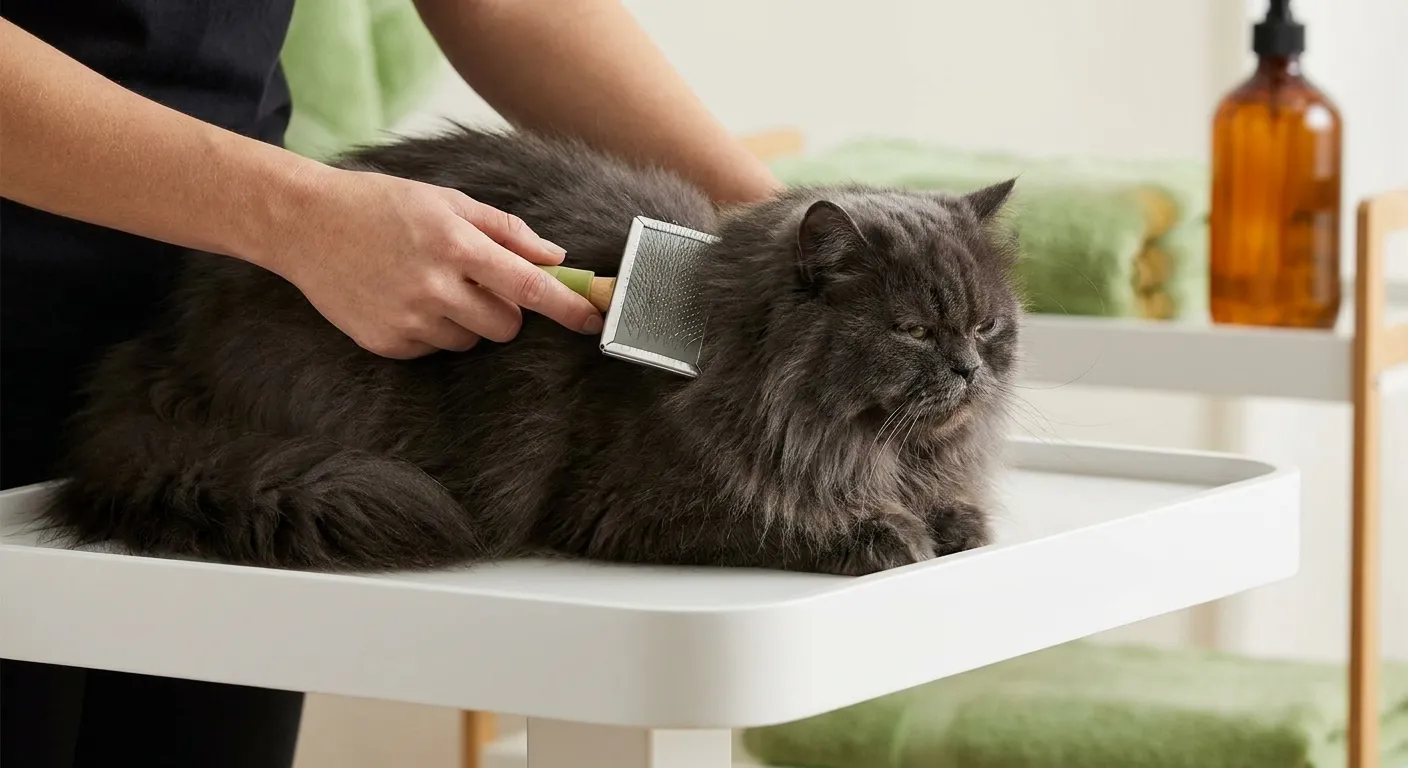
The luxurious, flowing coat of a Persian cat is undeniably magnificent, but it comes with a responsibility: consistent, informed grooming. For owners and aspiring groomers, understanding effective Persian cat de-shedding techniques is crucial for maintaining this iconic coat’s health and beauty, especially as seasons change. Moving beyond generic advice, Persian Grooming Pro champions a specialized, in-depth approach, recognizing the unique needs of these magnificent felines.
In the rapidly evolving pet grooming sector, there’s a significant shift towards “Wellness-Focused Grooming,” often termed “Skinification.” This trend emphasizes holistic routines prioritizing skin comfort, coat health, and the emotional well-being of pets. This philosophy perfectly aligns with our approach at Persian Grooming Pro. We believe grooming is not just about aesthetics but about fostering a deeper connection and ensuring your Persian’s overall vitality.
Understanding Persian Cat De-Shedding Techniques
Persian cats possess a dense double coat. This coat consists of a soft, woolly undercoat and longer, coarser guard hairs. This magnificent insulation means they shed continuously, with heavier periods in spring and autumn. Neglecting this shedding leads to mats, tangles, and skin issues, causing discomfort and potential health problems.
Effective de-shedding goes far beyond a quick brush. It requires specialized tools and a methodical approach:
- De-Shedding Rakes: These tools are designed to penetrate the dense topcoat. They gently remove loose undercoat without cutting or damaging the guard hairs. Use short, gentle strokes, always brushing in the direction of hair growth. Pay close attention to high-friction areas like the armpits, hind legs, and under the tail.
- Slicker Brushes: These brushes are excellent for detangling and removing surface mats. Slicker brushes should be used carefully, especially on sensitive skin. Follow with a wide-toothed comb to ensure all tangles are removed.
- Grooming Gloves: These silicone or rubber gloves are fantastic for daily maintenance. They are also ideal for Persians who are sensitive to traditional brushes. They effectively gather loose fur while offering a comforting massage.
- Pin Brushes: Ideal for the longer topcoat, a good quality pin brush helps to distribute natural oils and add shine, reducing static.
Always approach de-shedding sessions with patience and positivity. Create a calm environment, perhaps with soft music. This embodies the “Stress-Free and Low-Sensory Grooming” trend that prioritizes the cat’s emotional well-being.
Seasonal Adjustments for Optimal Coat Health
The needs of your Persian’s coat fluctuate with the seasons. This requires a “Personalized and Breed-Aware Routine.”
Spring & Summer: Lighten Up and Prevent Mats
As temperatures rise, your Persian will shed their thicker winter coat. Increased de-shedding frequency (daily or every other day) is essential. During these warmer months, focus on removing as much loose undercoat as possible. This helps prevent overheating and reduces the likelihood of matting. Furthermore, consider a professional groomer for a sanitary trim around the hindquarters. This helps maintain hygiene and prevents dingleberries, especially in long-haired breeds. Regular bathing with a de-shedding shampoo can also loosen dead hair, making subsequent brushing more effective. Remember, proper hydration is also vital for coat health.
Autumn & Winter: Prepare for the Cold and Build Density
In autumn, Persians typically shed their lighter summer coat to grow a denser winter one. Continue regular de-shedding, perhaps 2-3 times per week, to manage this transition. The focus shifts to maintaining the coat’s integrity and preventing tangles that can occur as the coat thickens. During winter, while shedding might decrease, consistent brushing is still crucial. This distributes natural oils, protects against dryness, and prevents mats from forming in the thick winter coat. Ensuring a balanced diet rich in Omega fatty acids can also support a healthy, robust winter coat. This is a key aspect of holistic care for these beautiful felines.
The Importance of Proper Bathing in De-Shedding
Bathing is an often-underestimated component of effective de-shedding. A proper bath can significantly loosen dead hair, making it easier to remove during subsequent brushing. However, bathing a Persian requires specific techniques to avoid matting and stress.
First, thoroughly brush and de-tangle your Persian before bathing. Any existing mats will tighten and worsen when wet. Use a high-quality de-shedding shampoo and conditioner formulated for cats. These products often contain ingredients that help release loose undercoat. Apply shampoo gently, working it into the coat without scrubbing vigorously, which can cause tangles. Rinse thoroughly to ensure no residue is left, as this can irritate the skin.
After bathing, gently towel-dry your Persian. Then, use a pet-specific force dryer on a cool or low-heat setting. This not only dries the coat efficiently but also helps blow out a significant amount of loose hair. While drying, continue to brush through the coat to prevent tangles and ensure thorough drying. This comprehensive approach to bathing and drying is integral to successful Persian cat de-shedding techniques.
Nutrition and Supplements for a Healthy Coat
A healthy coat starts from within. Diet plays a pivotal role in managing shedding and maintaining overall coat health. High-quality cat food, rich in animal protein, is fundamental. Look for foods that list meat as the first ingredient.
Furthermore, consider supplements that support skin and coat health. Omega-3 and Omega-6 fatty acids are particularly beneficial. These can be found in fish oil supplements or specific cat foods fortified with these nutrients. They help maintain skin hydration, reduce inflammation, and promote a shiny, healthy coat, thus minimizing excessive shedding. Biotin and Vitamin E are also excellent for supporting hair growth and skin health. Always consult your veterinarian before introducing any new supplements to your cat’s diet. This ensures they are appropriate for your Persian’s specific health needs.
Environmental Factors and Shedding Management
Beyond direct grooming, environmental factors significantly influence your Persian’s shedding cycle. Maintaining a consistent indoor temperature can help regulate their coat. Extreme temperature fluctuations can trigger more intense shedding. Humidity levels also play a role; a moderately humid environment (around 40-60%) can help keep skin and coat healthy, preventing dryness that can lead to increased shedding.
Additionally, regular cleaning of your home is crucial. Vacuuming frequently removes shed hair from carpets and upholstery, reducing allergens and preventing the spread of fur throughout your living space. Investing in an air purifier can also help capture airborne dander and loose hair. Providing comfortable, clean bedding encourages your Persian to rest in designated areas, further containing shedding. These environmental considerations complement effective Persian cat de-shedding techniques, contributing to a cleaner home and a healthier cat.
The Role of Professional Grooming in De-Shedding
While home grooming is essential, professional grooming offers specialized services that can greatly benefit your Persian, especially during heavy shedding seasons. Professional groomers have access to industrial-strength dryers and specialized tools that can remove significantly more undercoat than home equipment. They are also skilled in identifying potential skin issues or matting that might be overlooked by owners.
Many professional groomers offer de-shedding treatments that involve specific shampoos, conditioners, and drying techniques designed to release dead hair. Regular professional de-shedding appointments, perhaps every 6-8 weeks, can drastically reduce the amount of loose hair your Persian sheds at home. This makes daily maintenance easier for you. Moreover, a professional can provide guidance on the best Persian cat de-shedding techniques for your individual cat’s coat type and lifestyle. Finding a groomer experienced with long-haired breeds is paramount for success.
Common De-Shedding Mistakes to Avoid
Even with the best intentions, owners can sometimes make mistakes that hinder effective de-shedding or cause discomfort to their Persian. One common error is using the wrong tools. For example, a regular slicker brush used aggressively can scratch delicate skin. Similarly, scissors should only be used by experienced individuals to cut out mats, as accidental nicks are common. Another mistake is rushing the grooming process. Persians are sensitive, and hurried sessions can create negative associations, making future grooming more challenging. Furthermore, neglecting regular grooming between major de-shedding sessions allows mats to form, which are much harder and more painful to remove. Always prioritize gentle handling and positive reinforcement during all grooming activities. Understanding the correct Persian cat de-shedding techniques helps prevent these common pitfalls.
Advanced De-Shedding Strategies for Stubborn Coats
For Persians with particularly dense coats or those prone to severe matting, advanced strategies may be necessary. Consider a two-step brushing approach. First, use a de-shedding rake to pull out the bulk of the loose undercoat. Then, follow with a finer comb, such as a greyhound comb, to ensure all smaller tangles are removed. Line brushing is another effective technique. This involves parting the hair and brushing small sections from the skin outwards, systematically working through the entire coat. This ensures thorough removal of undercoat and helps prevent mats from forming close to the skin. Some owners also find success with a specialized de-shedding spray that helps loosen hair and reduce static. For extremely matted coats, professional intervention is often the safest and most humane option. They can safely shave down the coat to allow it to regrow healthy and mat-free. This is a critical aspect of mastering Persian cat de-shedding techniques.
Connecting Grooming with Overall Wellness
At Persian Grooming Pro, we view de-shedding as more than just hair removal. It’s an integral part of your Persian’s overall wellness routine. Regular grooming sessions provide an opportunity for owners to perform a health check. You can inspect for skin irritations, lumps, fleas, or changes in coat texture. Early detection of these issues can lead to quicker treatment and better outcomes. Moreover, the tactile interaction during grooming strengthens the bond between you and your cat. It builds trust and provides a comforting routine. A well-groomed Persian is a comfortable Persian, less prone to skin problems and more likely to exhibit a calm, contented demeanor. This holistic perspective underscores the importance of consistent and informed Persian cat de-shedding techniques.
Furthermore, a clean, healthy coat contributes to better hygiene for your cat and your home. Reducing shedding means fewer allergens and less pet hair on furniture. Therefore, mastering these techniques benefits everyone. This comprehensive approach ensures your Persian not only looks magnificent but also feels their best, embodying true feline vitality.
Conclusion
Mastering Persian cat de-shedding techniques is a continuous journey. It requires dedication, the right tools, and a deep understanding of your cat’s unique needs. From seasonal adjustments and proper bathing to nutritional support and environmental control, every aspect contributes to a healthy, magnificent coat. Remember, consistent home care, supplemented by professional grooming when necessary, is the key to preventing mats, reducing shedding, and ensuring your Persian enjoys a comfortable, vibrant life. At Persian Grooming Pro, we are committed to empowering you with the knowledge and skills to provide the best possible care for your cherished feline companion. Embrace these techniques, and watch your Persian thrive with a coat that truly reflects their majestic nature.
FAQ
What is the best brush for de-shedding a Persian cat?
For Persian cat coat maintenance, a combination of tools is often most effective. Start with a de-shedding rake to penetrate the dense undercoat. Follow this with a slicker brush for surface tangles and a wide-toothed comb to ensure all mats are removed. A pin brush can then be used to finish the topcoat, adding shine.
How often should I de-shed my Persian cat?
The frequency of de-shedding depends on the season and your cat’s individual shedding cycle. During peak shedding seasons (spring and autumn), daily or every-other-day sessions are ideal. In other periods, 2-3 times per week may suffice. Consistent, gentle grooming is more effective than infrequent, intense sessions.
Can diet affect my Persian cat’s shedding?
Absolutely. A high-quality diet rich in animal protein and essential fatty acids, particularly Omega-3s and Omega-6s, significantly supports coat health. These nutrients help maintain skin hydration and reduce excessive hair loss. Consult your vet about appropriate supplements if your cat’s diet needs enhancement.
Is professional grooming necessary for Persian cat undercoat removal?
While home grooming is crucial, professional grooming can be highly beneficial. Professionals have specialized tools and techniques, such as high-velocity dryers, that can remove significantly more undercoat than home equipment. Regular professional de-shedding treatments can help manage shedding more effectively and prevent severe matting.
How can I make de-shedding less stressful for my Persian?
To minimize stress during grooming sessions, create a calm and quiet environment. Use gentle strokes and positive reinforcement, such as treats and praise. Keep sessions short, especially when first introducing grooming tools. Gradually increase the duration as your cat becomes more comfortable. Consistency builds trust and makes the experience more positive for both of you.
Further reading: More from Persian Grooming Pro

