
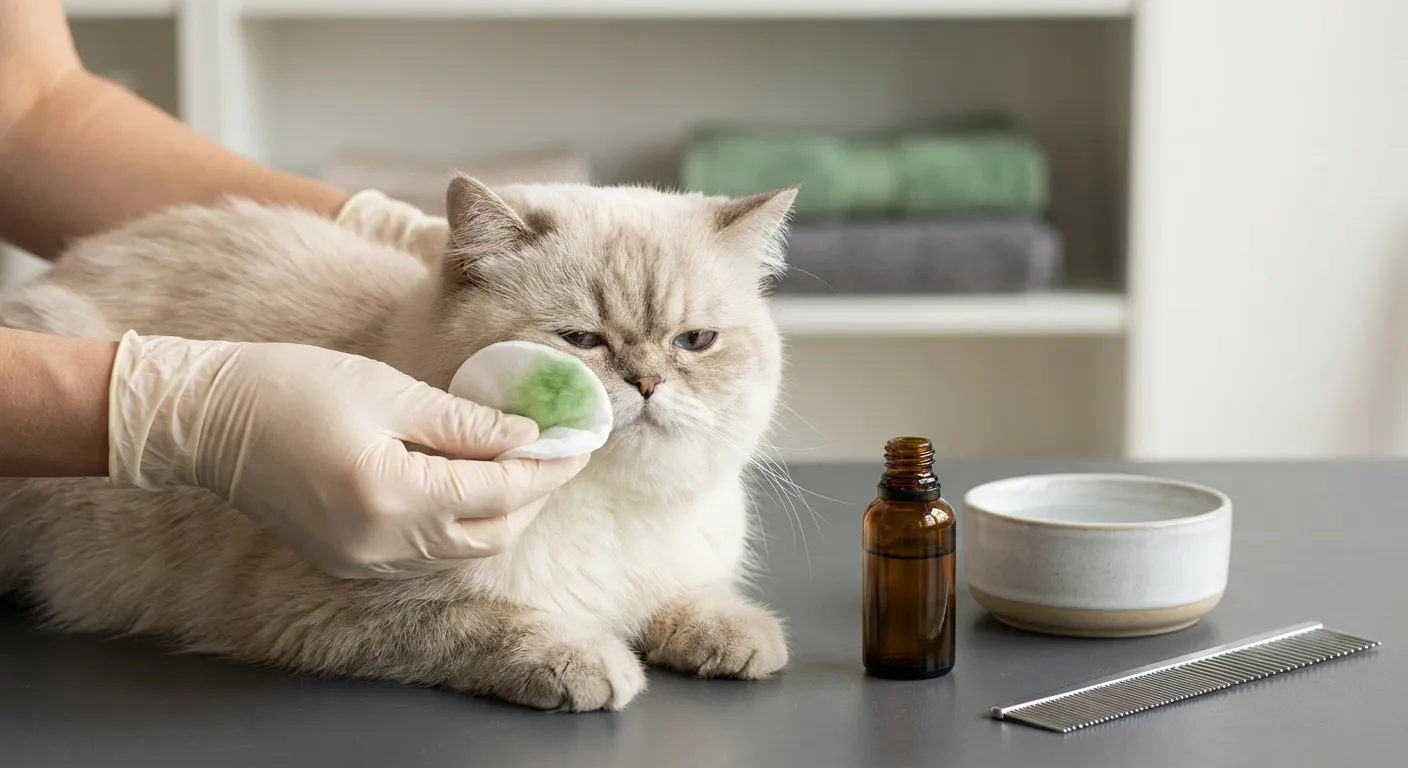
Persistent tear stains are a common concern for Persian cat owners, often leaving unsightly reddish-brown streaks that detract from their cat’s pristine appearance. While many owners resort to superficial cleaning, truly effective Persian cat tear stain solutions go beyond simple wiping. At Persian Grooming Pro, we advocate for a specialized, in-depth, and holistic approach. This method addresses the root causes, ensuring not just a clean face, but also the cat’s overall health and comfort. As the pet grooming sector expands rapidly, with owners willing to invest in premium care, understanding these advanced methods positions you to provide the best for your cherished feline.
Understanding the Root Causes of Persian Tear Stains
Before diving into solutions, it’s crucial to understand why Persians are particularly prone to tear stains. This aligns with the industry trend of “Personalized and Breed-Aware Routines.” It acknowledges that breed-specific needs require tailored approaches. Several factors contribute to this common issue.
- Brachycephalic Facial Structure: Persians have a characteristic flat face, which often leads to shallow eye sockets and sometimes blocked or underdeveloped tear ducts. Consequently, tears cannot drain properly and spill over onto the fur.
- Dietary Factors: Low-quality food, artificial additives, and even certain proteins can contribute to inflammatory responses that increase tear production or alter tear composition. This makes them more prone to staining.
- Water Quality: Tap water rich in minerals, especially iron, can react with porphyrins in tears. This often exacerbates staining.
- Allergies and Irritants: Environmental allergens such as dust, pollen, or perfumes can cause increased tearing. Moreover, food allergies can also be a culprit. Irritants like dust from certain litters can also contribute.
- Bacterial/Yeast Infections: Constant moisture around the eyes creates a breeding ground for bacteria and yeast. These microorganisms produce the reddish-brown pigment (porphyrins) responsible for the staining.
- Genetics: Some Persians are simply predisposed to tear staining due to their genetic makeup. This predisposition means they may require more diligent care.
Beyond Surface Cleaning: Holistic Strategies for Persian Cat Tear Stain Solutions
True Persian cat tear stain solutions require a multi-faceted approach. This moves beyond temporary fixes to address underlying issues. This embodies the “Wellness-Focused Grooming” trend, prioritizing the cat’s comfort and long-term health.
Dietary Adjustments & Supplements
Diet plays a significant role in your cat’s overall health and, by extension, tear stain production. Therefore, careful consideration of what your Persian consumes is paramount.
- High-Quality Diet: Switch to premium, grain-free cat food with limited ingredients. This can reduce potential allergens and improve overall health. Many owners report a significant reduction in tear stains after making these dietary changes. For example, choose formulas with novel proteins if your cat shows signs of sensitivities.
- Filtered Water: Provide filtered or distilled water to minimize mineral intake. Minerals, particularly iron, in tap water can react with tear components. This reaction can intensify the reddish-brown discoloration. A ceramic or stainless steel water fountain can also encourage hydration.
- Supplements: Probiotics can support gut health, which is linked to reduced inflammation throughout the body. Certain antioxidants, like those found in cranberry extract, may also help. Consult your veterinarian before introducing any new supplements to ensure they are appropriate for your cat’s specific needs.
Environmental Control & Hygiene
Managing your cat’s immediate environment is another critical step in preventing tear stains. A clean environment reduces irritants and potential allergens.
- Regular Eye Cleaning: Gently wipe around your Persian’s eyes daily with a soft, damp cloth or a specialized tear stain wipe designed for cats. Use a fresh part of the cloth for each eye to prevent cross-contamination. This routine helps remove excess moisture and debris before staining can set in.
- Trim Eye Area Fur: Keep the fur around the eyes trimmed short. Long fur can wick tears onto the face, creating a constantly damp area. This dampness encourages bacterial and yeast growth, leading to more pronounced staining. Professional grooming can help maintain this delicate area safely.
- Dust-Free Environment: Minimize dust in your home. Use air purifiers and vacuum regularly with a HEPA filter. Opt for dust-free litter to prevent eye irritation, which can increase tear production.
- Allergen Management: Identify and remove potential allergens. This might involve changing laundry detergents, avoiding strong perfumes, or even adjusting household cleaning products. If outdoor allergies are suspected, wipe your cat’s face and paws after they come inside.
Advanced Cleaning Techniques for Existing Stains
While prevention is key, existing tear stains often require targeted cleaning. These techniques go beyond simple wiping to gently and effectively lighten and remove discoloration.
Safe and Effective Tear Stain Removers
When selecting a product, always choose those specifically formulated for cats, ideally recommended by a veterinarian or professional groomer. Avoid products containing harsh chemicals, bleach, or hydrogen peroxide, as these can irritate your cat’s sensitive eyes and skin.
- Topical Wipes and Solutions: Many reputable brands offer gentle, pH-balanced topical solutions or pre-moistened pads. These often contain mild cleansers and sometimes natural antibacterial agents. Apply these products carefully according to the manufacturer’s instructions, ensuring no product gets directly into the eye.
- Cornstarch Paste: For stubborn stains, a paste made from cornstarch and a tiny amount of water can be applied. Allow it to dry completely, then gently brush it out. This method can help absorb moisture and gently lift stains. Always exercise extreme caution and ensure it does not enter the eye.
- Veterinary-Grade Products: In cases of severe or persistent staining, your veterinarian might recommend medicated wipes or solutions. These often contain antibiotics or antifungals to address underlying bacterial or yeast infections. Follow your vet’s instructions precisely.
The Role of Professional Grooming in Managing Tear Stains
Professional groomers possess specialized skills and tools that can significantly aid in managing Persian cat tear stain solutions. Their expertise complements your at-home efforts.
Why Professional Grooming is Essential
Groomers are trained to handle delicate areas safely and effectively. They can perform intricate trims around the eyes that might be challenging for owners. Furthermore, they can spot early signs of eye issues that an untrained eye might miss. Regular professional grooming sessions ensure consistent care.
- Precision Trimming: Groomers can expertly trim the fine hairs around the eyes and nose. This prevents tears from accumulating and staining the fur. Their specialized shears and techniques minimize the risk of injury.
- Thorough Cleaning: Professionals use appropriate, safe products and methods for deep cleaning stained areas. They can gently work to lighten and remove embedded stains without causing irritation.
- Health Assessment: During grooming, a professional can observe the condition of your cat’s eyes, skin, and coat. They might notice signs of allergies, infections, or other health concerns that warrant veterinary attention.
- Education and Guidance: Your groomer can offer personalized advice on at-home maintenance. This includes demonstrating proper cleaning techniques and recommending specific products that work best for your Persian.
When to Consult Your Veterinarian
While many Persian cat tear stain solutions can be managed at home, certain situations warrant a visit to the vet. This ensures no serious underlying health issues are overlooked.
Signs That Require Veterinary Attention
If you observe any of the following, consult your veterinarian promptly:
- Sudden Onset of Staining: A rapid increase in tear production or staining could indicate an acute issue.
- Eye Redness or Swelling: These are signs of inflammation or infection.
- Squinting or Pawing at Eyes: Your cat may be experiencing pain or irritation.
- Thick or Discolored Discharge: Green or yellow discharge often indicates a bacterial infection.
- Changes in Eye Appearance: Cloudiness, visible foreign objects, or changes in pupil size.
- Ineffectiveness of Home Care: If, despite consistent efforts, tear stains persist or worsen, professional medical evaluation is necessary. Your vet can rule out blocked tear ducts, corneal ulcers, or other medical conditions. For more information on cat eye health, consider resources like the ASPCA’s cat eye care guide.
Long-Term Prevention and Maintenance
Establishing a consistent routine is paramount for long-term success in managing tear stains. Prevention is always easier than treatment.
Creating a Proactive Care Plan
A comprehensive care plan combines daily hygiene with regular health checks and appropriate environmental adjustments.
- Consistent Daily Cleaning: Make gentle eye wiping a part of your daily grooming routine. This prevents the buildup of moisture and porphyrins.
- Regular Vet Check-ups: Schedule routine veterinary visits to monitor your cat’s overall health, including eye health. Early detection of issues can prevent severe staining.
- Maintain a Clean Environment: Continuously strive to keep your home dust-free and free of irritants. Change air filters regularly.
- Monitor Diet and Hydration: Regularly assess your cat’s diet for effectiveness. Ensure they always have access to fresh, filtered water.
- Seasonal Adjustments: Be mindful of seasonal allergies. You might need to increase cleaning frequency during pollen seasons.
- Patience and Persistence: Managing tear stains is often a long-term commitment. Consistency and patience will yield the best results for effective Persian cat tear stain solutions.
Conclusion
Unmasking the mystery of Persian cat tear stains involves understanding their unique predispositions and adopting a holistic approach to care. From dietary adjustments and environmental control to diligent cleaning and professional grooming, a multi-faceted strategy offers the most effective Persian cat tear stain solutions. By addressing the root causes and committing to a consistent routine, you can ensure your beloved Persian not only looks their best but also enjoys optimal health and comfort. At Persian Grooming Pro, we believe in empowering owners with the knowledge to provide superior care, fostering a brighter, stain-free future for your cherished feline companion. For further insights into feline health and grooming, consider reputable sources like the American Animal Hospital Association (AAHA).
FAQ: What causes tear stains on Persian cats?
Persian cats often develop tear stains due to their unique brachycephalic facial structure, which can lead to shallow eye sockets and improper tear drainage. Other factors include diet, water quality, allergies, environmental irritants, and bacterial or yeast infections.
FAQ: How can I remove existing reddish-brown stains?
Existing discoloration can be addressed with gentle topical wipes or solutions specifically designed for cats. Some owners use a cornstarch paste carefully applied to the stained area. For stubborn cases, or if infection is suspected, your veterinarian may recommend medicated products.
FAQ: Is diet important for managing tear staining?
Yes, diet is very important. Feeding a high-quality, grain-free diet with limited ingredients can reduce inflammatory responses that contribute to increased tearing. Using filtered or distilled water instead of tap water can also help minimize mineral intake that exacerbates staining.
FAQ: When should I take my Persian to the vet for tear stains?
You should consult your veterinarian if you notice a sudden increase in staining, eye redness, swelling, discharge, squinting, or if home remedies are not effective. These could be signs of an underlying medical condition requiring professional diagnosis and treatment.
FAQ: Can professional grooming help with my cat’s eye area?
Absolutely. Professional groomers can safely and precisely trim the delicate fur around your Persian’s eyes, preventing tears from wicking onto the face. They also use appropriate cleaning techniques and can offer valuable advice for at-home maintenance.

