
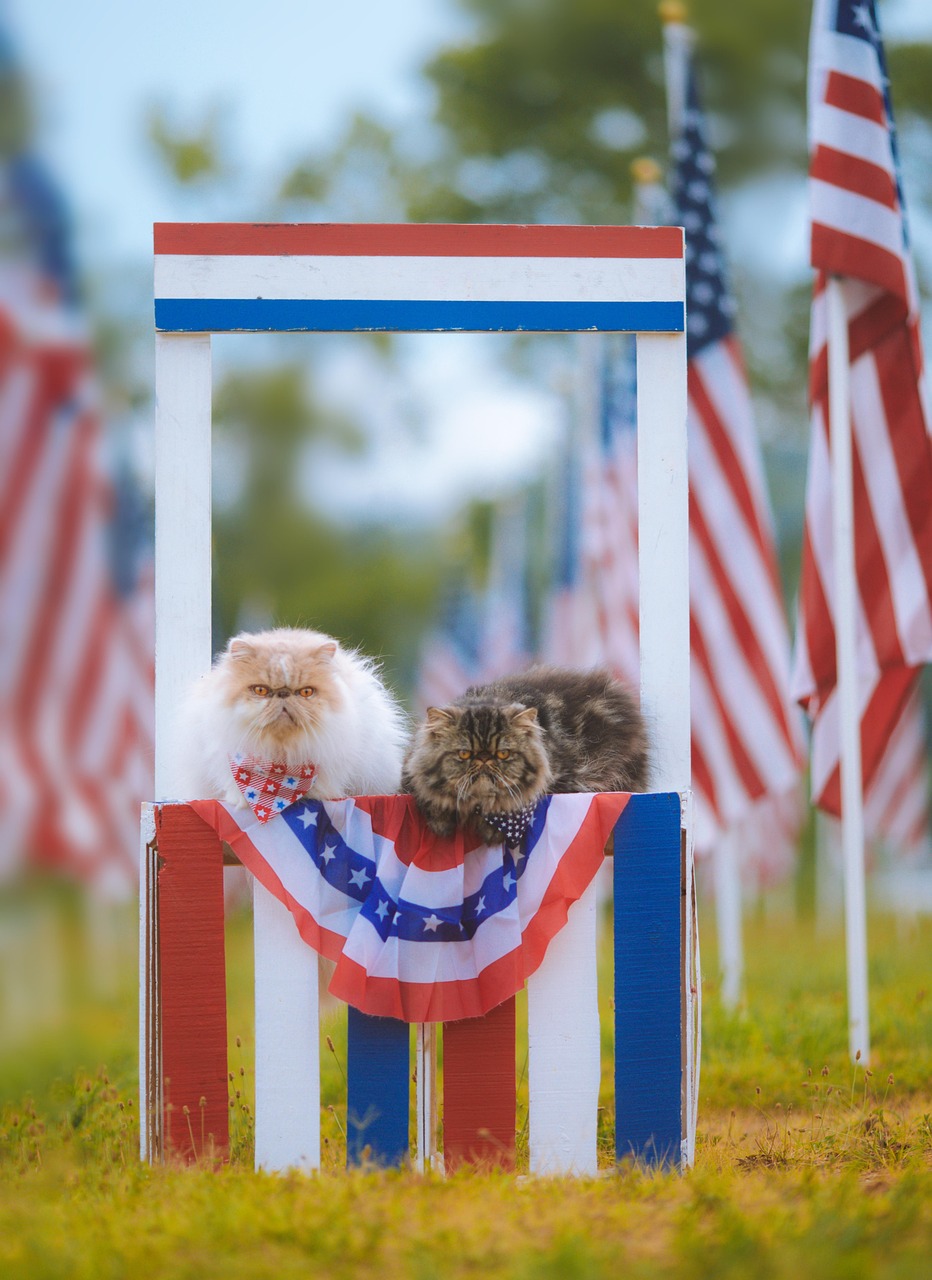
Say Goodbye to Persian Cat Tear Stains and Keep Your Kitty’s Eyes Sparkling
If you own a Persian cat, you know how charming and cuddly these felines can be. With their luxurious fur and sweet temperament, Persian cats make wonderful companions. However, one common issue that many Persian cat owners face is tear stains. These unsightly marks around the eyes can detract from your cat’s beauty and can also indicate underlying health issues. In this article, we will explore the causes of Persian cat tear stains and provide you with effective solutions to keep your kitty’s eyes sparkling.
What Causes Persian Cat Tear Stains?
Tear stains are common in Persian cats due to their distinctive facial structure. The flat faces and prominent eyes of Persian cats can cause tears to overflow and stain the fur around their eyes. In addition, tear stains can be exacerbated by a variety of factors, including allergies, eye infection, blocked tear ducts, or excessive tearing caused by brachycephalic syndrome.
Effective Solutions for Persian Cat Tear Stains
1. Regular Grooming
One of the most important steps in preventing and treating tear stains in Persian cats is regular grooming. Gently wipe your cat’s eyes with a clean, damp cloth daily to remove any debris or discharge. Be sure to use a separate cloth for each eye to prevent spreading infection. Trim any long fur around your cat’s eyes to help keep the area clean and reduce the risk of tear stains.
2. Maintaining Eye Health
Regular veterinary check-ups are essential for maintaining the overall health of your Persian cat’s eyes. Your vet can check for any underlying health issues that may be causing tear stains and recommend appropriate treatment. Additionally, your vet may prescribe eye drops or ointments to help reduce tear production and prevent tear stains.
3. Diet and Nutrition
A balanced diet is crucial for maintaining your Persian cat’s overall health, including their eye health. Make sure your cat’s food is high in quality proteins and essential nutrients to support their immune system and prevent allergies that can lead to excessive tearing. Consult with your vet to choose a diet that is tailored to your cat’s specific needs.
4. Environmental Factors
Environmental factors, such as dust, pollen, and household chemicals, can irritate your cat’s eyes and contribute to tear stains. Keep your home clean and dust-free to minimize allergens that can trigger tearing. Consider using a humidifier to maintain optimal humidity levels in your home, as dry air can irritate your cat’s eyes and increase tear production.
FAQs about Persian Cat Tear Stains
Q: Are tear stains in Persian cats harmful?
A: While tear stains themselves are not harmful, they can indicate underlying health issues that require attention. It is important to consult with your vet if you notice persistent tear stains or changes in your cat’s eye health.
Q: Can tear stains be prevented?
A: While tear stains may be difficult to prevent entirely in Persian cats, regular grooming, maintaining eye health, and addressing any underlying health issues can help reduce their appearance.
Q: Are there any home remedies for treating tear stains in Persian cats?
A: There are several home remedies that may help reduce tear stains in Persian cats, such as using a saline solution to clean your cat’s eyes or adding apple cider vinegar to their water to help balance pH levels. However, it is important to consult with your vet before trying any home remedies to ensure they are safe and effective for your cat.
Conclusion
By following these tips and guidelines, you can effectively manage and prevent tear stains in your Persian cat, keeping their eyes sparkling and healthy. Remember to consult with your vet if you have any concerns about your cat’s eye health or if you notice persistent tear stains. With proper care and attention, your Persian cat can enjoy a happy and tear-stain-free life.

