
Persian cats are renowned for their magnificent, long coats, but this beauty comes with a responsibility: preventing matting. Mats are dense tangles of fur that can be painful, trap dirt, and lead to skin infections if left untreated. Learning how to prevent Persian cat matting is crucial for your feline friend’s comfort and health. Regular grooming is not just about aesthetics; it’s a vital part of their overall well-being. By understanding the causes of matting and implementing a consistent preventative routine, you can keep your Persian’s coat silky and free of painful knots.
Daily Brushing to Prevent Persian Cat Matting
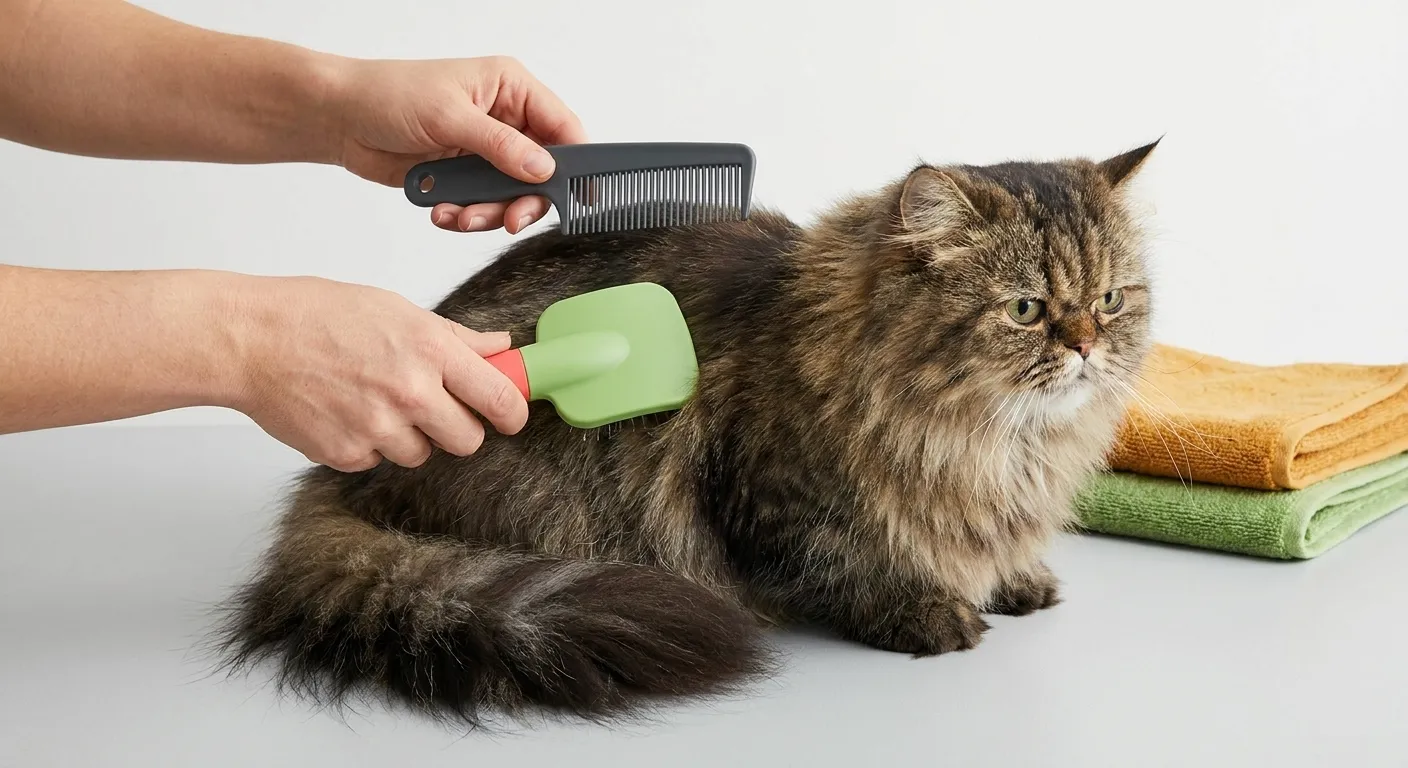
The cornerstone of mat prevention is daily brushing. This isn’t just a quick run-through; it requires patience and the right tools. Start with a wide-toothed comb to gently untangle any loose knots, then follow with a slicker brush to remove dead hair and smooth the coat. Pay special attention to areas prone to matting, such as behind the ears, armpits, and the belly. These spots often get overlooked but are prime locations for mats to form. Consistency is key; even a few minutes each day can make a significant difference in keeping the coat manageable and preventing major issues.
Strategic Bathing and Drying Techniques
While regular brushing is paramount, proper bathing also plays a role in preventing matting. Use a high-quality shampoo and conditioner specifically designed for long-haired cats to keep the fur soft and less prone to tangling. The most critical step after a bath is thorough drying. Residual moisture can cause fur to clump together, leading to mats. Use a low-heat pet dryer, brushing the coat as you dry to ensure every layer is completely dry and smooth. Avoid air-drying, especially for dense Persian coats, as this almost guarantees mat formation. By combining daily brushing with careful bathing and drying, you can effectively prevent matting and ensure your Persian cat remains comfortable and beautiful.
Understanding Why Persian Cat Coats Mat So Easily
Persian cats possess a unique double coat, consisting of a dense undercoat and a long, flowing topcoat. This luxurious combination, while beautiful, is highly susceptible to tangles. Furthermore, their relatively sedentary lifestyle compared to other breeds means they don’t always self-groom as effectively. Environmental factors also contribute; for instance, dust, debris, and even static electricity can cause individual hairs to intertwine. Therefore, understanding these inherent characteristics is the first step in formulating an effective strategy to keep their fur pristine. Recognizing these challenges helps owners approach grooming with the necessary diligence.
The Role of Diet and Hydration in Coat Health
Surprisingly, your Persian cat’s diet plays a significant role in maintaining coat health and preventing tangles. A high-quality diet rich in essential fatty acids, such as Omega-3 and Omega-6, promotes a healthy, strong coat that is less prone to breakage and matting. Conversely, a poor diet can lead to dry, brittle fur that tangles easily. Ensure your cat has constant access to fresh water, as proper hydration also contributes to skin and coat vitality. Consult your veterinarian for specific dietary recommendations tailored to your Persian’s needs. Indeed, nutrition is an often-underestimated aspect of grooming.
Essential Grooming Tools for Your Persian Cat
Having the right tools is non-negotiable for effective grooming. Firstly, a wide-toothed metal comb is essential for initial detangling. Secondly, a slicker brush with fine, bent wires efficiently removes loose hair and smooths the coat. Additionally, a de-matting comb or rake can be invaluable for carefully addressing small, emerging mats before they become severe. For bathing, a good quality pet-specific shampoo and conditioner are vital. Finally, a low-heat pet hair dryer is crucial for thorough drying. Investing in these tools will significantly aid your efforts to prevent Persian cat matting.
How to Introduce Grooming to Your Persian Kitten
Starting grooming early is paramount. Begin by gently handling your Persian kitten, familiarizing them with touches to their paws, ears, and belly. Introduce the brush and comb slowly, allowing them to sniff and investigate. Keep initial sessions short and positive, using treats and praise. Gradually increase the duration as your kitten becomes more comfortable. This positive reinforcement creates a lifelong association between grooming and pleasant experiences. Consequently, this early training makes preventing future mat issues much easier. Early socialization to grooming tools and routines is a gift you give your cat.
Advanced Techniques for Managing Difficult Areas
Certain areas on a Persian cat are notorious for developing mats. The
Further reading: More from Persian Grooming Pro

