
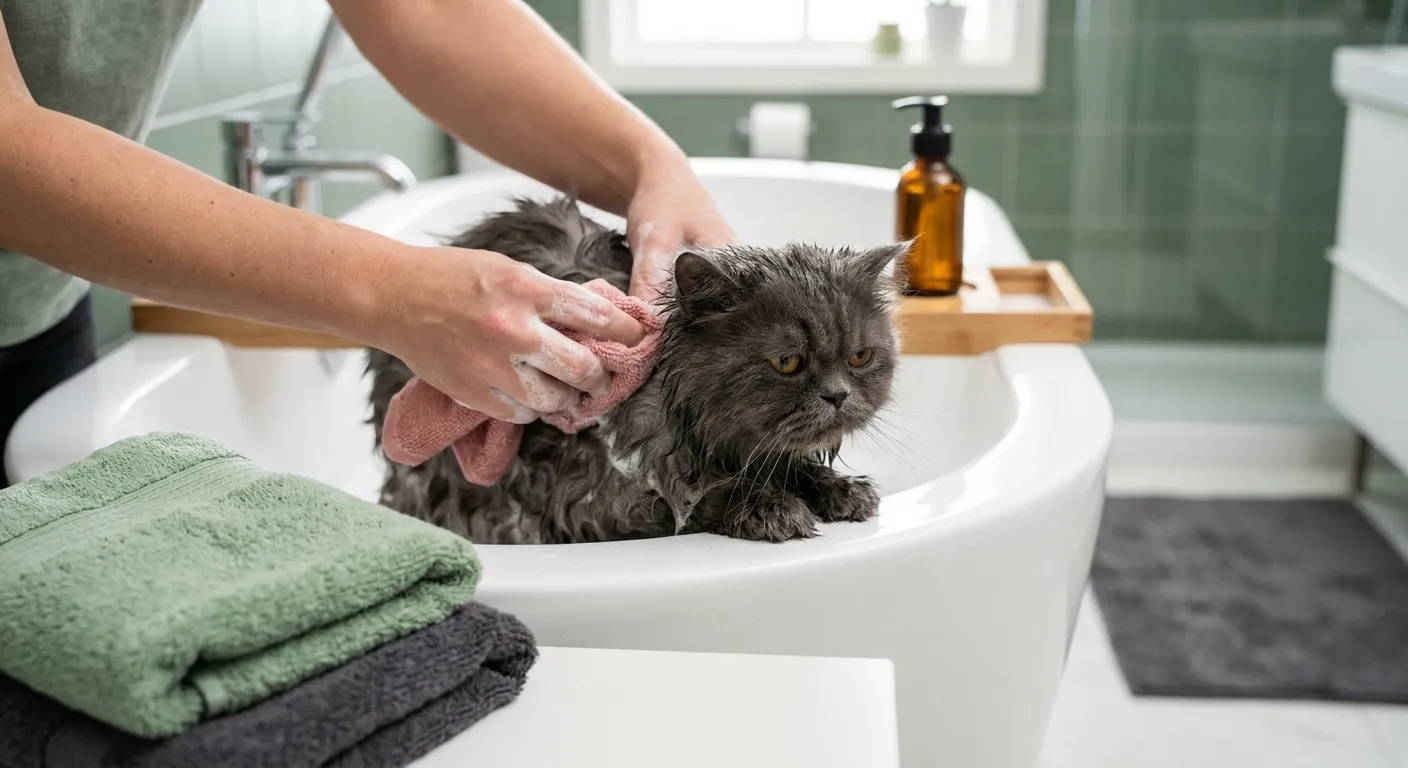
Bathing a Persian cat can seem like a daunting task, given their luxurious and often dense coats. However, regular baths are a crucial component of their grooming routine. They help to remove dirt, excess oil, and loose fur. This, in turn, prevents matting and promotes skin health. Mastering effective bathing Persian cat techniques can transform a potentially stressful experience into a calm, even enjoyable, part of your cat’s care. With the right approach and preparation, you can ensure your Persian emerges clean, fresh, and happy.
Preparation is Key for a Smooth Bath
Before you even think about water, thorough preparation is vital. First, brush your Persian cat extensively to remove any tangles or mats. Notably, wetting matted fur will only tighten the knots and make them impossible to remove. Consequently, this step saves significant time and discomfort later. Gather all your supplies beforehand. You will need cat-specific shampoo and conditioner, several towels, a non-slip mat for the tub or sink, and treats for positive reinforcement. Furthermore, ensure the water temperature is comfortably lukewarm. The bathroom should also be warm to prevent chills. Having everything within reach minimizes stress for both you and your cat. Ultimately, it makes the process much smoother. A calm environment sets the stage for successful bathing Persian cat techniques.
Gentle Washing and Thorough Rinsing
When it’s time to wash, introduce your cat to the water slowly and calmly. Use a handheld sprayer on a low setting, or a cup, to wet their coat gradually. Always avoid their face. Apply a small amount of diluted cat shampoo. Gently massage it into the fur, working from the neck down to the tail. Be extra careful around the eyes and ears. The most critical step is rinsing. Persian coats are dense. Therefore, any shampoo residue left behind can irritate the skin or attract dirt, leading to new problems. Rinse thoroughly until the water runs clear. Follow with a conditioner. Let it sit as directed, and rinse again with equal diligence. After rinsing, gently squeeze excess water from the coat. Wrap your cat in a warm towel. Begin the drying process promptly to prevent chills and matting.
Understanding Your Persian Cat’s Grooming Needs
Persian cats are renowned for their long, flowing coats. This beautiful fur, however, requires diligent maintenance. Regular grooming is not merely for aesthetics; it is essential for their health. Without proper care, their dense undercoat can quickly become matted. Mats are not just unsightly; they can pull on the skin, causing pain and even skin infections. Moreover, their unique facial structure, known as brachycephaly, often leads to tear staining. This requires gentle cleaning around the eyes. Understanding these specific needs helps you appreciate why consistent grooming, including proper bathing Persian cat techniques, is so crucial.
Choosing the Right Products for Your Persian
Selecting appropriate grooming products is paramount. Not all shampoos are created equal, especially for cats. Always opt for cat-specific shampoos. Human shampoos have different pH levels and can irritate your cat’s delicate skin. Look for shampoos formulated for long-haired breeds or those that address specific concerns like shedding or sensitive skin. Hypoallergenic options are also available. Similarly, a good quality cat conditioner will help detangle the fur and add moisture, making the coat softer and easier to manage post-bath. Avoid products with strong fragrances or harsh chemicals. These can be overwhelming for your cat’s sensitive nose and skin. For example, some owners prefer tearless formulas for extra protection around the eyes. Consult your veterinarian for specific product recommendations if your cat has skin conditions or allergies. This ensures you are using the best possible products for effective bathing Persian cat techniques.
Creating a Positive Bathing Experience
Cats are creatures of habit and can be sensitive to new experiences. Introducing bathing at a young age can help them acclimate. Even if your Persian is older, a calm and patient approach is vital. Start with short, positive interactions. For instance, let your cat explore the dry tub with treats. Gradually introduce water, perhaps just wetting their paws initially. Positive reinforcement is key. Offer treats and praise throughout the process. Keep your voice calm and soothing. Avoid sudden movements or loud noises. Remember, a fearful cat is more likely to scratch or resist. Consequently, a positive experience makes future baths much easier. This gentle approach is fundamental to mastering bathing Persian cat techniques successfully.
The Importance of Pre-Bath Brushing
As mentioned, thorough brushing before a bath is non-negotiable for Persian cats. Their double coat consists of a long outer layer and a dense, woolly undercoat. This combination is highly prone to tangles and mats. A slicker brush and a wide-toothed comb are indispensable tools. Start by gently working through the coat, section by section. Pay particular attention to areas prone to matting, such as behind the ears, under the legs, and around the tail. If you encounter a mat, try to gently tease it apart with your fingers or the comb. If a mat is too tight, it might need to be carefully trimmed with blunt-nosed scissors. However, exercise extreme caution to avoid cutting the skin. A well-brushed coat allows water and shampoo to penetrate evenly. It also ensures proper rinsing. This step significantly reduces drying time and prevents mats from tightening further during the bath. This meticulous preparation is a cornerstone of effective bathing Persian cat techniques.
Step-by-Step Bathing Process
Once preparations are complete, the actual bathing can begin. Here’s a detailed guide:
- Set up the Bathing Area: Place a non-slip mat in the sink or tub. Ensure all supplies are within arm’s reach. The water should be lukewarm.
- Introduce Your Cat: Gently place your cat in the tub. Speak in a soothing voice. Offer a treat.
- Wet the Coat: Use a handheld sprayer or cup to slowly wet the coat. Start from the neck down, avoiding the face.
- Apply Shampoo: Dilute cat shampoo with a bit of water. Apply it evenly, gently massaging it into the fur. Work up a lather, but avoid vigorous scrubbing.
- Rinse Thoroughly: This is critical. Rinse until absolutely no suds remain. Pay attention to the undercoat. Residue can lead to skin irritation.
- Apply Conditioner: If using conditioner, apply it as directed. Let it sit for the recommended time.
- Rinse Conditioner: Rinse the conditioner out completely, just as thoroughly as the shampoo.
- Squeeze Excess Water: Gently squeeze as much water as possible from the coat.
- Towel Dry: Wrap your cat in a large, warm towel. Gently pat and blot the fur. Do not rub vigorously, as this can cause tangles.
Following these steps will make bathing Persian cat techniques more manageable and effective.
Effective Drying Techniques for Persian Cats
Drying a Persian cat is arguably as important as the bath itself. Improper drying can lead to chills, skin issues, and severe matting. After towel drying, you have a few options. Many owners use a pet-specific blow dryer on a low, cool setting. Human hair dryers can get too hot and burn your cat’s skin. Always keep the dryer moving and hold it a safe distance from the fur. Simultaneously, use a slicker brush to gently brush the fur as it dries. This helps prevent tangles and ensures the coat dries evenly and fluffy. Another option is allowing your cat to air dry in a warm, draft-free room, but this is often not sufficient for a Persian’s dense coat. Air drying can take a very long time, increasing the risk of chills and matting. If air drying, you must still brush frequently to prevent mats. Consider using a “happy hoodie” to help muffle the sound of the dryer. This can significantly reduce stress for your feline companion. Completing the drying process fully is an essential part of successful bathing Persian cat techniques.
Addressing Common Bathing Challenges
Even with the best intentions, challenges can arise. Some cats simply dislike water. For these felines, short, frequent sessions might be better than infrequent, long ones. If your cat becomes overly stressed, take a break. Never force your cat into the water, as this can create a negative association. Consider getting assistance from another person to hold and soothe your cat during the bath. For example, one person can gently hold the cat while the other washes. If matting is a persistent issue, consider professional grooming between home baths. They can address severe mats safely. Furthermore, persistent tear stains around the eyes require daily gentle wiping with a damp cloth or a vet-approved eye cleaner. These proactive steps complement your bathing efforts, ensuring comprehensive care for your Persian. Remember, patience and consistency are your greatest allies when practicing bathing Persian cat techniques.
Post-Bath Care and Routine Maintenance
Once your Persian is clean and dry, it’s time for some post-bath pampering. Reward your cat with treats, praise, and extra playtime. This reinforces the positive experience. Continue with regular brushing between baths to keep the coat free of tangles and mats. The frequency of baths will depend on your cat’s lifestyle and coat condition. Some Persian cats may need baths as often as every 2-4 weeks, while others might be fine with monthly or bi-monthly sessions. Monitor your cat’s coat and skin. Look for any signs of dryness, flakiness, or irritation. If you notice anything unusual, consult your veterinarian. Maintaining a consistent grooming schedule, including regular baths, will contribute significantly to your Persian’s overall health and well-being. For more information on cat health, visit ASPCA Cat Care. For specific grooming tools, explore resources like PetMD’s Best Cat Grooming Tools. Ultimately, mastering bathing Persian cat techniques means understanding and implementing a holistic grooming routine.
Conclusion
Bathing your Persian cat doesn’t have to be a battle. By understanding their unique needs, preparing thoroughly, using appropriate products, and employing gentle, consistent techniques, you can transform bath time into a calm and beneficial experience. Regular baths are vital for maintaining the health and beauty of your Persian’s magnificent coat. They prevent mats, promote healthy skin, and reduce shedding. With patience and practice, you and your feline companion can look forward to a clean, comfortable, and stress-free grooming routine. Embrace these bathing Persian cat techniques to ensure your beloved pet remains happy, healthy, and impeccably groomed.
FAQ: How often should I bathe my Persian cat?
The frequency depends on your cat’s lifestyle and coat condition. Generally, most Persian cats benefit from a bath every 4-6 weeks to prevent matting and maintain skin health. Some may require more frequent washing if they get dirty often.
FAQ: What kind of shampoo is best for a long-haired cat?
Always use a cat-specific shampoo formulated for long-haired breeds. Look for gentle, pH-balanced formulas that are moisturizing and free from harsh chemicals or strong fragrances. Hypoallergenic options are also excellent choices.
FAQ: My cat hates water. How can I make bath time easier?
Start slowly with positive reinforcement. Introduce the tub dry with treats, then gradually add a small amount of water. Keep sessions short and use a calm, soothing voice. Never force your cat, as this can increase fear. Consider using a

