
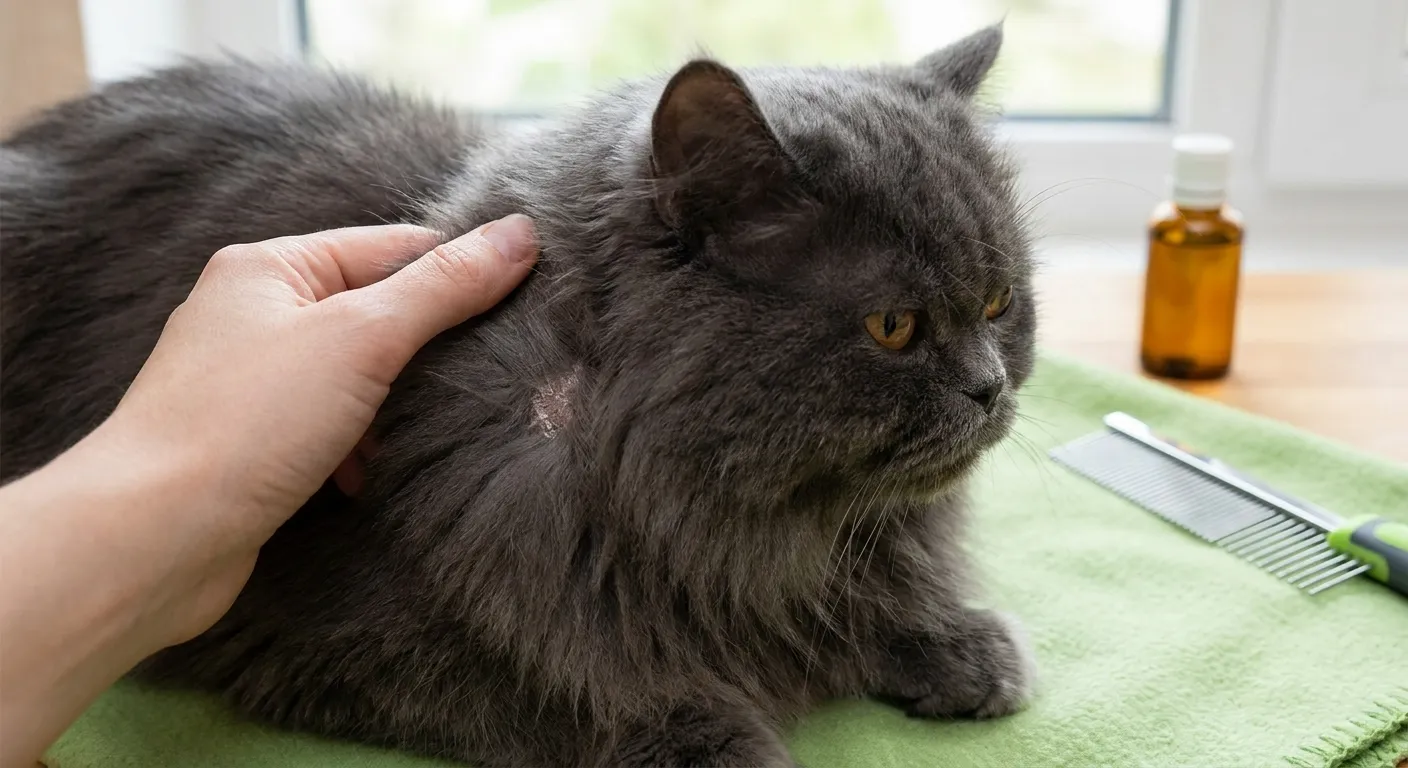
Persian cats are cherished for their luxurious coats, but their dense fur can sometimes hide underlying skin problems. Many common Persian cat skin issues can be prevented or significantly alleviated with proper, consistent grooming practices. Neglecting grooming can lead to a host of dermatological concerns, from irritating hot spots to persistent fungal infections. Understanding the link between meticulous grooming and skin health is crucial for every Persian owner. Indeed, grooming positions itself as a proactive defense against discomfort and disease for your beloved feline.
Mats and Skin Irritation: Addressing Persian Cat Skin Issues
One of the most frequent problems stemming from inadequate grooming is matting. Mats are not just unsightly tangles; they pull on the skin, causing pain and creating an ideal breeding ground for bacteria and yeast. This constant pulling can lead to skin irritation, redness, and even open sores beneath the mats. Regular, thorough brushing is the primary solution. By diligently removing loose fur and preventing mats, you eliminate the physical stress on the skin and allow it to breathe. Addressing mats promptly can prevent severe discomfort and infection, which are common Persian cat skin issues related to coat neglect.
Furthermore, matted fur restricts air circulation to the skin. This lack of airflow traps moisture and heat, creating a perfect environment for bacterial growth. Consequently, skin beneath mats can become inflamed, itchy, and painful. Owners often notice their Persian cats scratching excessively in these areas. This scratching, in turn, can break the skin, introducing further opportunities for infection. Therefore, consistent daily brushing, especially in areas prone to matting like behind the ears, under the legs, and around the tail, is essential. A wide-toothed comb followed by a slicker brush works best for penetrating the dense undercoat.
Preventing Dandruff and Fungal Infections
Persian cats are also prone to dandruff (seborrhea) due to their oily skin and dense coats, which can trap dead skin cells. Proper bathing with a cat-specific, moisturizing shampoo and conditioner can help manage oil production and remove flakes. Thorough rinsing is critical to prevent residue buildup, which can exacerbate skin problems. Furthermore, the warm, moist environment created by matted or damp fur is perfect for the proliferation of fungal infections like ringworm. Ensuring the coat is completely dry after baths and keeping it tangle-free through regular grooming significantly reduces the risk of such infections. By maintaining excellent coat hygiene, you not only keep your Persian looking splendid but also safeguard them from numerous Persian cat skin issues that could compromise their comfort and health.
Seborrhea can manifest as either dry, flaky skin or greasy, oily skin with a distinct odor. Both forms require attention. For instance, medicated shampoos, recommended by a veterinarian, can be highly effective in managing severe cases. After bathing, it’s vital to dry your Persian cat completely using a low-heat hairdryer. Any residual dampness can encourage the growth of yeast and fungi. Moreover, regular grooming sessions allow you to closely inspect your cat’s skin for any early signs of flaking, redness, or unusual odors. Early detection is key to preventing minor issues from escalating into more serious Persian cat skin problems.
Understanding Hot Spots and Allergies
Hot spots, medically known as acute moist dermatitis, are another common dermatological concern for Persian cats. These are localized, red, moist, painful skin lesions that appear suddenly and can spread rapidly. They are often triggered by excessive licking, chewing, or scratching, which can be a response to underlying irritations such as flea bites, allergies, or even matted fur. Since Persian cats have such dense coats, hot spots can go unnoticed until they become quite severe. Regular grooming helps in early detection, allowing for prompt treatment.
Allergies, whether environmental, food-related, or flea-induced, can also manifest as significant Persian cat skin issues. These allergies often cause intense itching, leading to self-trauma and secondary infections. While grooming cannot cure allergies, it plays a vital role in managing symptoms. For example, regular bathing can wash away environmental allergens from the coat, reducing skin irritation. Furthermore, consistent brushing helps distribute natural skin oils, which can improve the skin barrier function. If you suspect allergies, consulting with your veterinarian is crucial for diagnosis and treatment. However, maintaining a clean, healthy coat through grooming supports overall skin resilience.
Parasite Prevention and Skin Health
Parasites, such as fleas, ticks, and mites, are a frequent cause of skin irritation and can exacerbate existing Persian cat skin issues. Flea bite dermatitis, for instance, is a common allergic reaction to flea saliva, causing intense itching and skin inflammation. Ticks can transmit diseases and cause localized irritation where they attach. Mites, particularly ear mites, can cause severe itching and discomfort. A comprehensive grooming routine includes regular inspection for these unwelcome guests.
During daily brushing, carefully examine your Persian’s coat and skin. Look for flea dirt (small black specks), live fleas, or any signs of ticks. Regular use of veterinarian-approved flea and tick prevention products is paramount. Furthermore, maintaining a clean living environment helps reduce parasite populations. If you find parasites, consult your vet for the most effective treatment plan. Preventing infestations not only protects your cat from itchy bites but also significantly reduces the risk of secondary skin infections, which are common Persian cat skin issues linked to parasites.
The Role of Nutrition in Skin and Coat Health
While external grooming is essential, internal health also profoundly impacts the condition of your Persian cat’s skin and coat. A high-quality diet, rich in essential fatty acids like Omega-3 and Omega-6, is fundamental. These nutrients support skin barrier function, reduce inflammation, and promote a healthy, lustrous coat. Conversely, a poor diet can lead to dull fur, excessive shedding, dry or oily skin, and increased susceptibility to various Persian cat skin issues.
Look for cat foods that list real meat as the primary ingredient and are formulated for feline health. Supplements, such as fish oil, can also be beneficial, but always consult your veterinarian before adding any supplements to your cat’s diet. Proper hydration is another often-overlooked aspect of skin health. Ensure your Persian always has access to fresh, clean water. Good nutrition and hydration work synergistically with grooming to create an optimal environment for healthy skin and a beautiful coat, preventing many potential Persian cat skin problems.
Specialized Grooming Techniques for Persian Cats
Due to their unique coat, Persian cats require specialized grooming techniques. Beyond daily brushing, regular bathing is a necessity, typically every 4-6 weeks, or more frequently if your cat is prone to oiliness or matting. Use a gentle, pH-balanced cat shampoo and conditioner. Pay close attention to thoroughly rinsing out all product to prevent residue buildup, which can irritate the skin. Drying is equally important; a cool-setting pet dryer can help ensure the coat is completely dry, preventing fungal growth.
Professional grooming services can also be invaluable, especially for maintaining a Persian’s coat. A professional groomer can tackle stubborn mats, provide hygienic clips around the sanitary areas, and offer advice on at-home maintenance. They can also spot early signs of Persian cat skin issues that you might miss. Moreover, regular nail trims are crucial to prevent ingrown nails and reduce the risk of your cat scratching themselves and causing skin lesions. Finally, gentle cleaning of the eyes and ears helps prevent tear staining and ear infections, further contributing to overall skin health.
The Connection Between Stress and Skin Conditions
It is important to recognize that stress can also manifest as physical symptoms, including various Persian cat skin issues. Just like humans, cats can react to environmental changes, new pets, or even changes in routine by over-grooming, developing anxiety-related alopecia (hair loss), or exacerbating existing skin conditions. Excessive licking and chewing can create hot spots or lead to bald patches.
Creating a stable, predictable, and enriching environment for your Persian cat can help minimize stress. Provide plenty of vertical space, scratching posts, and interactive toys. Pheromone diffusers can also be helpful in calming anxious cats. Furthermore, making grooming a positive, calm experience from a young age can reduce stress associated with the process itself. If you notice your cat exhibiting stress-related behaviors that impact their skin, consult with your veterinarian. Addressing the root cause of stress can significantly improve their skin health and prevent related Persian cat skin problems.
When to Seek Veterinary Care for Skin Concerns
While proper grooming can prevent and manage many Persian cat skin issues, it’s crucial to know when to seek professional veterinary attention. Any persistent skin irritation, redness, scaling, hair loss, open sores, or unusual odors warrant a trip to the vet. Changes in your cat’s behavior, such as excessive scratching, licking, or lethargy, can also indicate an underlying skin problem that requires medical diagnosis and treatment.
Your veterinarian can perform diagnostic tests, such as skin scrapings, fungal cultures, or allergy tests, to identify the exact cause of the skin issue. They can then prescribe appropriate medications, medicated shampoos, or dietary changes. Early intervention is key to preventing more severe complications and ensuring your Persian cat’s comfort and well-being. Never attempt to self-diagnose or treat serious skin conditions without professional guidance. Your vet is your best partner in managing complex Persian cat skin issues.
Conclusion
In conclusion, the health and beauty of your Persian cat’s coat and skin are directly linked to consistent and proper grooming. From preventing painful mats and irritating hot spots to warding off fungal infections and managing allergies, meticulous care is your best defense against common Persian cat skin issues. Regular brushing, appropriate bathing, a nutritious diet, parasite prevention, and a stress-free environment all contribute to a healthy feline. By dedicating time and effort to these practices, you ensure your beloved Persian not only looks magnificent but also enjoys a life free from the discomfort of skin ailments. Remember, a healthy coat is a reflection of a healthy cat. The ASPCA offers further general cat grooming tips. For specific Persian cat skin issues, VCA Animal Hospitals provide insights into feline dermatological conditions. Prioritize your Persian’s skin health; they will thank you for it with purrs and affection.
FAQ: What causes matted fur in Persian cats?
Matted fur in Persian cats is primarily caused by infrequent or inadequate brushing. Their long, dense coats easily tangle, especially if loose hair is not regularly removed. Moisture, friction, and lack of grooming contribute to these painful tangles.
FAQ: How can I prevent dandruff on my Persian cat?
To prevent dandruff, ensure regular bathing with a moisturizing, cat-specific shampoo. Thorough rinsing is vital. A high-quality diet rich in omega fatty acids also supports skin health, reducing flakiness. Consistent brushing helps distribute natural oils.
FAQ: Are hot spots common in Persian cats?
Yes, hot spots can be common in Persian cats, often triggered by excessive licking or scratching due to allergies, flea bites, or underlying skin irritations. Their dense coats can hide these lesions until they become severe.
FAQ: What role does diet play in my cat’s skin health?
A balanced, high-quality diet is crucial for your cat’s skin health. Essential fatty acids, like Omega-3 and Omega-6, found in premium cat foods, support the skin barrier and coat quality. Poor nutrition can lead to dry skin, excessive shedding, and other dermatological problems.
FAQ: When should I take my Persian cat to the vet for a skin problem?
You should take your Persian cat to the vet if you notice persistent skin irritation, redness, scaling, hair loss, open sores, or unusual odors. Any significant change in their scratching or licking behavior also warrants a veterinary visit.

