
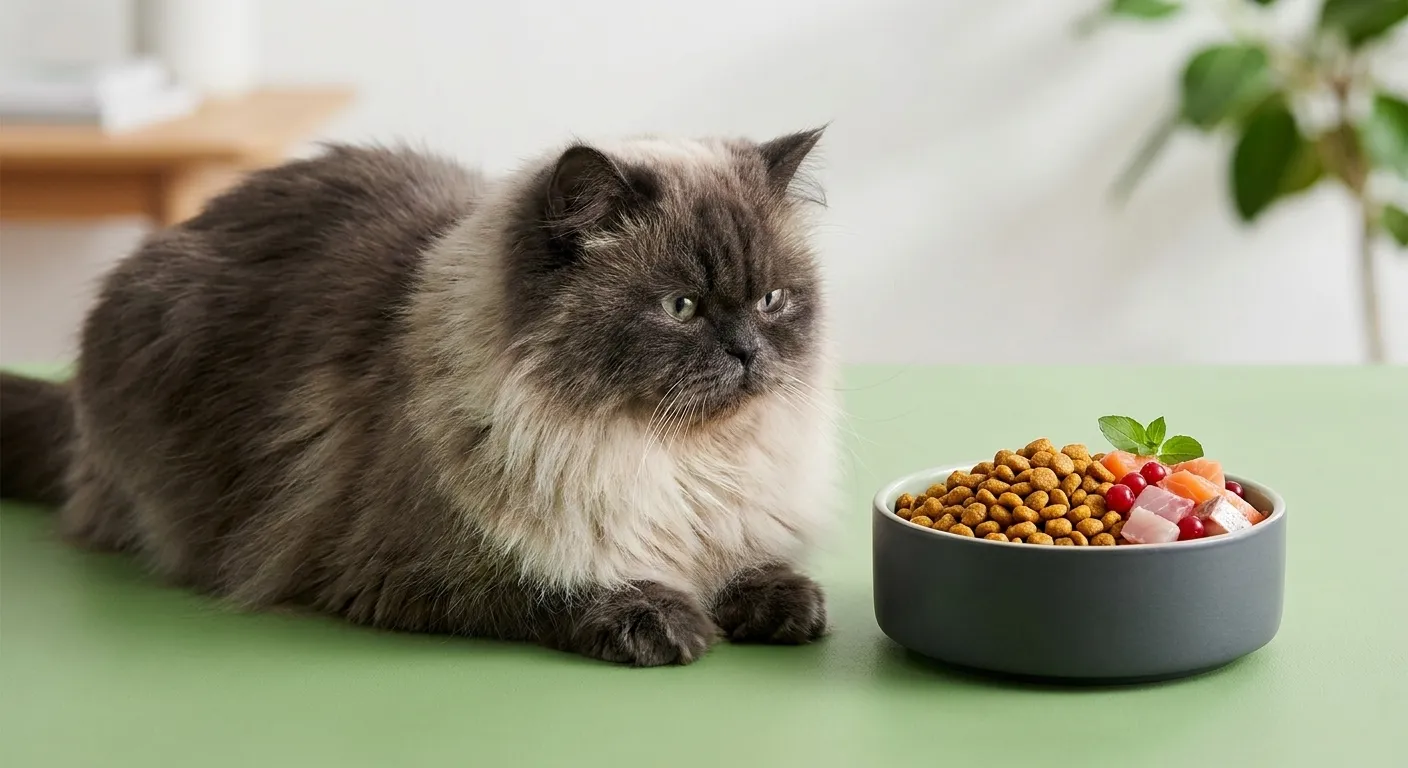
A Persian cat’s magnificent coat is often seen as a hallmark of beauty, but its luster and health are deeply rooted in what goes into your cat’s bowl. There’s a profound link between
nutrition healthy Persian coat
. A diet lacking essential nutrients can manifest as a dull, brittle, or excessively shedding coat, and even contribute to skin problems and matting. Understanding how diet impacts fur quality empowers owners to make informed choices that support their Persian’s overall well-being and maintain their iconic luxurious appearance. Indeed, a well-fed Persian is a beautiful Persian.
Essential Nutrients for a Lustrous Coat
Just like human hair, a cat’s coat requires specific building blocks to thrive. Protein is paramount; high-quality animal-based protein provides the amino acids necessary for strong hair growth. For instance, look for cat foods where meat is the first ingredient. Essential fatty acids, particularly Omega-3 and Omega-6, are also critical. These healthy fats contribute to skin hydration, reduce inflammation, and give the coat its characteristic shine and softness. Moreover, vitamins (like A, E, and B-complex) and minerals (such as zinc and copper) play supportive roles in skin cell regeneration and hair follicle health. Ensuring your cat receives a balanced diet rich in these components is fundamental to achieving a truly healthy Persian coat.
The Role of Protein in Coat Health
Protein forms the very foundation of your Persian’s fur. Hair is primarily composed of keratin, which is a protein. Therefore, a diet rich in high-quality animal protein is non-negotiable for a robust and vibrant coat. Cats are obligate carnivores, meaning their bodies are designed to derive nutrients from animal sources. Consequently, plant-based proteins are not sufficiently bioavailable for their unique needs. When selecting cat food, prioritize options with named meat sources like chicken, turkey, or salmon as the primary ingredients. This ensures your cat receives a complete profile of essential amino acids. Insufficient protein intake can lead to a sparse, weak, and easily broken coat. Furthermore, it can hinder the natural shedding process, potentially contributing to matting. A diet optimized for
nutrition healthy Persian coat
will always feature ample, digestible protein.
Understanding Essential Fatty Acids: Omega-3 and Omega-6
Essential fatty acids are crucial for skin integrity and coat brilliance. Specifically, Omega-3 and Omega-6 fatty acids work in synergy. Omega-6s, found in poultry fat and certain vegetable oils, are vital for normal skin barrier function and cell growth. On the other hand, Omega-3s, abundant in fish oils (like salmon and sardine oil) and flaxseed, are renowned for their anti-inflammatory properties. They help reduce dry, flaky skin and promote a glossy, soft coat. A proper balance between these two types of fatty acids is key. An imbalance, particularly an excess of Omega-6s without sufficient Omega-3s, can sometimes lead to inflammatory skin conditions. Therefore, incorporating foods rich in both, with a slight emphasis on Omega-3s, significantly contributes to a vibrant and healthy Persian coat.
Vitamins and Minerals: The Supporting Cast
While protein and fatty acids are headline nutrients, a host of vitamins and minerals provide essential support for skin and fur health. Vitamin A is crucial for skin cell production and repair. Vitamin E acts as an antioxidant, protecting skin cells from damage. B-complex vitamins, especially biotin, are often highlighted for their role in hair growth and strength. Moreover, minerals like zinc are vital for wound healing and immune function in the skin, while copper aids in pigment production, helping maintain your Persian’s rich coat color. Selenium, another important mineral, also offers antioxidant benefits. A deficiency in any of these micronutrients can manifest as a dull coat, poor skin condition, or even hair loss. A truly balanced diet will provide these necessary elements for optimal
nutrition healthy Persian coat
.
Hydration and Supplementation Considerations
Beyond solid food, adequate hydration is often overlooked but vital for skin and coat health. Encourage your Persian to drink plenty of fresh water, perhaps through a pet drinking fountain. Many cats prefer moving water, which can entice them to drink more. For cats with specific coat challenges, or those needing an extra boost, targeted supplementation can be considered, but always under veterinary guidance. Fish oil (rich in Omega-3s) or biotin supplements are common choices that can enhance coat quality. However, supplements should complement, not replace, a high-quality base diet. By carefully selecting nutrient-dense foods and ensuring proper hydration, you directly support a healthy Persian coat, making grooming easier and your cat more comfortable. The adage ‘you are what you eat’ certainly applies to the breathtaking beauty of a Persian cat’s fur.
Choosing the Right Food for a Healthy Persian Coat
Selecting the ideal cat food can feel overwhelming, given the vast array of options. For your Persian, prioritize high-quality, animal-protein-rich formulas. Look for foods that list a specific meat as the first ingredient, rather than vague terms like
Further reading: More from Persian Grooming Pro

