
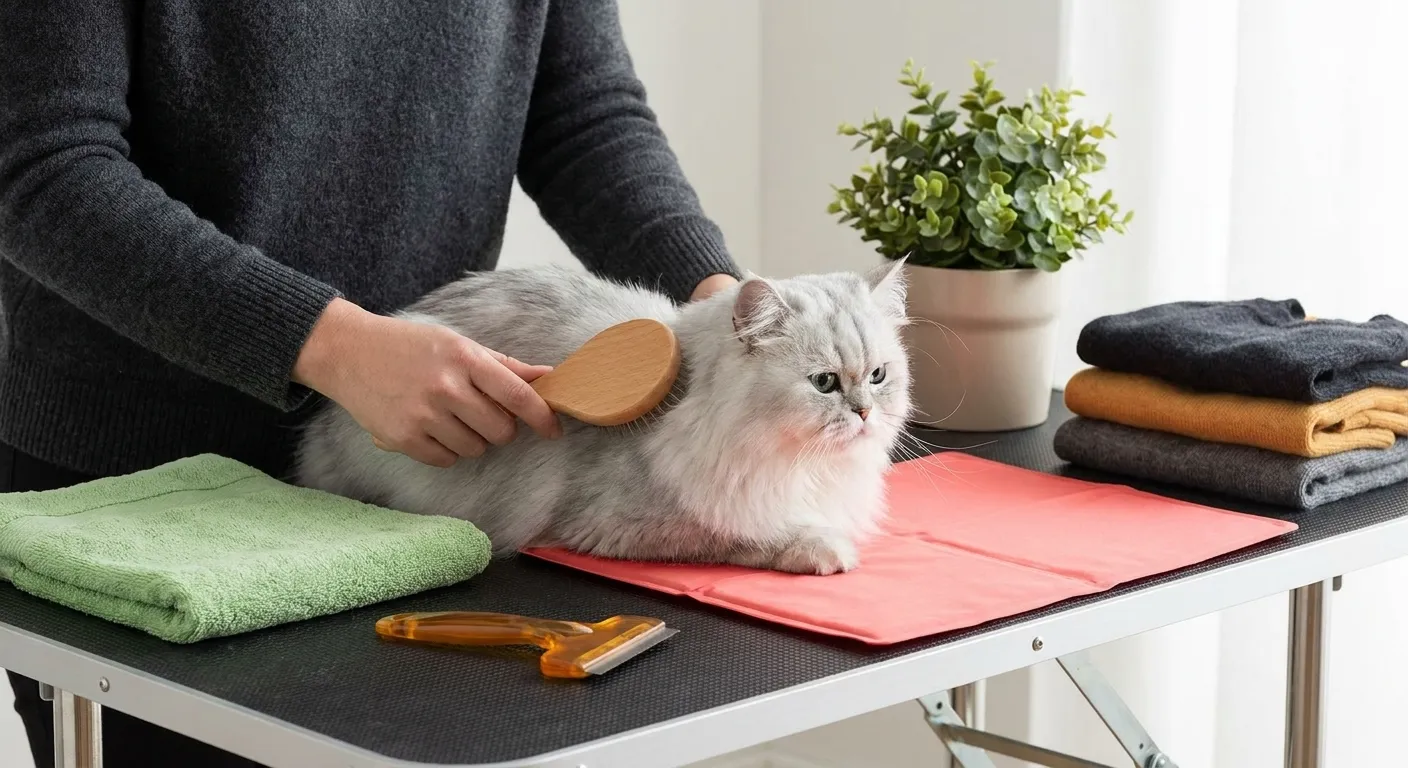
For owners and aspiring groomers of Persian cats, understanding the nuances of seasonal Persian cat grooming is crucial for maintaining their luxurious coat and ensuring their comfort throughout the year. A Persian’s magnificent double coat is not static; it responds to environmental changes, requiring thoughtful adjustments to their grooming routine. At Persian Grooming Pro, we move beyond generic cat grooming advice to provide specialized, in-depth education that empowers you to keep your Persian pristine and healthy, regardless of the season. This focus on tailored care aligns perfectly with the industry trend of “Personalized and Breed-Aware Routines,” recognizing the unique needs of each pet.
Why Seasonal Grooming Matters for Your Persian
A Persian cat’s coat naturally adapts to the changing seasons. In spring, they shed their dense winter undercoat to prepare for warmer weather, while in autumn, they grow a thicker coat for insulation. These natural cycles, combined with environmental factors like humidity, dry air, and seasonal allergens, profoundly impact their coat health and comfort. Neglecting these seasonal shifts can lead to excessive shedding, matting, skin irritation, and even discomfort for your cat. Optimizing your Persian’s seasonal coat care routine is a key component of “Wellness-Focused Grooming,” ensuring their physical and emotional well-being all year long.
Spring & Summer: Lightening Up and Staying Cool
As temperatures rise and days lengthen, your Persian’s grooming needs shift dramatically. The goal is to help them shed their heavy winter coat, prevent overheating, and maintain hygiene in warmer conditions. Therefore, a proactive approach is essential.
- Increased De-shedding Frequency: Spring is prime shedding season. Increase your de-shedding sessions to every other day, or even daily, using specialized de-shedding rakes and high-velocity dryers (if your cat tolerates them). This is vital to remove the dense undercoat and prevent matting.
- Bathing with Cooling Products: Opt for light, moisturizing, and cooling shampoos. Ensure thorough rinsing to prevent residue build-up. Consider “waterless grooming” products like dry shampoos or cleansing wipes for quick touch-ups between full baths, especially to keep sanitary areas clean.
- Hygiene Focus: Pay extra attention to keeping paw pads, sanitary areas, and armpits meticulously clean and trimmed. This prevents mats in high-friction areas and reduces the risk of heat-related discomfort.
- Sun Protection: While not directly grooming, be mindful of direct sun exposure, especially for white or light-colored Persians who can be prone to sunburn on sensitive areas like ear tips.
- Tool Recommendations: Fine-toothed de-shedding tools, cooling pet wipes, and a good quality slicker brush for maintaining the topcoat.
Autumn & Winter: Protecting and Moisturizing
As the air turns crisp and temperatures drop, your Persian’s coat requires different care. The focus shifts to protecting their skin from dryness and maintaining their insulating winter coat. Consequently, your grooming routine should adapt.
- Maintaining Coat Density: Reduce the frequency of de-shedding slightly compared to summer, but continue regular brushing to prevent tangles. The winter coat provides crucial insulation, so excessive de-shedding is not ideal.
- Hydrating Baths: Choose hydrating and conditioning shampoos and conditioners. Dry indoor air, often from heating systems, can strip moisture from the coat and skin. Therefore, regular moisturizing baths are beneficial.
- Paw Protection: If your Persian goes outdoors, protect their paw pads from cold, ice, and de-icing chemicals. Consider paw balms or booties.
- Static Control: Dry air can lead to static electricity in their fur, making it prone to tangling. Use anti-static sprays or conditioners specifically designed for pets.
- Tool Recommendations: Soft bristle brushes, hydrating shampoos and conditioners, and a wide-toothed comb for detangling.
The Foundation of Year-Round Grooming: Essential Practices
Regardless of the season, several core grooming practices remain consistently vital for your Persian’s health and comfort. These form the bedrock of any successful grooming strategy.
Regular Brushing: The Cornerstone of Coat Health
Daily brushing is non-negotiable for a Persian cat. Their long, dense double coat is highly susceptible to matting. Regular brushing removes loose hair, prevents tangles, distributes natural oils, and stimulates circulation. Moreover, it allows you to check for skin issues, parasites, or lumps. Use a combination of a slicker brush and a metal comb for best results. Start with the slicker brush to remove loose hair and minor tangles, then follow with the metal comb to ensure no mats are lurking deep within the coat.
Bathing: More Than Just Cleanliness
Bathing a Persian cat is an art. It’s not just about getting them clean; it’s about maintaining skin and coat health. The frequency can vary, but generally, a bath every 4-6 weeks is recommended for most Persians. However, some show cats or those prone to oiliness may require more frequent baths. Always use cat-specific shampoos and conditioners. Furthermore, ensure you rinse thoroughly to prevent skin irritation from residue. Proper drying is equally important; a high-velocity dryer, if introduced gently, can significantly reduce drying time and prevent matting.
Nail Trimming: A Small Task, Big Impact
Regular nail trims prevent ingrown claws, discomfort, and damage to furniture. Aim for every 2-4 weeks. Introduce nail trimming early in your cat’s life to make it a positive experience. Use sharp, cat-specific nail clippers. Be careful to only trim the tip, avoiding the quick, which is a sensitive blood vessel. If unsure, consult your vet or a professional groomer.
Ear and Eye Care: Preventing Infections
Persian cats are known for their brachycephalic (flat) faces, which can lead to increased tear staining. Daily gentle wiping with a soft, damp cloth or a vet-approved eye cleaner helps prevent build-up and irritation. Similarly, regularly check their ears for dirt, wax build-up, or any signs of infection. Clean them gently with a vet-approved ear cleaner and cotton balls, never cotton swabs, which can push debris deeper. If you notice redness, odor, or excessive scratching, consult your veterinarian.
Dental Hygiene: Often Overlooked
Dental health is a crucial, yet often neglected, aspect of overall pet wellness. Regular dental care can prevent periodontal disease, which can lead to more serious health issues. Consider daily tooth brushing with cat-specific toothpaste, dental treats, or professional dental cleanings as recommended by your vet. This holistic approach contributes to your Persian’s long-term well-being.
Advanced Seasonal Persian Cat Grooming Techniques
Beyond the basics, certain advanced techniques can significantly enhance your Persian’s comfort and coat health throughout the year. These methods are particularly useful for maintaining a pristine appearance.
Demating and Detangling Strategies
Despite best efforts, mats can occur. Never pull or cut mats with scissors close to the skin, as this can cause severe injury. Instead, use a mat splitter or a dematting comb. Work slowly and gently, starting from the outer edge of the mat. For severe matting, professional help is often the safest and most humane option. Prevention through consistent brushing is always the best strategy for managing matting.
Understanding Coat Cycles and Shedding Patterns
Persian cats typically have two major shedding cycles: a heavy shed in spring to prepare for warmer weather, and a lighter shed in autumn as their winter coat grows in. Understanding these cycles allows you to adjust your grooming frequency accordingly. During heavy shedding, increased brushing and de-shedding efforts are paramount. Conversely, during periods of less shedding, you can focus more on maintaining the coat’s condition.
Nutrition and Supplements for Coat Health
A healthy coat starts from within. A high-quality diet rich in essential fatty acids (Omega-3 and Omega-6) is vital for skin and coat health. Consider supplements like fish oil, if recommended by your veterinarian, to support a lustrous coat and reduce dryness. Furthermore, adequate hydration is key; ensure your Persian always has access to fresh, clean water. Diet plays a significant role in managing seasonal coat changes.
Environmental Controls: Humidity and Temperature
The indoor environment plays a significant role in coat health. In dry winter months, a humidifier can help prevent static electricity and dry skin. During humid summer months, ensuring good air circulation and possibly using a dehumidifier can prevent the coat from becoming greasy or prone to fungal infections. These environmental adjustments complement your physical grooming efforts.
The Role of Professional Groomers in Seasonal Care
While home grooming is essential, professional groomers offer invaluable expertise, especially for complex coats like the Persian’s. They possess specialized tools and techniques for efficient de-shedding, dematting, and bathing. A professional groomer can also provide guidance on your specific cat’s needs and recommend appropriate products. Consider regular professional grooming appointments, perhaps quarterly, to supplement your home routine, particularly when adapting to new seasonal Persian cat grooming requirements.
Recognizing and Addressing Skin Issues
Persian cats can be prone to various skin conditions, some of which may be exacerbated by seasonal changes. Watch for signs such as excessive scratching, redness, flakiness, bald patches, or unusual odors. These could indicate allergies, fungal infections, or parasites. If you notice any of these symptoms, consult your veterinarian promptly. Early diagnosis and treatment are crucial for your cat’s comfort and health. The ASPCA offers valuable resources on common cat health issues. Furthermore, maintaining a consistent grooming schedule can help you detect these issues early.
Building a Positive Grooming Experience
Grooming should be a positive, stress-free experience for your Persian. Start grooming early in their life, introducing tools and procedures gradually. Use positive reinforcement, such as treats and praise, to create positive associations. Keep sessions short initially and gradually increase their duration. If your cat shows signs of stress, take a break and try again later. Patience and consistency are key to successful seasonal Persian cat grooming. Indeed, a calm demeanor from the groomer translates to a calmer cat.
Conclusion: Embracing Seasonal Adaptations for a Thriving Persian
Mastering seasonal care for your Persian cat is not merely about aesthetics; it is about ensuring their health, comfort, and well-being throughout the year. By understanding their natural coat cycles and adapting your grooming routine accordingly, you can prevent common issues like matting, skin irritation, and discomfort. At Persian Grooming Pro, we are committed to providing the specialized knowledge you need to excel in this endeavor. Embrace these seasonal adaptations, and your Persian will thank you with a luxurious, healthy coat and a happy disposition. Consistent application of these principles will lead to a truly thriving companion. For more detailed information on feline health and care, you can visit the Cornell Feline Health Center.
FAQ
How often should I brush my Persian cat during different seasons?
During spring and autumn, when shedding is heaviest, daily brushing is highly recommended. In summer and winter, you can often brush every other day, but daily quick checks are still beneficial to prevent mats.
What kind of shampoo is best for my Persian in summer?
In summer, opt for light, moisturizing, and cooling shampoos. These help to keep your cat comfortable and prevent skin irritation from the heat. Always ensure it’s specifically formulated for cats.
How can I prevent my Persian’s coat from getting matted in winter?
To prevent winter matting, maintain a regular brushing schedule, use hydrating shampoos and conditioners, and consider an anti-static spray for dry indoor air. Pay extra attention to high-friction areas like armpits and behind the ears.
Are there any specific health concerns related to coat care in older Persian cats?
Older Persian cats may have less mobility, making self-grooming difficult. They might also be more sensitive to temperature changes. Adjust grooming sessions to be shorter and gentler, and provide extra warmth in winter. Consult your vet for any new skin or coat issues.
Should I change my Persian’s diet based on the season?
While a consistent, high-quality diet is generally best, some owners and vets consider adding essential fatty acid supplements (like fish oil) during dry winter months to support skin and coat health. Always consult your veterinarian before making significant dietary changes.

