
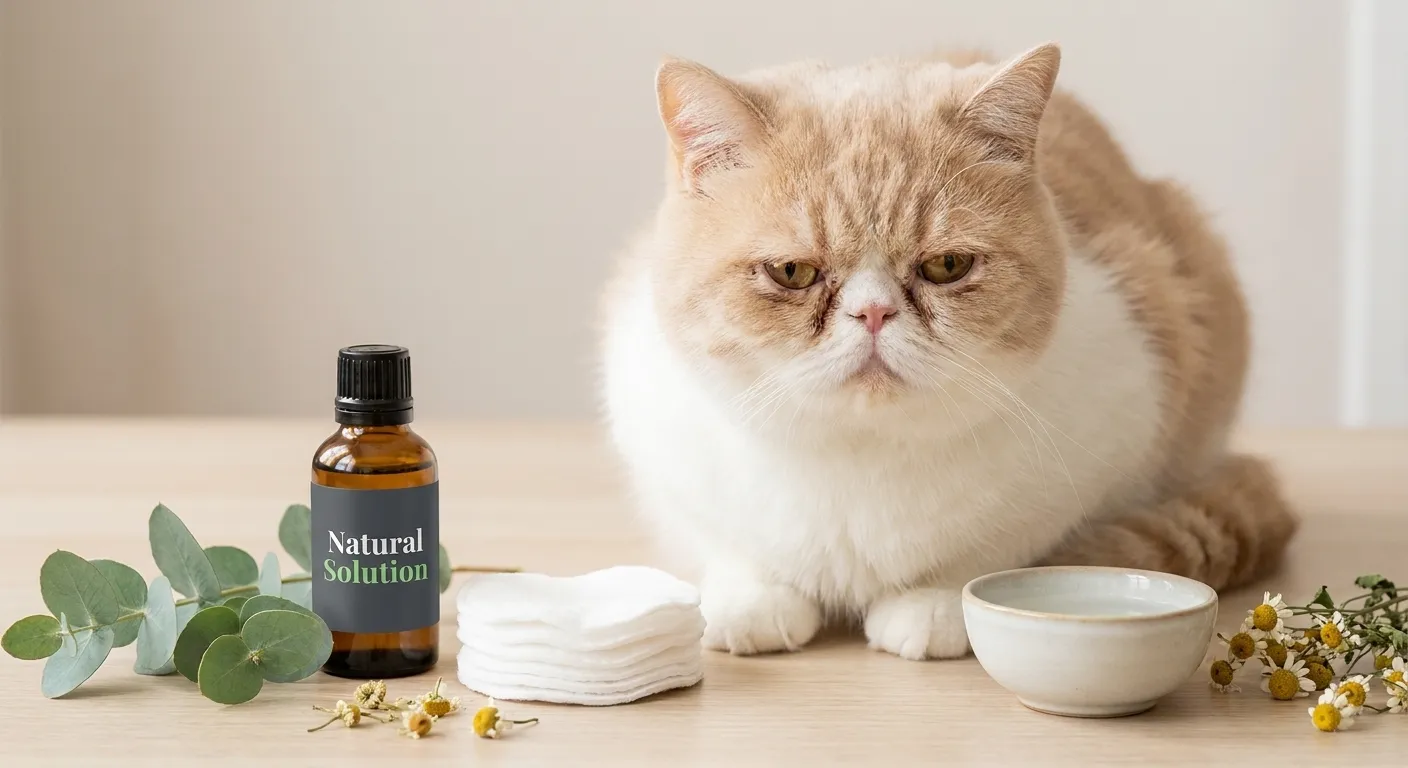
The distinctive, expressive eyes of a Persian cat are undeniably captivating. However, their unique facial structure often leads to a common challenge: tear staining. For many owners and aspiring groomers, addressing Persian cat tear stain solutions can feel like a constant battle. At Persian Grooming Pro, we advocate for moving beyond superficial cleaning to embrace advanced, sustainable strategies that prioritize your cat’s long-term health and comfort.
The pet grooming industry is currently experiencing a significant shift towards “Wellness-Focused Grooming,” emphasizing comprehensive routines that extend beyond aesthetics to include skin comfort, coat health, and the emotional well-being of pets. This “Skinification” approach, focusing on the health of the skin and underlying tissues, is particularly relevant for sensitive areas like a Persian’s tear ducts and surrounding fur. Furthermore, there’s a growing demand for “Eco-Friendly and Sustainable Practices,” influencing product choices for even the most delicate grooming tasks.
Understanding the Root Causes of Persian Cat Tear Stains
Effective tear stain management begins with understanding why they occur. Persian cats are a brachycephalic breed, meaning they have shortened muzzles and flattened faces. This can lead to several specific issues.
- Shallow Eye Sockets: Tears may overflow more easily rather than draining properly.
- Blocked Tear Ducts (Epiphora): The nasolacrimal ducts can be narrow or easily blocked, causing tears to spill onto the face.
- Hair Irritation: Eyelashes or facial hair can irritate the eye, leading to increased tear production.
- Bacterial/Yeast Growth: The constant moisture in the facial folds creates a warm, damp environment, perfect for the proliferation of Porphyrin (a red yeast that causes reddish-brown stains) and other bacteria.
- Dietary and Environmental Factors: Allergies, poor water quality (high mineral content), and even certain food ingredients can contribute to tear production and staining.
Sophisticated Persian Cat Tear Stain Solutions
Addressing tear stains effectively requires a multi-faceted approach, integrating the principles of “Skinification” and personalized care. This section will explore various methods.
The “Skinification” Approach: Gentle and Targeted Cleansing
Instead of harsh scrubbing, focus on gentle, pH-balanced cleansing that supports the delicate skin around the eyes. This method respects the sensitivity of the area. Specifically, consider specialized products.
- Enzyme-Based Cleaners: These work by breaking down the organic matter causing the stain, offering a deeper clean without harsh chemicals. They are highly effective.
- Colloidal Silver Solutions: Known for its natural antibacterial properties, colloidal silver can help combat bacterial growth responsible for staining. It offers a gentle alternative.
- Hypoallergenic Wipes/Solutions: Always opt for products specifically formulated for cats, free from perfumes, parabens, and sulfates that can irritate delicate skin. Many quality options exist.
- Daily Gentle Wiping: Use a soft, lint-free cloth dampened with purified water or a vet-approved saline solution. Gently wipe the stained area daily to prevent buildup. Consistency is key here.
Internal Health for External Radiance: Dietary and Hydration Adjustments
What goes into your Persian cat’s body significantly impacts their tear production and staining. Therefore, dietary and hydration choices are crucial. Consider these adjustments carefully.
- High-Quality Diet: Transitioning to a premium, grain-free, and filler-free cat food can reduce allergic reactions and inflammation, which often contribute to excessive tearing. Look for foods with limited ingredients.
- Filtered Water: Tap water, especially if high in minerals, can exacerbate tear staining. Offering filtered or distilled water can make a noticeable difference. Ensure fresh water is always available.
- Supplements: Certain supplements can support overall eye health and reduce inflammation. For example, probiotics can improve gut health, potentially reducing systemic inflammation. Antioxidants like astaxanthin may also be beneficial. Always consult your veterinarian before introducing any new supplements.
Environmental Control: Minimizing Irritants
Your cat’s environment plays a vital role in preventing tear stains. Minimizing exposure to irritants is a proactive step. Consequently, evaluate their living space.
- Dust-Free Litter: Opt for low-dust or dust-free litter to prevent eye irritation. Dust particles can easily trigger increased tear production.
- Clean Living Space: Regularly clean your home to reduce allergens and dust. This includes washing pet bedding frequently. A clean environment benefits overall health.
- Avoid Irritating Scents: Strong perfumes, air fresheners, and cleaning chemicals can irritate your cat’s sensitive eyes. Choose natural, unscented alternatives whenever possible.
Professional Grooming Techniques and Tools for Tear Stains
Beyond daily home care, professional grooming offers specialized techniques and tools that can significantly improve tear stain management. A skilled groomer understands the unique needs of Persian cats. Moreover, they possess the right equipment.
- Careful Trimming: Regular, careful trimming of the hair around the eyes can prevent irritation and keep the area dry. This requires precision and the right tools.
- Specialized Combs: Fine-toothed combs designed for delicate facial hair can help remove crust and debris gently. These combs are essential for thorough cleaning.
- Safe Eye Washes: Professional groomers often use veterinary-grade eye washes that are safe and effective for flushing out irritants. They know the correct application methods.
For more detailed information on general cat grooming practices, consider resources like ASPCA Cat Grooming Tips, which provides a solid foundation for overall pet care.
Advanced Strategies: Addressing Persistent Tear Stains
When basic methods aren’t enough, it’s time to consider more advanced Persian cat tear stain solutions. These often involve veterinary consultation. Therefore, professional advice is paramount.
Veterinary Consultation and Diagnosis
Persistent or worsening tear stains warrant a trip to the veterinarian. A vet can rule out underlying medical conditions. These conditions include:
- Allergies: Your vet may recommend allergy testing or a hypoallergenic diet trial.
- Eye Infections: Bacterial or fungal infections require specific medical treatment, such as antibiotic eye drops.
- Blocked Tear Ducts: In some cases, a veterinarian may need to flush or surgically correct blocked tear ducts. This is a more invasive solution.
- Entropion/Ectropion: These are eyelid abnormalities that can cause irritation and excessive tearing, often requiring surgical correction.
- Porphyrin Testing: While Porphyrin is a natural pigment, excessive amounts can indicate dietary imbalances or other issues.
Topical Treatments and Medications
Your vet might prescribe specific topical treatments. These treatments are often more potent than over-the-counter options. For example, they might include medicated wipes or ointments.
- Antibiotic Ointments/Drops: For bacterial infections causing staining, a vet-prescribed antibiotic can be highly effective.
- Anti-fungal Solutions: If yeast is a primary contributor, anti-fungal treatments may be necessary.
- Steroid Eye Drops: In cases of severe inflammation, short-term use of steroid drops might be considered, always under strict veterinary guidance.
Consideration of Supplements for Tear Stain Management
Beyond basic vitamins, certain specialized supplements can support the body’s natural defenses against tear staining. These work internally to address the root causes. Consequently, they offer long-term benefits.
- Cranberry Extracts: Similar to their use in urinary tract health, cranberry extracts can help prevent bacteria from adhering to surfaces, potentially including those around the tear ducts.
- MSM (Methylsulfonylmethane): This organic sulfur compound has anti-inflammatory properties and can support overall cellular health, which may indirectly reduce tear production.
- Omega-3 Fatty Acids: Known for their anti-inflammatory benefits, Omega-3s can help reduce irritation that leads to excessive tearing. Look for high-quality fish oil supplements.
When seeking more general pet health information, reputable sources such as The American Veterinary Medical Association (AVMA) provide valuable insights into veterinary care and animal welfare.
Sustainable Practices in Persian Cat Tear Stain Solutions
Embracing sustainability means choosing products and methods that are effective for your cat and kind to the planet. This aligns with the

