
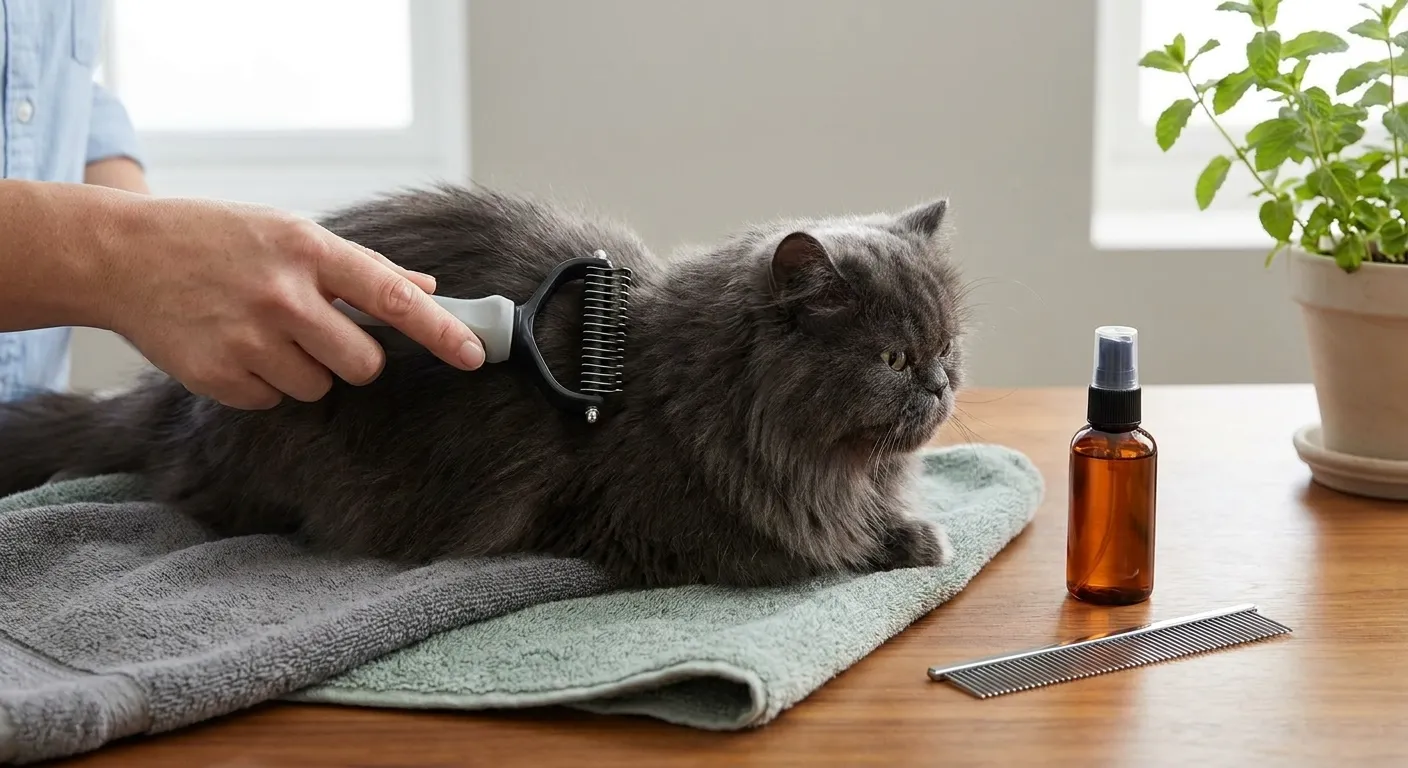
Even with diligent daily brushing, the unique challenges of a Persian cat’s double coat can sometimes lead to unexpected matting. While a consistent brushing routine is paramount, truly mastering coat maintenance involves a deeper understanding of preventative measures. For Persian cat owners and aspiring groomers seeking to move beyond generic advice, understanding advanced strategies for preventing Persian cat mats is crucial. This specialized insight reflects the growing trend in pet grooming education towards in-depth, breed-specific care, ensuring your Persian’s coat remains pristine and healthy.
The Silent Threat: Why Mats Form Even with Regular Brushing
Mats don’t always appear overnight. Sometimes, despite your best efforts with a brush, they can still develop. Understanding the underlying causes is the first step in effective mat prevention.
Environmental Factors Contributing to Mat Formation
Humidity, static electricity, and even the type of bedding your Persian uses can contribute to matting. For instance, a dry environment can make hair brittle and more prone to breakage and tangles. Similarly, certain synthetic fabrics can create static, causing hairs to cling together and form knots. Therefore, managing your cat’s immediate environment is key.
Coat Health and Nutrition: An Internal Perspective
A healthy coat starts from within. Nutritional deficiencies, dehydration, or underlying health issues can impact the quality of your Persian’s fur, making it more susceptible to matting. A dull, dry coat is often a sign that something deeper is at play, making it harder to manage even with regular grooming. Consequently, addressing internal health is vital for preventing coat issues.
Advanced Strategies for Preventing Persian Cat Mats
Moving beyond the daily brush, these techniques offer an additional layer of defense against matting, ensuring a truly immaculate coat. Furthermore, these methods contribute to overall feline well-being.
Strategic Bathing: A Mat Prevention Tool
Periodic bathing every 4-6 weeks is not just for cleanliness; it’s a critical component of mat prevention. High-quality, moisturizing shampoos and conditioners designed for long-haired cats help to remove grease buildup, hydrate the fur, and smooth the hair shaft, making it less likely to tangle. Ensure thorough rinsing and drying to prevent mats from forming during the drying process. In fact, proper bathing techniques are detailed in our guide on Bathing Your Persian Cat: Stress-Free Techniques for a Clean Coat.
The Power of Targeted Trimming
While full body shaving is generally discouraged for Persians due to coat regrowth issues, targeted trimming can be incredibly effective. Small hygiene clips around the sanitary areas, armpits, and behind the ears can prevent severe matting in these high-friction zones. These are common problem areas where mats can quickly become painful. Learning these precise techniques is part of the specialized education now offered in pet grooming, with institutions like the National Cat Groomers Institute providing comprehensive feline-specific coursework. Therefore, consider professional guidance for these intricate trims.
Diet and Supplements for Optimal Coat Health
Consult your veterinarian about a diet rich in Omega-3 and Omega-6 fatty acids, which are vital for skin and coat health. Supplements like fish oil or specific dermatological formulas can significantly improve coat quality and resilience against tangles. A well-nourished coat is inherently less prone to knotting. For more information, explore The Link Between Nutrition and a Healthy Persian Cat Coat.
Addressing Static and Humidity
Controlling static electricity and humidity in your home can greatly assist in preventing Persian cat mats. Use a humidifier in dry climates, especially during winter months, to add moisture to the air. Furthermore, consider anti-static sprays specifically formulated for pets, which can be applied lightly to the coat before or after brushing. Opt for natural fiber bedding to reduce static buildup. These small adjustments can make a big difference.
Choosing the Right Grooming Tools
Beyond the basic brush, investing in specialized tools is essential for advanced mat prevention. A high-quality metal comb with both fine and wide teeth is indispensable for working through tangles and ensuring the undercoat is thoroughly groomed. Moreover, a slicker brush with fine, bent wires can help remove loose hair and stimulate the skin. Notably, a dematting tool should be used with extreme caution, and only on small, surface mats, as improper use can cause pain and skin irritation. Always work gently and patiently.
Beyond Prevention: Early Detection and Gentle Removal
Even with the most rigorous preventative measures, an occasional small mat may still form. Early detection is paramount to preventing these small tangles from escalating into larger, more painful issues. Therefore, regular, thorough examinations of your Persian’s coat are non-negotiable.
Daily Coat Checks
Integrate a quick, tactile check of your Persian’s entire coat into your daily routine. Pay particular attention to high-friction areas such as behind the ears, armpits, flanks, and the sanitary region. Run your fingers through the fur, feeling for any small knots or areas of resistance. If you detect a minor tangle, address it immediately. This proactive approach is crucial for preventing Persian cat mats from becoming severe.
Techniques for Gentle Mat Removal
For very small, surface mats, a combination of cornstarch or detangling spray and careful use of a metal comb can be effective. Apply a small amount of cornstarch to the mat, gently working it in to help loosen the hairs. Then, using the wide-toothed end of your comb, carefully tease apart the mat, starting from the outer edges and working inward. Never pull or yank at the fur, as this can cause pain and damage the skin. If the mat is larger, tight to the skin, or your cat shows signs of discomfort, it is always best to consult a professional groomer or veterinarian. For comprehensive care, consider the holistic approach to Mastering Persian Cat De-Shedding: A Holistic Guide to Seasonal Coat Care.
The Role of Professional Grooming in Mat Prevention
Even the most dedicated home groomer can benefit from professional assistance. Expert groomers possess specialized tools, techniques, and knowledge to handle challenging coats and tough mats safely. They can also offer personalized advice tailored to your Persian’s specific coat type and lifestyle.
When to Seek Professional Help
If you encounter mats that are too large, too tight to the skin, or too numerous to manage safely at home, do not hesitate to seek a professional groomer. Attempting to remove severe matting yourself can cause significant pain, skin irritation, and even injury to your cat. A professional groomer can often safely remove mats that would be impossible for an owner to tackle, sometimes requiring a full shave-down under sedation, which should always be performed by a veterinarian. Professional intervention is a key strategy for preventing Persian cat mats from causing long-term health issues.
Benefits of Regular Professional Grooming
Scheduled professional grooming sessions, perhaps every 8-12 weeks, can act as a crucial preventative measure. Groomers can thoroughly de-shed the undercoat, trim problem areas, and provide a deep conditioning treatment that home routines might miss. Furthermore, they can identify potential skin issues or developing mats before they become serious. This partnership between owner and professional is invaluable for maintaining a Persian’s luxurious coat.
Lifestyle Adjustments for a Mat-Free Life
Beyond direct grooming, certain lifestyle adjustments can significantly contribute to preventing coat tangles and maintaining a healthy, mat-free Persian. These considerations encompass their daily environment and activities.
Managing Play and Activity
While Persian cats are not typically highly active, their play can still contribute to matting. For example, rough-and-tumble play with other pets can cause friction and tangles. Similarly, allowing them to roll frequently on certain types of carpeting can exacerbate mat formation. Consider supervised play sessions and providing smooth, easy-to-clean surfaces for resting. Monitoring these aspects helps in avoiding coat damage.
Regular Health Check-ups
Underlying health conditions, such as dental disease, kidney issues, or arthritis, can make a cat less willing or able to groom themselves effectively. This reduced self-grooming can lead to an increased incidence of matting. Regular veterinary check-ups are therefore essential to ensure your Persian is in optimal health, which directly supports their coat condition. A healthy cat is a happy cat with a healthier coat, further aiding in preventing Persian cat mats.
Conclusion
Mastering the art of preventing Persian cat mats extends far beyond the daily brush. It requires a comprehensive approach that integrates strategic bathing, targeted trimming, optimal nutrition, environmental control, and diligent daily checks. By understanding the unique needs of your Persian’s magnificent double coat and implementing these advanced strategies, you can ensure their fur remains healthy, pristine, and free from painful mats. Moreover, a proactive approach to grooming not only enhances your cat’s appearance but also significantly contributes to their overall comfort and well-being. Embrace these expert insights from Persian Grooming Pro to elevate your grooming routine and provide your beloved feline with the exceptional care they deserve.
FAQ
What are the primary reasons Persian cats develop matted fur?
Persian cats often develop matted fur due to their long, dense double coats. Environmental factors like humidity and static, along with insufficient or improper grooming, are common culprits. Poor nutrition or underlying health issues can also contribute to a dull, tangle-prone coat.
How often should I bathe my Persian cat to help prevent matting?
Strategic bathing every 4-6 weeks can be highly effective in preventing coat tangles. Use a high-quality, moisturizing shampoo and conditioner formulated for long-haired cats. Proper rinsing and thorough drying are crucial to avoid new tangles forming during the process.
Are there specific areas on a Persian cat that are more prone to developing tangles?
Yes, certain areas on a Persian cat are more susceptible to tangles due to friction and movement. These include behind the ears, in the armpits, on the flanks, and around the sanitary region. Regular checks and targeted trimming in these zones can significantly reduce the risk of severe matting.
Can diet influence my Persian cat’s coat health and susceptibility to knotting?
Absolutely. A diet rich in Omega-3 and Omega-6 fatty acids is vital for skin and coat health. Nutritional deficiencies can lead to a dry, brittle coat that is more prone to knotting. Consult your veterinarian about appropriate dietary supplements like fish oil to support a healthy, resilient coat.
When should I consider professional help for my Persian cat’s coat management?
If you encounter mats that are too large, too tight to the skin, or too numerous for you to safely manage at home, it’s best to seek a professional groomer. They have the expertise and tools to safely remove severe matting and can provide ongoing preventative care to keep your Persian’s coat in top condition.

