
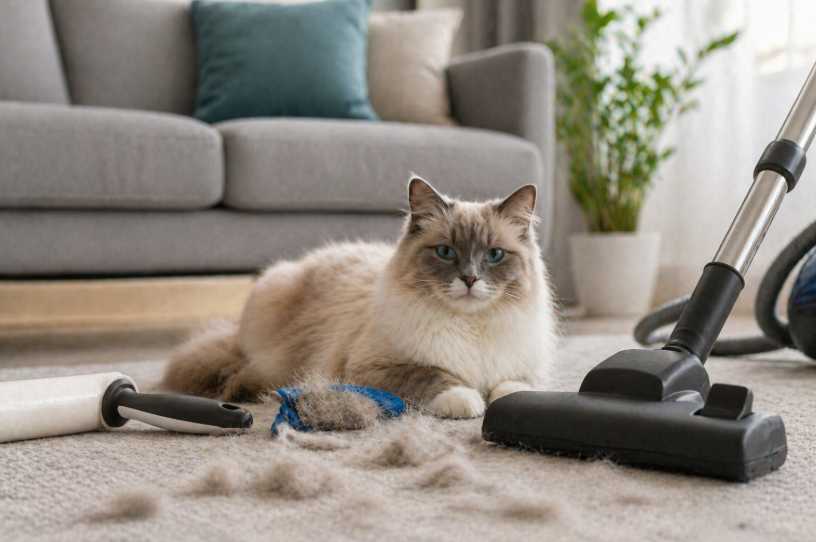
If you are looking for ways to stop pet hair buildup, you are dealing with one of the most common challenges pet owners face. Hair seems to appear everywhere, from your couch to your clothes, even shortly after cleaning. While shedding is natural, buildup happens when loose fur is not managed consistently. Fortunately, with the right strategy, you can reduce it significantly without spending hours every day cleaning.
To stop pet hair buildup effectively, you need a combination of grooming, cleaning habits, and small changes in your environment. Instead of relying on one quick fix, building a routine gives you long-term results. Over time, these simple steps make your home easier to maintain and far more comfortable.
Understand Why Pet Hair Spreads Easily
Before you can fully stop pet hair buildup, it helps to understand why it spreads so quickly. Pets shed continuously, and indoor spaces trap that hair. As a result, fur settles on furniture, floors, and fabrics instead of disappearing.
Additionally, static electricity makes hair cling to surfaces. Soft materials like carpets and upholstery hold onto fur much more than smooth surfaces. Seasonal shedding can also increase the amount of loose hair in your home.
Because of these factors, buildup can happen faster than expected. However, once you understand the cause, it becomes easier to manage and reduce it effectively.
Daily Grooming Reduces Loose Hair
One of the most effective ways to reduce shedding is regular grooming. When you brush your pet often, you remove loose hair before it spreads around your home. This simple habit helps you stop pet hair buildup at the source.
Choose a brush that fits your pet’s coat type. For example, short-haired pets benefit from soft brushes, while long-haired pets need de-shedding tools. Regular brushing also improves coat health and reduces excessive shedding.
Consistency is more important than duration. Even short daily sessions can make a noticeable difference in keeping your home cleaner.
Use Effective Cleaning Tools For Better Results
The tools you use play a major role in how well you control pet hair. A vacuum designed for pet hair works far better than standard models. It can reach deep into carpets and upholstery where hair tends to collect.
Microfiber cloths are also helpful because they attract hair rather than push it around. Slightly damp cloths improve effectiveness on hard surfaces. Lint rollers are perfect for quick touch-ups on clothes and cushions.
For additional cleaning tips, you can explore practical home cleaning guides at https://www.goodhousekeeping.com/home/cleaning/.
Using the right tools makes your routine more efficient and helps maintain a cleaner space with less effort.
Manage Fabrics And Upholstery Carefully
Fabrics collect the most pet hair, so managing them properly is essential. Washing blankets, covers, and cushion cases regularly helps reduce buildup. Before washing, remove excess hair using a lint roller or brush.
Dryer sheets can also help loosen fur during the drying process. This makes fabrics easier to clean and maintain. Over time, these habits significantly reduce visible hair in your home.
Choosing materials that are easy to clean also helps. Smooth or tightly woven fabrics tend to hold less hair, making maintenance simpler.
Build A Consistent Cleaning Routine
A structured routine is key if you want to stop pet hair buildup long term. Instead of reacting to mess, you stay ahead of it with regular maintenance.
For example, vacuum high-traffic areas several times a week. Wipe surfaces daily using microfiber cloths. Groom your pet consistently to reduce shedding at the source.
If you need help building a routine, you can check related tips in your own content hub like /daily-pet-care-routine or /cat-grooming-basics.
Consistency creates results. Small daily actions prevent buildup from becoming overwhelming.
Improve Air Quality To Reduce Floating Hair
Airborne hair contributes to overall buildup, so improving air quality helps reduce the problem. Air purifiers with HEPA filters capture fine particles, including pet hair and dander.
Placing purifiers in rooms where your pet spends the most time increases effectiveness. Good ventilation also helps move particles instead of letting them settle.
While this step alone will not solve the problem, it supports your cleaning efforts and creates a healthier environment.
Choose Materials That Resist Pet Hair
Your furniture and flooring choices can either help or worsen the situation. Some materials attract hair, while others make cleaning easier.
Leather, synthetic fabrics, and smooth surfaces do not hold hair as easily. Carpets and soft upholstery tend to trap fur, making them harder to maintain.
If replacing furniture is not possible, use washable covers. These can be cleaned regularly and help reduce visible buildup.
Small adjustments in your home setup can make a big difference in how manageable pet hair becomes.
Support Your Pet’s Coat Health
Healthy pets shed less excessively, which makes cleaning easier. A balanced diet supports strong fur and reduces loose hair. Foods rich in essential fatty acids improve coat condition.
Hydration is equally important. Ensure your pet has access to fresh water at all times. Regular veterinary checkups can also identify issues that may increase shedding.
For more information on pet health and shedding, you can visit https://www.petmd.com/.
By focusing on your pet’s health, you address the root cause rather than just the symptoms.
Set Boundaries To Limit Hair Spread
Creating pet-free zones can help control where hair accumulates. For example, keeping pets out of bedrooms or workspaces reduces the amount of cleaning needed in those areas.
This approach does not restrict your pet entirely but creates cleaner zones in your home. It also makes maintenance easier and more manageable.
Consistency is important. Once boundaries are set, maintaining them ensures better results over time.
Focus On High-Impact Cleaning Areas
Instead of cleaning randomly, focus on areas where hair builds up the most. Corners, under furniture, and along baseboards often collect fur quickly.
Using the right attachments on your vacuum helps reach these spots. Sweeping or mopping can also capture hair that vacuums miss.
Targeted cleaning improves efficiency. This approach saves time while delivering better results.
Conclusion
Learning how to stop pet hair buildup is about consistency, not perfection. By combining grooming, smart cleaning, and small home adjustments, you can control shedding effectively.
Instead of constantly chasing fur, focus on preventing it from spreading. Daily habits make a lasting difference and keep your home comfortable.
With the right approach, managing pet hair becomes simple. Over time, your space stays cleaner, and the effort required becomes much more manageable.
FAQ
- How often should I clean to manage pet hair?
Light daily cleaning combined with weekly deep cleaning works best. - What is the easiest way to remove hair from clothes?
Lint rollers are quick and effective for removing hair from clothing. - Can grooming really reduce shedding?
Yes, regular grooming removes loose hair before it spreads. - Are certain materials better for pet owners?
Smooth surfaces like leather are easier to clean than soft fabrics. - Does pet diet affect shedding levels?
Yes, proper nutrition supports coat health and reduces excessive shedding.

