
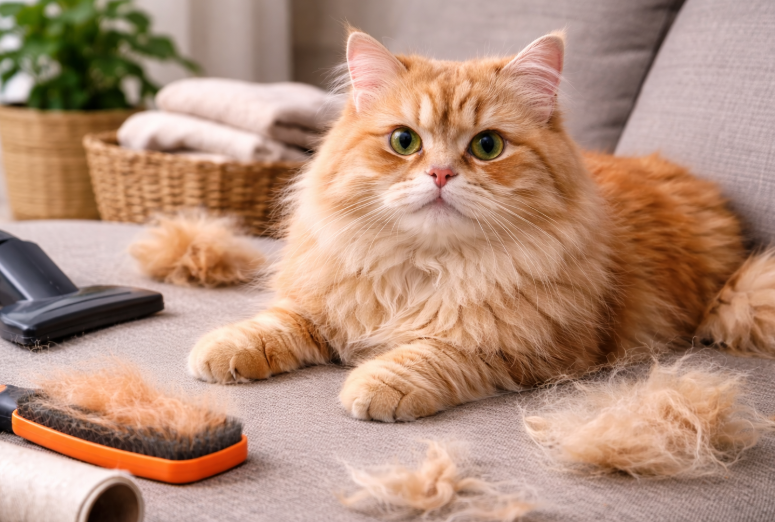
If you constantly find fur on your furniture, clothes, and floors, you are probably asking yourself why your pet sheds so much indoors. Shedding is a natural process for most pets, especially cats and dogs, yet indoor environments often make it seem worse than it actually is. While some shedding is completely normal, excessive fur around the house can point to underlying factors that go beyond simple seasonal changes. Understanding why your pet sheds so much indoors helps you manage it effectively while keeping your pet healthy and comfortable.
At first, many pet owners assume shedding is just part of owning a furry companion. However, when shedding increases indoors, it often reflects environmental, dietary, or grooming-related influences. Because indoor pets live in controlled climates, their natural shedding cycles can change. As a result, they may shed more consistently throughout the year rather than in predictable seasonal patterns. Learning why your pet sheds so much indoors allows you to identify these triggers and take practical steps to reduce the problem.
The Impact Of Indoor Living Conditions
One of the main reasons why your pet sheds so much indoors is the environment inside your home. Unlike outdoor animals that experience natural temperature changes, indoor pets live in stable conditions year-round. Heating and air conditioning systems maintain consistent temperatures, which can confuse your pet’s natural shedding cycle.
In the wild, animals shed heavily during seasonal transitions, such as spring and fall. However, indoor pets often shed continuously because their bodies do not receive clear signals to adjust their coat. As a result, fur is released more evenly throughout the year. This explains why your pet sheds so much indoors even when the weather outside changes.
Additionally, indoor air can become dry due to heating systems. Dry air may lead to dry skin, which increases shedding. Therefore, maintaining proper humidity levels can help reduce excessive fur loss. Small adjustments in your home environment can make a noticeable difference over time.
Diet And Nutritional Deficiencies
Diet plays a crucial role in coat health, and it is another important factor in why your pet sheds so much indoors. Pets that do not receive balanced nutrition often develop weak or brittle fur, which falls out more easily. Low-quality food lacking essential fatty acids can lead to excessive shedding.
Omega-3 and omega-6 fatty acids are especially important for maintaining a healthy coat. When these nutrients are missing, your pet’s skin may become dry and irritated. As a result, shedding increases significantly. Switching to high-quality food that supports skin and coat health can reduce this issue.
Hydration also matters. Pets that do not drink enough water may experience dry skin, which contributes to shedding. Therefore, ensuring constant access to fresh water supports both overall health and coat condition. Addressing diet is one of the most effective ways to understand and manage why your pet sheds so much indoors.
Lack Of Regular Grooming
Grooming habits have a direct impact on shedding levels. When pets are not brushed regularly, loose fur builds up and eventually spreads around your home. This is another common reason why your pet sheds so much indoors.
Brushing removes loose hair before it has a chance to fall onto furniture and floors. It also helps distribute natural oils across the coat, keeping it healthy and reducing breakage. Without regular grooming, fur accumulates and sheds in larger amounts.
Different coat types require different grooming routines. Long-haired pets need more frequent brushing, while short-haired pets still benefit from regular maintenance. Establishing a consistent grooming schedule can significantly reduce visible shedding indoors.
Stress And Behavioral Factors
Stress is often overlooked, yet it can strongly influence shedding. Changes in routine, new environments, or unfamiliar people can cause anxiety in pets. When stress levels rise, shedding may increase as a physical response.
This is another explanation for why your pet sheds so much indoors, especially if the behavior appears suddenly. Cats, in particular, may overgroom themselves when stressed, leading to more loose fur. Dogs may also shed more during periods of anxiety.
Creating a stable and calm environment helps reduce stress-related shedding. Providing a consistent routine, safe spaces, and mental stimulation can improve your pet’s overall well-being. Addressing emotional factors is just as important as physical care.
Seasonal Shedding Still Matters Indoors
Even though indoor conditions influence shedding, seasonal changes still play a role. Pets may respond to slight shifts in daylight or temperature, even when they live indoors. This can lead to periods of heavier shedding.
Understanding this helps explain why your pet sheds so much indoors at certain times of the year. For example, you may notice more fur during spring or fall, even if your home environment remains stable. This is a natural process as your pet adjusts its coat.
During these periods, increasing grooming frequency can help manage shedding. Regular brushing and cleaning prevent fur from accumulating in your home. Recognizing seasonal patterns allows you to prepare and respond effectively.
Health Issues And Skin Conditions
In some cases, excessive shedding may indicate a health problem. Skin infections, allergies, or hormonal imbalances can all lead to increased fur loss. If shedding is accompanied by itching, redness, or bald patches, it may require veterinary attention.
This is an important aspect of why your pet sheds so much indoors that should not be ignored. Identifying and treating underlying health issues can significantly reduce shedding. A veterinarian can provide guidance and recommend appropriate treatments.
Regular checkups help ensure your pet remains healthy and comfortable. Early detection of problems prevents them from becoming more serious. Monitoring your pet’s coat and skin condition is essential for long-term care.
How Grooming Tools And Techniques Help
Using the right tools can make a big difference in managing shedding. Brushes designed for your pet’s coat type are more effective at removing loose fur. For example, deshedding tools work well for thick coats, while softer brushes suit sensitive skin.
Proper technique is equally important. Gentle brushing reduces breakage and prevents discomfort. Regular sessions help maintain a healthy coat and reduce the amount of fur released into your home.
Bathing can also help, but it should be done carefully. Overbathing can strip natural oils and worsen shedding. Using pet-safe shampoos keeps the coat clean without causing dryness. Combining these methods helps address why your pet sheds so much indoors more effectively.
Creating A Cleaner Indoor Environment
While managing shedding is important, maintaining a clean home also plays a role. Regular vacuuming and cleaning reduce the buildup of fur on surfaces. Using furniture covers or washable fabrics can make maintenance easier.
Air purifiers can help capture loose hair and dander, improving indoor air quality. Additionally, keeping your home well-ventilated supports a healthier environment for both you and your pet. These steps complement your efforts to reduce shedding.
Consistency is key when maintaining a clean space. Small daily habits prevent fur from accumulating and becoming overwhelming. Combining cleaning routines with proper pet care creates a balanced approach.
Building A Long-Term Shedding Management Routine
The most effective way to manage shedding is to create a consistent routine. This includes proper nutrition, regular grooming, and a comfortable environment. Over time, these habits reduce shedding and improve your pet’s overall health.
Understanding why your pet sheds so much indoors allows you to make informed decisions. Instead of reacting to the problem, you can take proactive steps to prevent it. This approach leads to better results and a more comfortable home.
Patience is essential, as changes may take time to show results. However, consistent care ensures steady improvement. With the right routine, shedding becomes easier to manage and less disruptive.
Conclusion
Shedding is a natural part of life for most pets, but excessive indoor shedding often has clear causes. By understanding why your pet sheds so much indoors, you can address the factors that contribute to the problem. From environmental conditions to diet and grooming habits, each element plays a role in coat health.
Instead of accepting shedding as unavoidable, you can take simple steps to reduce it. With proper care, a balanced diet, and regular grooming, you can keep your pet healthy while maintaining a cleaner home. Over time, these efforts create a more comfortable environment for both you and your pet.
FAQ
1. Is it normal for pets to shed more indoors?
Yes, indoor conditions can lead to more consistent shedding throughout the year.
2. Can diet affect how much my pet sheds?
Yes, poor nutrition can weaken the coat and increase shedding significantly.
3. How often should I brush my pet to reduce shedding?
Regular brushing, at least a few times a week, helps remove loose fur effectively.
4. When should I worry about excessive shedding?
If shedding is sudden or includes skin issues, consult a veterinarian.
5. Can stress cause pets to shed more?
Yes, stress can increase shedding, especially in sensitive animals like cats.

