
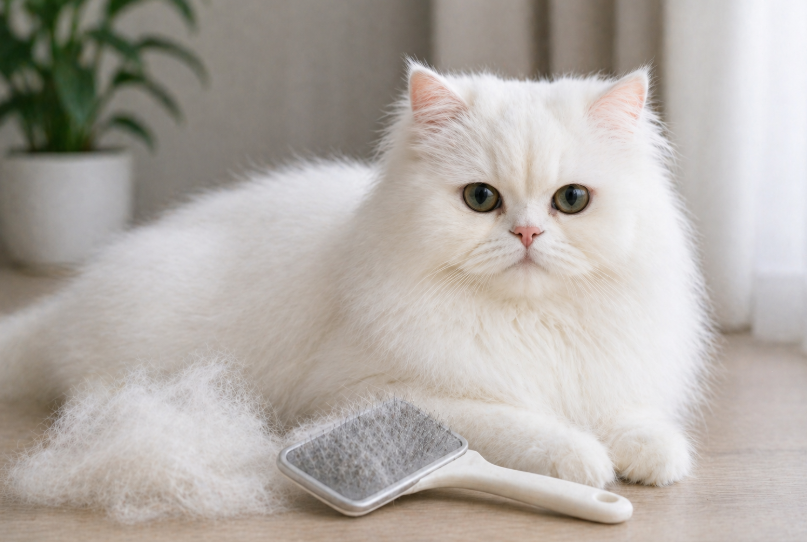
Seasonal shedding can quickly turn your home into a constant battle with loose fur, especially when the weather shifts and your pet begins to lose their coat more heavily. While shedding is completely natural, many pet owners struggle to handle seasonal shedding in a way that feels manageable and stress-free. The good news is that with the right approach, you can control the mess, support your pet’s health, and maintain a cleaner living space without frustration.
Understanding how to handle seasonal shedding starts with recognizing that it is part of your pet’s natural cycle. As temperatures change, pets shed old fur to make room for a new coat that better suits the season. Instead of trying to stop shedding entirely, your goal should be to manage it effectively through grooming, nutrition, and consistent care.
Why Seasonal Shedding Happens
To properly handle seasonal shedding, it helps to understand why it occurs in the first place. Most pets shed more during spring and fall as their bodies adjust to changing daylight and temperatures. During these periods, the coat transitions, which leads to a noticeable increase in loose hair.
Additionally, indoor pets may shed year-round due to artificial lighting and controlled temperatures. This can make it feel like shedding never truly stops. However, even in these cases, seasonal peaks still occur. Recognizing these patterns allows you to prepare and adjust your routine accordingly.
Moreover, factors such as breed, coat type, and overall health influence how much your pet sheds. Long-haired breeds or those with double coats often shed more heavily. Therefore, tailoring your approach based on your pet’s specific needs makes a significant difference.
Building A Consistent Grooming Routine
One of the most effective ways to handle seasonal shedding is through regular grooming. Brushing your pet helps remove loose fur before it ends up on your furniture or floors. More importantly, it prevents matting and keeps the coat healthy.
Choose a brush that suits your pet’s coat type. For example, slicker brushes work well for long-haired pets, while rubber brushes are ideal for short-haired ones. Start with gentle strokes and gradually work through the coat, focusing on areas where shedding is most noticeable.
Consistency matters more than intensity. Instead of long grooming sessions once a week, aim for shorter sessions several times a week. This approach keeps shedding under control without overwhelming your pet. Over time, grooming becomes part of your routine, making it easier to handle seasonal shedding effectively.
Bathing And Coat Maintenance
Bathing can also help you handle seasonal shedding more efficiently. A proper bath loosens dead hair, making it easier to remove during brushing. However, it is important not to overdo it, as frequent bathing can dry out your pet’s skin.
Use a gentle, pet-safe shampoo that supports skin health. After bathing, thoroughly dry your pet and follow up with brushing to remove any remaining loose fur. This combination significantly reduces shedding around your home.
In addition, conditioning products can improve coat strength and reduce breakage. A healthy coat sheds less excessively, which makes maintenance easier. While bathing alone will not stop shedding, it plays an important role in a complete care routine.
The Role Of Nutrition In Shedding Control
Diet plays a crucial role when you want to handle seasonal shedding effectively. A balanced diet supports healthy skin and fur, which reduces excessive hair loss. Poor nutrition, on the other hand, can lead to dry skin and increased shedding.
Look for high-quality pet food that contains essential nutrients such as omega fatty acids. These nutrients help maintain a strong and shiny coat. As a result, your pet sheds more naturally rather than excessively.
Hydration is equally important. Ensure your pet has access to clean water at all times. Proper hydration supports skin elasticity and overall health, which helps regulate shedding. Small dietary improvements can lead to noticeable changes over time.
Keeping Your Home Clean And Fur-Free
While grooming reduces shedding, some fur will always find its way into your home. Therefore, creating a cleaning routine is essential to handle seasonal shedding effectively. Regular vacuuming helps remove loose hair from carpets and furniture.
Using lint rollers or pet hair removers can quickly clean surfaces between deeper cleaning sessions. In addition, washable covers for furniture make maintenance easier during heavy shedding periods.
Air purifiers can also help by capturing floating hair and dander. This not only keeps your home cleaner but also improves air quality. By combining grooming with regular cleaning, you create a system that keeps shedding under control.
Managing Stress And Its Impact On Shedding
Stress can increase shedding, making it harder to handle seasonal shedding effectively. Changes in environment, routine, or even loud noises can trigger excessive hair loss in some pets. Therefore, keeping your pet calm and comfortable is important.
Provide a stable routine and a safe space where your pet can relax. Gentle play and regular interaction also help reduce anxiety. When your pet feels secure, their body is less likely to react with increased shedding.
In addition, pay attention to any sudden changes in shedding patterns. If shedding becomes excessive or unusual, it may indicate stress or an underlying issue that needs attention.
Choosing The Right Tools And Techniques
Using the right tools makes a noticeable difference when trying to handle seasonal shedding. Deshedding tools are designed to remove loose undercoat without damaging the top layer. These tools are especially useful for pets with thick coats.
However, technique is just as important as the tool itself. Always brush in the direction of hair growth and avoid pulling or tugging. Gentle, steady movements keep your pet comfortable and prevent skin irritation.
Introduce new tools gradually, especially if your pet is sensitive. Allow them to get used to the tool before using it fully. This approach ensures a smoother grooming experience and helps maintain trust.
Maintaining A Routine That Works Long-Term
The key to successfully handle seasonal shedding is consistency. Rather than reacting only when shedding becomes noticeable, maintain a routine throughout the year. Regular grooming, proper nutrition, and consistent cleaning all contribute to better results.
Seasonal shedding may still occur, but it becomes far more manageable. Instead of dealing with overwhelming amounts of fur, you stay ahead of the problem. This proactive approach saves time and reduces stress for both you and your pet.
Over time, your pet will also become more comfortable with grooming and care routines. This makes each session easier and more effective, reinforcing the habits that keep shedding under control.
When To Seek Professional Help
Sometimes, even the best home routine may not be enough to handle seasonal shedding. If your pet experiences severe shedding, bald patches, or skin irritation, it may be time to consult a professional.
Veterinarians can identify underlying health issues that contribute to excessive shedding. Professional groomers can also provide specialized treatments that remove large amounts of loose fur safely.
Seeking help does not mean you have failed. Instead, it ensures your pet receives the care they need. Combining professional support with your home routine creates the best outcome for managing shedding.
Conclusion
Learning how to handle seasonal shedding at home does not require complicated solutions. With a balanced approach that includes grooming, nutrition, and regular cleaning, you can keep shedding under control and maintain a comfortable environment. While shedding is a natural process, your efforts can make it far less overwhelming.
By staying consistent and attentive to your pet’s needs, you create a routine that works year-round. Over time, this approach not only reduces the amount of loose fur but also supports your pet’s overall health. In the end, managing shedding becomes a simple part of everyday care rather than a constant challenge.
FAQ
1. How often should I brush my pet during shedding season?
Brushing several times a week helps remove loose fur and keeps shedding under control more effectively.
2. Does diet really affect how much pets shed?
Yes, a balanced diet supports healthy skin and coat, which can reduce excessive shedding.
3. Are deshedding tools safe to use regularly?
They are safe when used correctly and gently, especially for pets with thick or double coats.
4. Can stress cause more shedding in pets?
Yes, stress can increase hair loss, so maintaining a calm environment is important.
5. When should I worry about excessive shedding?
If you notice bald spots, irritation, or sudden changes, consult a veterinarian for proper evaluation.

