
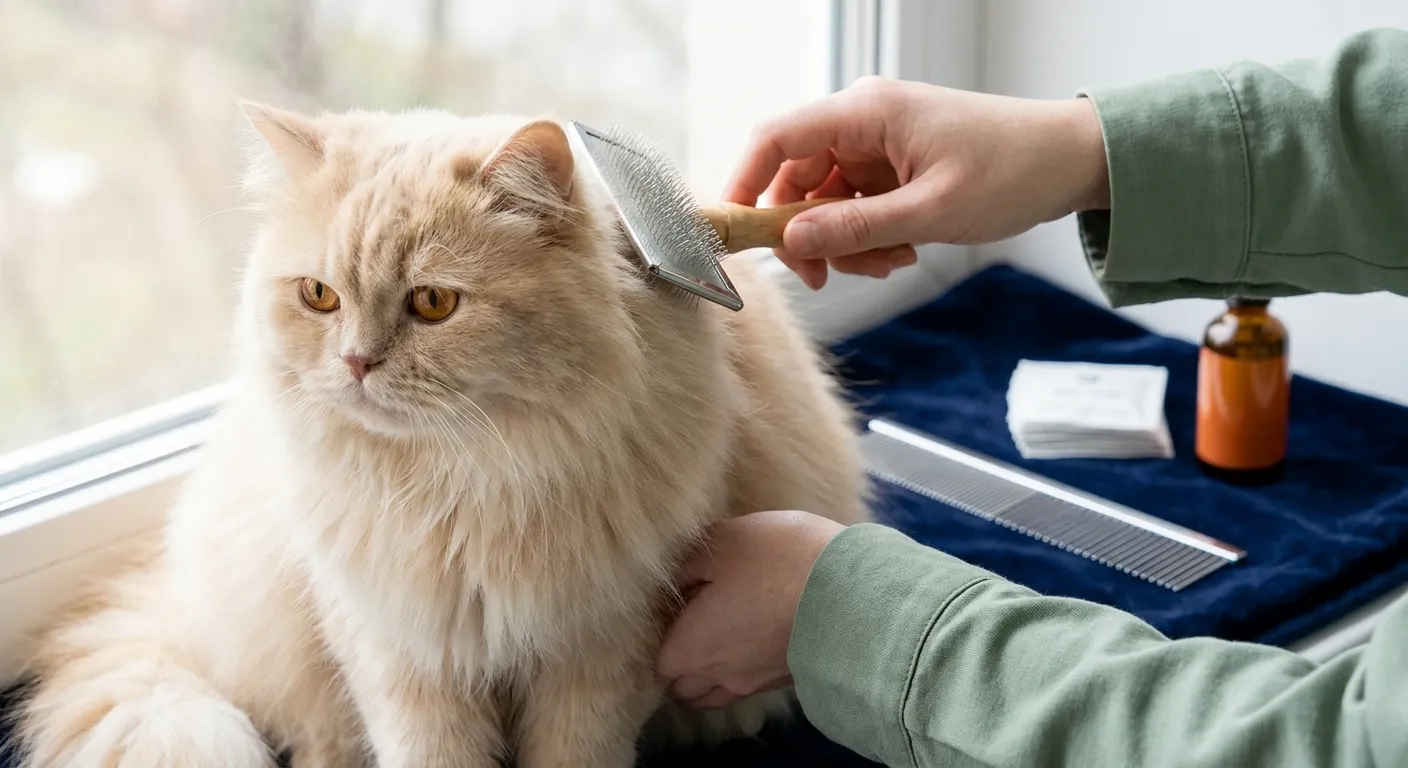
For owners of Persian cats, the commitment to their feline companion’s well-being extends significantly to their grooming routine. Understanding the critical role of Persian cat daily brushing is the first step to ensuring your feline companion’s coat remains pristine and healthy. This isn’t just about aesthetics; it’s a foundational element of their comfort and hygiene, directly impacting their quality of life. As the pet grooming education sector sees robust growth, with increasing emphasis on specialized care, mastering these daily routines is more important than ever.
Why Daily Brushing is Non-Negotiable for Persian Cats
Persian cats are renowned for their magnificent, long, double coats. While stunning, this luxurious fur is highly prone to matting and tangling if not meticulously maintained. Mats can cause significant discomfort, pulling on the skin, restricting movement, and even leading to skin infections. Daily brushing prevents these issues by removing loose hair, distributing natural skin oils, and stimulating circulation. This preventative approach aligns perfectly with the current industry trend towards pet wellness and proactive care, where grooming is viewed as an essential hygiene need rather than a luxury.
Moreover, consistent grooming sessions build a stronger bond between you and your Persian. These dedicated moments become a regular, soothing interaction, fostering trust and comfort. Furthermore, regular grooming helps you monitor your cat’s skin and overall health, allowing for early detection of potential issues. Consequently, integrating this routine into your daily life offers numerous benefits beyond just coat maintenance.
Essential Tools for an Effective Persian Cat Brushing Routine
Having the right tools is half the battle when it comes to effective daily grooming. For Persian cats, a combination of specialized brushes and combs is indispensable:
- Slicker Brush: Ideal for removing loose hair and surface mats. Choose one with fine, wire bristles that are angled to prevent scratching the skin. Gentle strokes are key.
- Metal Comb (Wide-toothed and Fine-toothed): A wide-toothed comb is excellent for working through larger tangles, while a fine-toothed comb helps to check for smaller knots and removes debris. Always use a metal comb with rounded teeth to avoid irritation.
- Pin Brush: Great for general detangling and fluffing the coat, especially after a slicker brush has done the initial work. Look for pins with rounded tips.
- Grooming Powder (Optional but Recommended): A high-quality grooming powder can help absorb excess oil, add volume, and make the coat easier to brush, particularly in areas prone to greasiness.
In addition, a good pair of blunt-nosed scissors can be helpful for carefully snipping out small, stubborn mats that cannot be brushed out. However, extreme caution is necessary when using scissors near a cat’s skin. You might also consider investing in a grooming glove for a more comfortable experience for both you and your cat, especially during the initial stages of training.
Step-by-Step Guide to Your Persian’s Daily Brushing Session
Dedicate 10-30 minutes each day to this vital routine. Consistency is far more effective than infrequent, long sessions. Therefore, try to establish a regular time each day.
- Preparation: Find a quiet, comfortable space. Gently place your Persian on a stable surface. A non-slip mat can provide extra security. Have all your tools within easy reach.
- Start with a Pin Brush: Begin by gently brushing the entire coat with a pin brush. This helps to loosen any surface tangles and remove loose hair without pulling. Work in sections, always brushing in the direction of hair growth.
- Address Tangles with a Metal Comb: Next, use the wide-toothed metal comb to carefully work through any tangles or small mats. Hold the hair at the base near the skin to minimize pulling. Gently tease apart the knots, rather than yanking through them. If you encounter significant matting, remember that advanced Persian cat de-shedding techniques might be necessary, and professional help should be considered for severe cases.
- Slicker Brush for Loose Hair: Once major tangles are resolved, use the slicker brush. Employ short, gentle strokes, again working in sections. This brush effectively removes dead undercoat and further smooths the topcoat. Pay special attention to areas prone to matting, such as under the legs, behind the ears, and around the ruff.
- Fine-toothed Comb Finish: Finish with the fine-toothed metal comb to ensure no small knots remain. This step also helps distribute natural oils and leaves the coat looking sleek.
- Reward and Praise: Always end the session with praise, gentle petting, and perhaps a small treat. This positive reinforcement makes the experience enjoyable for your cat.
Remember, patience is crucial. If your Persian is new to grooming, start with very short sessions and gradually increase the duration. Over time, they will come to associate daily grooming with positive experiences.
Targeting Trouble Spots: Areas Prone to Matting
Certain areas on a Persian cat’s body are particularly susceptible to matting due to friction, movement, or greater hair density. Consequently, these spots require extra attention during your Persian cat daily brushing routine:
- Armpits and Groin: These areas experience a lot of rubbing and movement, making them prime spots for mats. Be extra gentle here, as the skin is delicate.
- Behind the Ears: Mats can quickly form here, often going unnoticed. Lift the ears gently to check and brush thoroughly.
- Under the Chin/Ruff: The dense fur around the neck and chest can easily tangle. Brush against the grain here sometimes to ensure you reach the undercoat.
- Tail: While beautiful, the tail can collect debris and form mats. Brush it carefully, making sure to support the base of the tail.
- Pants (Back of Hind Legs): This long fur can also tangle easily, especially if your cat is active.
Paying diligent attention to these zones during your holistic guide to seasonal coat care and daily brushing sessions can significantly reduce the risk of discomfort and skin issues. Regular checks in these areas are a proactive measure for their well-being.
Beyond the Brush: Complementary Grooming Practices
While daily brushing is paramount, it’s part of a larger grooming regimen for your Persian cat. Other practices further contribute to a healthy coat and overall well-being:
- Bathing: Occasional baths, typically every 4-6 weeks, help remove dirt, excess oil, and loose hair that brushing alone might miss. Learn more about stress-free techniques for bathing your Persian cat to make this a positive experience.
- Tear Stain Management: Persian cats are prone to tear staining. Regular cleaning of the eye area prevents unsightly stains and potential irritation. For detailed guidance, explore our article on advanced and sustainable solutions for Persian cat tear stains.
- Nail Trimming: Regular nail trims prevent overgrown claws that can snag, break, or cause discomfort. Our gentle approach to nail trimming for Persian cats provides helpful tips.
- Ear Cleaning: Check and clean your Persian’s ears regularly to prevent wax buildup and infections. Consult our step-by-step guide to gentle ear cleaning for Persian cats for proper technique.
- Nutrition: A healthy diet plays a significant role in coat health. A balanced diet rich in essential fatty acids contributes to a shiny, strong coat. For further information, read about the link between nutrition and a healthy Persian cat coat.
By integrating these practices with your Persian cat daily brushing, you ensure a comprehensive approach to their grooming needs. Each element supports the others, contributing to a truly pristine and healthy feline.
The Health Benefits of Consistent Coat Care
The benefits of diligent grooming extend far beyond a beautiful appearance. Consistent coat care, particularly Persian cat daily brushing, is a cornerstone of their overall health. For example, it significantly reduces the risk of skin irritations and infections that can arise from matted fur trapping moisture and debris. Mats can also hide parasites, making early detection difficult.
Furthermore, regular brushing stimulates blood circulation, which promotes healthy skin and hair growth. It also helps to distribute natural skin oils throughout the coat, providing a protective barrier and natural sheen. This routine also minimizes hairballs, a common issue for long-haired cats, as loose hair is removed before it can be ingested during self-grooming. In fact, fewer hairballs mean a healthier digestive system for your beloved pet. You can learn more about general cat grooming tips from the ASPCA, which often highlight the importance of routine care.
Moreover, the tactile interaction during grooming allows you to routinely check for lumps, bumps, parasites, or any changes in your cat’s skin or body that might indicate a health issue. Early detection of such problems can be life-saving. Therefore, daily brushing becomes a vital health check. This proactive approach to health aligns with modern veterinary recommendations for preventative pet care. For additional insights into feline health, resources like Cornell Feline Health Center offer valuable information on various cat-related topics.
Overcoming Grooming Challenges and Building Positive Habits
Some Persian cats may not initially enjoy grooming. However, patience and positive reinforcement can transform their experience. Start grooming sessions when your cat is relaxed, perhaps after a meal or a play session. Keep initial sessions short and gradually increase duration as your cat becomes more comfortable. Use treats, praise, and gentle words to create a positive association.
If your cat resists, do not force them. Instead, take a break and try again later. Consistency is key, but so is understanding your cat’s temperament. For kittens, beginning grooming your Persian kitten for a lifetime of health early on can make a significant difference, as they adapt more easily to routines. Remember, the goal is to make grooming a pleasant, bonding experience, not a stressful one. Building trust during these sessions is paramount for long-term success.
Conclusion: The Lasting Impact of Daily Grooming
Mastering Persian cat daily brushing is more than just a chore; it’s an act of love and a critical component of responsible pet ownership. This consistent routine ensures your Persian’s magnificent coat remains healthy, mat-free, and beautiful. Furthermore, it strengthens the bond you share, fosters their comfort, and allows for crucial health monitoring. By dedicating time each day to this essential practice, you are investing in your Persian cat’s lifelong well-being and happiness. Ultimately, a well-groomed Persian is a healthy and content Persian, reflecting the care and dedication of their owner.
FAQ Section
Why is daily brushing so important for Persian cats?
Persian cats have long, dense double coats that are highly prone to matting. Regular brushing helps remove loose hair, prevents tangles, distributes natural oils, and stimulates circulation, all of which contribute to a healthy, comfortable coat and prevent skin issues.
What tools do I need for my Persian cat’s coat care?
Essential tools include a slicker brush, a wide-toothed metal comb, a fine-toothed metal comb, and a pin brush. Grooming powder can also be beneficial. Always choose tools with rounded tips to protect your cat’s delicate skin.
How long should a brushing session last?
Aim for 10-30 minutes each day. Consistency is more important than length. Shorter, regular sessions are more effective and less stressful for your cat than infrequent, long sessions.
Can regular brushing help with hairballs?
Yes, absolutely. Daily brushing removes a significant amount of loose hair from your Persian’s coat, which means less hair will be ingested during their self-grooming, thereby reducing the formation and frequency of hairballs.
My Persian cat dislikes being brushed. What should I do?
Start with very short sessions (a few minutes) when your cat is relaxed. Use treats, praise, and gentle handling to create positive associations. Never force them. Gradually increase the duration as they become more comfortable. Patience and positive reinforcement are key to building a cooperative grooming routine.

