
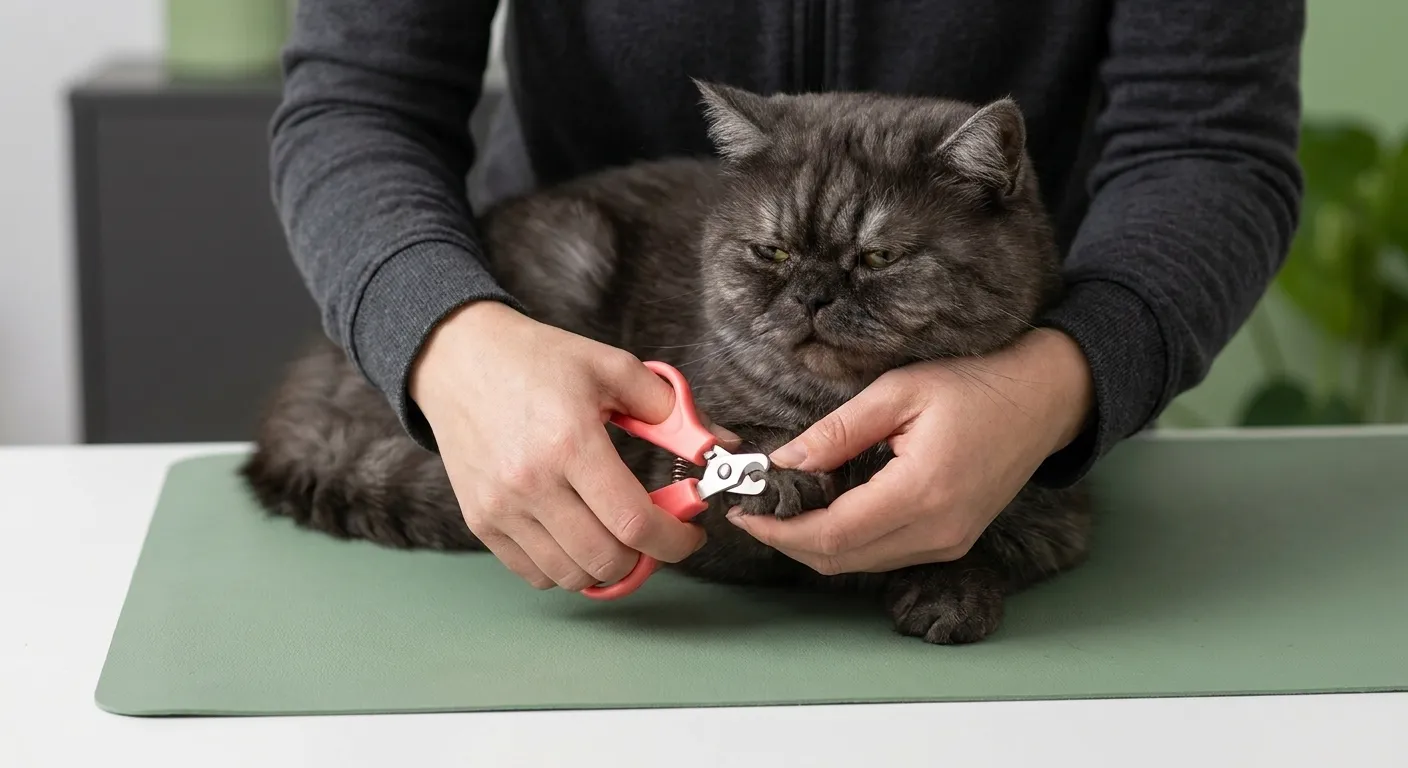
Persian cat nail trimming is an essential, yet often dreaded, part of their regular grooming routine. Untrimmed claws can become overgrown, causing discomfort, affecting their gait, and even leading to painful ingrown nails or snagging on furniture. A gentle approach to this task is paramount, not only to prevent injury but also to maintain a positive grooming experience for your feline companion. With patience, the right tools, and a calm demeanor, you can make this necessary task stress-free for both of you. In fact, mastering this skill is crucial for your Persian’s overall well-being and comfort.
Understanding Your Persian Cat’s Claws
Before beginning any nail care, it’s helpful to understand the anatomy of your Persian cat’s claws. Each claw consists of a sharp, outer keratinized sheath and an inner core called the quick. The quick contains blood vessels and nerves, making it a highly sensitive area. Cutting into the quick can cause pain and bleeding, which can understandably make your cat fearful of future sessions. Therefore, identifying the quick is the most critical step in safe nail maintenance. Furthermore, regular inspection of your cat’s paws will help you notice any issues early.
Persian cats, like all felines, have retractable claws. This means they can extend and retract their claws at will. However, if claws become too long, they may not fully retract, leading to discomfort when walking and potentially causing the nails to grow into the paw pads. This can result in infections or severe pain. Consequently, consistent attention to claw length is vital. Moreover, long nails can get caught on carpets or furniture, leading to injury.
The Right Tools and a Calm Environment for Nail Care
Before you begin, ensure you have the correct tools. High-quality, cat-specific nail clippers are essential; you can choose between scissor-style or guillotine-style, depending on what feels most comfortable for you. Additionally, always have styptic powder on hand in case you accidentally cut too far and cause bleeding. This powder helps to stop the bleeding quickly and effectively. Furthermore, a good quality clipper makes the process smoother.
Choosing a quiet, well-lit area is also crucial. This ensures both you and your cat can be comfortable and focused. Avoid times when your cat is overly playful or agitated. Instead, opt for a moment when they are relaxed, perhaps after a nap or a meal. Holding your cat gently but securely, perhaps wrapped in a soft towel if they are squirmy, can help provide a sense of security. The key to successful Persian cat nail trimming is creating a calm and reassuring atmosphere. Offering treats before, during, and after the process can also create positive associations, making future trims easier. Indeed, positive reinforcement is incredibly effective.
Gentle Technique and Avoiding the Quick During Persian Cat Nail Trimming
To trim, gently press on your cat’s paw pad to extend the nail. You’ll see the translucent tip of the nail and, if your cat has light-colored nails, a pinkish area called the quick. The quick contains blood vessels and nerves, so cutting into it will cause pain and bleeding. Only trim the sharp, clear tip of the nail, just before the quick. If your cat has dark nails, it’s safer to trim only small slivers at a time to avoid the quick. This cautious approach minimizes risk. Alternatively, you can shine a light from behind the nail to better see the quick.
Trim one or two nails at a time, especially when starting, and then give your cat a break. Gradually increase the number of nails you trim per session as your cat becomes more accustomed. Regular, short sessions of Persian cat nail trimming are far better than infrequent, stressful ones, ensuring your cat’s paws remain healthy and comfortable. Remember, consistency builds trust. Moreover, don’t rush the process; patience is key to success.
Making Nail Trimming a Positive Experience
For many Persian cats, nail maintenance can be a source of anxiety. Therefore, it’s vital to introduce the process gradually and positively. Start by simply handling your cat’s paws regularly, gently pressing on the pads without actually trimming. This helps them get used to the sensation. Offer treats and praise during these sessions. Over time, they will associate paw handling with positive rewards. Consequently, their resistance will likely decrease.
Another effective strategy is counter-conditioning. If your cat shows signs of stress during the process, stop immediately and try again later. Never punish your cat for being uncooperative, as this will only worsen their fear. Instead, associate the clippers with something positive, such as a favorite treat or playtime. For example, show them the clippers, give a treat, then put the clippers away. Repeat this several times over days or weeks until they no longer react negatively to the sight of the clippers. This gradual exposure is extremely beneficial.
Preventing Common Issues and Maintaining Paw Health
Regular nail care is not just about preventing discomfort; it’s also about preventing serious health issues. Overgrown nails can curl back into the paw pad, causing painful infections and difficulty walking. In severe cases, this might even require veterinary intervention. Furthermore, long nails can alter your cat’s gait, leading to joint problems over time. Therefore, consistent care is a preventative measure for long-term health.
Consider establishing a routine for Persian cat nail trimming. For most Persian cats, trimming every 2-4 weeks is ideal, but this can vary depending on your cat’s activity level and natural nail growth rate. Kittens may need more frequent trims as their nails are very sharp. Additionally, older cats might have thicker nails requiring more attention. If you are unsure about the frequency or technique, consult with your veterinarian or a professional groomer. They can demonstrate the correct method and provide personalized advice. The ASPCA offers helpful guidelines on cat nail care.
When to Seek Professional Help
While many owners can successfully perform Persian cat nail trimming at home, there are times when professional assistance is advisable. If your cat is extremely resistant, aggressive, or if you consistently struggle to find the quick, a professional groomer or veterinary technician can help. They have the experience and techniques to handle even the most challenging cats safely. Moreover, they can teach you proper handling methods.
Furthermore, if your cat has any underlying health conditions, such as arthritis, which makes handling their paws painful, a vet visit is recommended. They can assess your cat’s comfort level and suggest appropriate strategies or even perform the trimming themselves. Remember, your cat’s well-being is the top priority. The American Animal Hospital Association (AAHA) provides resources for finding accredited veterinary care.
Conclusion
Mastering Persian cat nail trimming is an invaluable skill for any owner. It contributes significantly to your cat’s comfort, health, and overall happiness. By understanding their claw anatomy, using the right tools, employing gentle techniques, and creating positive associations, you can transform this potentially stressful task into a manageable and even routine part of your grooming schedule. Consistency and patience are your greatest allies in this endeavor. Ultimately, a well-groomed Persian is a happy and healthy Persian.
FAQ
How often should I trim my Persian cat’s claws?
Typically, a Persian cat’s claw length should be checked and trimmed every 2 to 4 weeks. However, this frequency can vary based on your cat’s activity level and how quickly their nails grow. Regular checks are always recommended.
What should I do if I accidentally cut the quick?
If you accidentally cut the quick, remain calm. Apply styptic powder directly to the bleeding nail. If you don’t have styptic powder, cornstarch or flour can be used as a temporary measure. Apply pressure until the bleeding stops. If bleeding persists, contact your veterinarian.
My Persian cat hates having their paws touched. How can I make grooming easier?
Start by gradually desensitizing your cat to paw handling. Gently touch their paws for short periods, always followed by a treat and praise. Slowly increase the duration and intensity of the touch. Introduce the clippers visually, then audibly, always with positive reinforcement, before attempting any actual trimming. Patience is key for this process.
Are there different types of claw clippers for cats?
Yes, there are primarily two types: scissor-style and guillotine-style clippers. Scissor-style clippers resemble small scissors and are often preferred for their ease of use and precision. Guillotine-style clippers have a hole where you insert the nail, and a blade cuts it. Experiment to see which type you find most comfortable and effective for your cat’s nails.
Can a veterinarian or groomer help with my cat’s claw care?
Absolutely. If you’re uncomfortable or unable to perform regular claw maintenance yourself, a professional groomer or veterinary technician can assist. They can also provide demonstrations and guidance on the best techniques for your specific cat, helping you build confidence for future sessions.

