
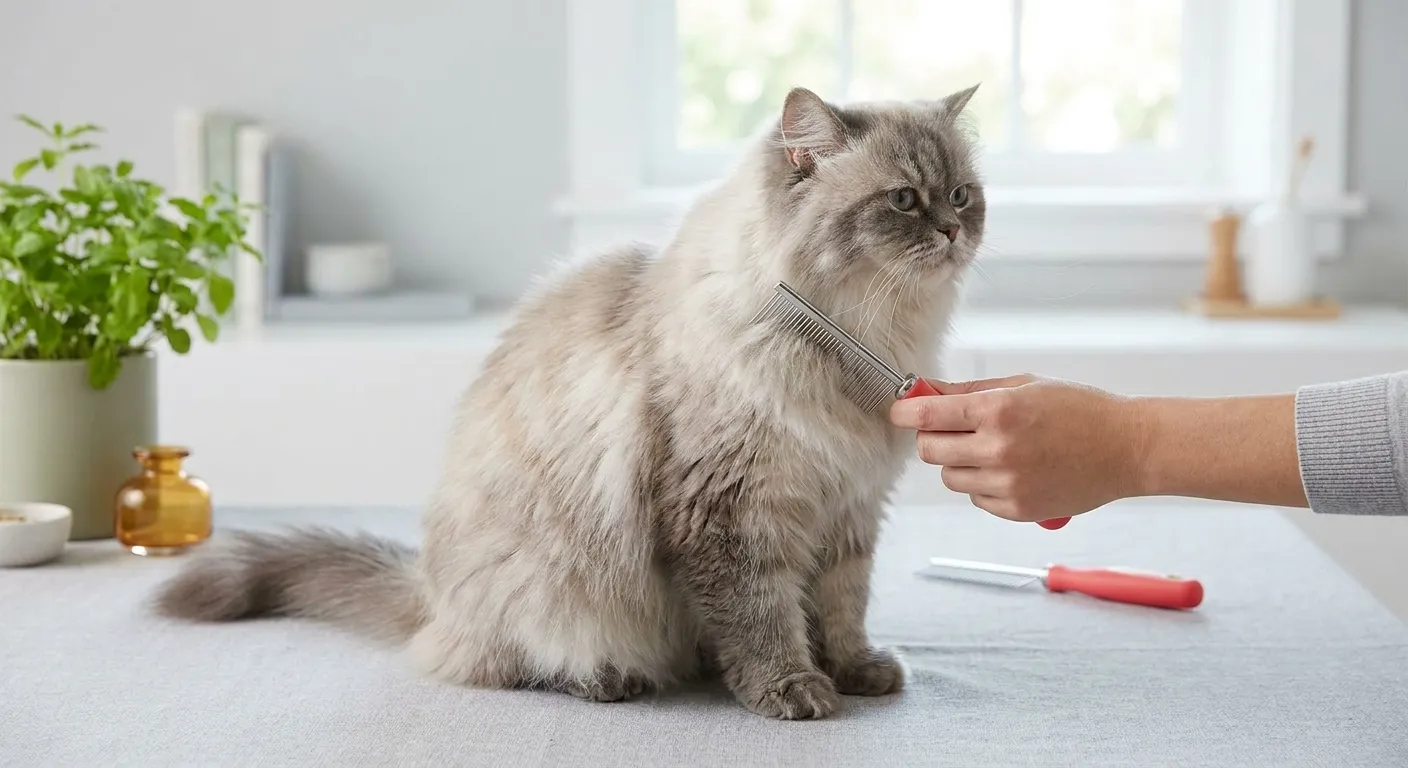
For Persian cat owners, the challenge to prevent matting Persian cats is ever-present, demanding specialized knowledge and consistent effort. While daily brushing is the cornerstone of coat maintenance, a truly mat-free existence requires a more comprehensive strategy. The unique double coat of a Persian, coupled with their often sedentary nature, makes them particularly susceptible to tangles that can quickly escalate into painful, skin-damaging mats. This article delves into advanced preventative measures, moving beyond generic advice to address the specific needs of these magnificent felines, aligning with the growing industry demand for specialized pet care and advanced grooming techniques.
Understanding the Matting Menace in Persian Coats
Mats form when shed hair becomes intertwined with live hair, creating dense clumps that pull on the skin. For Persian cats, the combination of a long outer coat and a dense, woolly undercoat creates a perfect storm for matting. Common areas include the armpits, behind the ears, the ‘pants’, and the belly. If left untreated, mats can lead to severe skin irritation, infections, and even restrict blood flow. The emphasis on pet wellness in the grooming industry highlights the importance of proactive prevention to ensure comfort and health, a key driver in the projected $13 billion U.S. pet grooming services market by 2026.
Advanced Preventative Measures: More Than Just Brushing
While daily brushing is crucial, integrating these additional strategies will significantly help to prevent matting Persian cats:
1. Strategic Bathing and Drying Techniques
Periodic bathing every 4-6 weeks is crucial for Persian cats. It helps remove dirt, dander, and excess oils that can contribute to matting. However, the bathing process itself requires precision:
- Pre-Bath Detangling: Never bathe a matted cat. Water will tighten mats, making them impossible to remove. Thoroughly brush and detangle your Persian before the bath.
- High-Quality Products: Use shampoos and conditioners specifically designed for long-haired cats, focusing on moisturizing and detangling properties. Products formulated to reduce static can also be beneficial.
- Proper Rinsing: Rinse thoroughly to remove all shampoo and conditioner residue, which can attract dirt and cause stickiness, leading to mats.
- Efficient Drying: This is perhaps the most critical step. Towel dry gently, then use a pet-specific force dryer on a cool setting. Brush the coat while drying to ensure every strand is separated and dried completely. Allowing a Persian’s coat to air dry is an open invitation for mats. For more detailed guidance, consider our article on Bathing Your Persian Cat: Stress-Free Techniques for a Clean Coat.
2. Regular Sanitary Trims and Lion Cuts
For some Persian cats, especially those prone to severe matting or with very dense coats, professional trims can be a significant aid. Sanitary trims around the hindquarters, belly, and armpits can prevent mats in these high-friction areas. These trims reduce the amount of hair that can tangle and collect debris. Furthermore, a full lion cut, where the body hair is clipped short, can be an excellent option for cats with chronic matting issues or for those in warmer climates. This allows the skin to breathe and offers a fresh start for coat regrowth. Regular professional grooming appointments can ensure these trims are performed safely and effectively.
3. The Right Tools for the Job
Having the correct grooming tools is non-negotiable for Persian cat owners. A high-quality metal comb with both fine and wide teeth is essential for checking for tangles and working through minor knots. Additionally, a slicker brush can help remove loose undercoat, while a pin brush is effective for the longer guard hairs. Moreover, a dematting tool or mat splitter should be used with extreme caution and only for small, superficial mats. It is important to avoid pulling on the skin. Investing in good quality tools from reputable brands will make the grooming process more effective and comfortable for your cat. You can learn more about Advanced Persian Cat De-shedding Techniques for maintaining a pristine coat.
4. Environmental Controls and Lifestyle Adjustments
A cat’s environment plays a substantial role in coat health. A clean home environment reduces the amount of dust, dirt, and debris that can get trapped in the coat. Regularly vacuuming and cleaning your cat’s bedding can make a difference. Furthermore, consider a humidifier in dry climates, as static electricity can contribute to tangles and matting. A well-hydrated cat with a healthy diet is also less prone to coat issues. Ensure your Persian has access to fresh water and is fed a high-quality diet rich in omega fatty acids, which support skin and coat health. For more insights, explore The Link Between Nutrition and a Healthy Persian Cat Coat.
5. Addressing Underlying Health Issues
Sometimes, excessive matting can be a symptom of an underlying health problem. Conditions such as arthritis, dental disease, or obesity can make it difficult for a Persian cat to groom themselves effectively, leading to increased matting. Parasites, allergies, or skin infections can also affect coat quality and contribute to tangles. Regular veterinary check-ups are therefore crucial to rule out any medical conditions that might be impacting your cat’s ability to maintain a healthy coat. Addressing these issues promptly is vital not only for preventing mats but also for your cat’s overall well-being. Ensuring your cat is healthy from the inside out is a key strategy to prevent matting Persian cats.
The Importance of Consistency and Patience
Grooming a Persian cat requires dedication and a calm approach. Establishing a consistent daily or every-other-day grooming routine from a young age can help your cat become accustomed to the process. Positive reinforcement, such as treats and praise, can create a pleasant experience. Furthermore, patience is key; never force grooming on a reluctant cat. Short, frequent sessions are often more effective than long, stressful ones. Remember, the goal is not just to remove mats but to prevent matting Persian cats in the first place, fostering a bond of trust and comfort during grooming.
When Professional Help is Needed
Despite all preventative efforts, some mats may still occur. If you encounter large, dense, or painful mats, it is always best to seek professional help from a certified groomer or veterinarian. Attempting to cut out severe mats yourself can be dangerous, potentially causing injury to your cat’s delicate skin. Professional groomers have the specialized tools, expertise, and training to safely and humanely remove mats. They can also provide advice on ongoing preventative care tailored to your cat’s specific coat type and lifestyle. Understanding when to call in an expert is a crucial aspect of responsible Persian cat ownership. To understand different coat types, refer to our article on Understanding Persian Cat Coat Types: Tailoring Your Grooming Routine.
Long-Term Strategies for a Mat-Free Life
Sustaining a mat-free coat for your Persian cat involves a holistic approach that extends beyond daily brushing. Regularly inspecting your cat’s coat during petting sessions can help you catch small tangles before they escalate. Pay particular attention to areas prone to matting, such as under the legs and around the collar. Moreover, consider using a high-quality leave-in conditioning spray between baths to keep the coat moisturized and reduce static. This makes the hair less prone to tangling. Additionally, educating yourself continually about Persian cat grooming techniques and coat care will empower you to adapt your routine as your cat ages or as their coat changes. This proactive and informed approach will significantly help to prevent matting Persian cats throughout their lives.
Ultimately, a beautiful, mat-free coat is a testament to consistent care and a deep understanding of your Persian cat’s unique needs. By implementing these advanced strategies, you are not only maintaining their appearance but also contributing significantly to their comfort and overall health. Remember, prevention is always less stressful and more beneficial than attempting to remedy severe matting. With dedication, the right tools, and a comprehensive approach, you can ensure your beloved Persian enjoys a life free from the discomfort of mats. This commitment is crucial to prevent matting Persian cats effectively.
For further reading on pet grooming market trends and insights, you can consult resources like the Statista Pet Grooming Services Market Report. Additionally, for general information on cat health and care, the ASPCA’s General Cat Care guidelines can be a valuable resource.
FAQ
What are the primary causes of coat tangles in long-haired cats?
Coat tangles in long-haired cats, especially Persians, primarily result from shed hair intertwining with live hair. Factors like infrequent grooming, inadequate bathing and drying, sedentary lifestyles, and even underlying health issues can contribute to this problem.
How often should I bathe my Persian to avoid dense clumps?
Bathing your Persian cat every 4-6 weeks is generally recommended to help remove dirt, dander, and excess oils that can lead to tangles. Always ensure thorough pre-bath detangling and complete drying to prevent tightening existing knots.
Are there specific dietary supplements that can improve coat health and reduce tangles?
Yes, supplements rich in omega-3 and omega-6 fatty acids, such as fish oil or flaxseed oil, can significantly improve skin and coat health, making the fur less prone to tangling and matting. Always consult your vet before introducing new supplements.
What is the benefit of a lion cut for Persian cats with severe matting issues?
A lion cut, where the body hair is clipped short, offers a fresh start for cats with severe or chronic matting. It allows the skin to breathe, helps resolve existing mats safely, and provides an opportunity for the coat to regrow healthier. It is a practical measure to manage severe coat challenges.
Can environmental factors contribute to my cat’s coat becoming tangled?
Absolutely. A dusty home, high humidity, or excessive static electricity can all contribute to a Persian cat’s coat becoming tangled. Maintaining a clean living space and considering a humidifier in dry environments can help mitigate these issues.

