
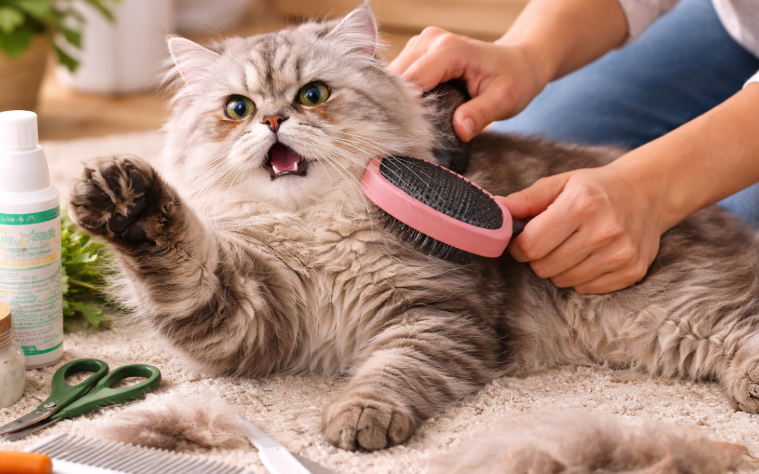
If you have ever struggled to brush or bathe your cat, you are not alone. Many pet owners quickly discover why cats resist grooming, often after a scratched hand or a sudden escape attempt. While grooming is essential for your cat’s health, it does not always come naturally to them when humans are involved. Understanding why cats resist grooming is the first step toward making the experience calmer, safer, and more successful for both you and your cat.
At first, resistance may seem like stubborn behavior. However, there is usually a deeper reason behind it. Cats are sensitive animals that rely heavily on routine, comfort, and control over their environment. When grooming disrupts that balance, they react defensively. Therefore, learning why cats resist grooming helps you approach the situation with more patience and better strategies.
Natural Instincts And Sensitivity
One of the main reasons why cats resist grooming lies in their natural instincts. Cats are known for grooming themselves, and they are very particular about how it is done. When a human steps in, it can feel unfamiliar and uncomfortable. As a result, your cat may see grooming as an intrusion rather than a helpful act.
Cats also have highly sensitive skin. Even gentle brushing can feel overwhelming if it is done incorrectly or too often. For example, using the wrong type of brush may pull on their fur or irritate their skin. Because of this, your cat may associate grooming with discomfort and try to avoid it.
In addition, cats prefer to be in control of their bodies. When they are held or restrained during grooming, they may feel trapped. This feeling often triggers resistance, making it clear why cats resist grooming even when the intention is good.
Negative Past Experiences
Another important factor in why cats resist grooming is past experience. If your cat has ever had a painful or stressful grooming session, they are likely to remember it. Cats have strong memories, especially when it comes to discomfort or fear.
For instance, a rough brushing session that caused pain can create lasting anxiety. Similarly, forced bathing or loud grooming tools may leave a negative impression. Over time, your cat begins to associate grooming with stress, which leads to resistance.
Because of this, rebuilding trust becomes essential. Gentle handling and positive reinforcement can help your cat feel safe again. Understanding this connection between memory and behavior is key when addressing why cats resist grooming.
Fear Of New Sounds And Tools
Grooming often involves tools that are unfamiliar to cats. Clippers, brushes, and even running water can create sounds that trigger fear. This fear plays a major role in why cats resist grooming, especially if they are not used to these sensations.
Cats rely on their senses to stay alert and safe. Sudden noises or vibrations can feel threatening, even if they are harmless. As a result, your cat may react by trying to escape or defend itself.
Introducing grooming tools gradually can make a big difference. Allowing your cat to sniff and explore the tools before using them helps reduce fear. Over time, this approach can ease the tension and make grooming less stressful.
Lack Of Early Grooming Exposure
Early experiences shape how cats respond to grooming later in life. Kittens that are handled gently and introduced to grooming at a young age are more likely to accept it as adults. On the other hand, cats that were not exposed to grooming early may find it unfamiliar and stressful.
This lack of exposure is a common reason why cats resist grooming. Without positive early experiences, grooming feels like a sudden and unwanted change. Therefore, introducing grooming slowly and consistently is important, even for older cats.
Building a routine helps your cat understand what to expect. When grooming becomes predictable, it feels less threatening. This approach gradually reduces resistance and improves cooperation.
Underlying Health Or Skin Issues
Sometimes, resistance to grooming may be linked to physical discomfort. Skin conditions, matting, or injuries can make grooming painful. In these cases, your cat is not simply being difficult but is reacting to discomfort.
This is another important reason why cats resist grooming. If brushing causes pain, your cat will naturally try to avoid it. Checking for signs such as redness, lumps, or excessive shedding can help identify potential issues.
If you suspect a health problem, consulting a veterinarian is the best step. Addressing the underlying issue can make grooming more comfortable and reduce resistance over time.
How To Make Grooming Easier
Once you understand why cats resist grooming, you can begin to make changes that improve the experience. Start by choosing the right tools for your cat’s coat type. Soft brushes and gentle combs are often better for sensitive cats.
Next, keep grooming sessions short and calm. Instead of trying to do everything at once, focus on small, manageable steps. This helps your cat stay relaxed and prevents overwhelming them.
Positive reinforcement also plays a key role. Offering treats or praise after grooming sessions helps create a positive association. Over time, your cat begins to see grooming as a rewarding experience rather than a stressful one.
Creating a calm environment is equally important. Choose a quiet space where your cat feels safe. Avoid loud noises and sudden movements that could trigger anxiety. These simple adjustments can make a significant difference.
Building Trust Over Time
Patience is essential when dealing with grooming resistance. Trust cannot be built overnight, especially if your cat has had negative experiences in the past. Taking a gradual approach allows your cat to feel more comfortable.
Start by simply touching and handling your cat gently without grooming tools. This helps them get used to physical contact. Once they are relaxed, you can slowly introduce brushing.
Consistency is key. Regular, gentle sessions help your cat understand that grooming is not a threat. Over time, this reduces fear and builds confidence. This process directly addresses why cats resist grooming and helps create a more positive experience.
When Professional Grooming Helps
In some cases, professional grooming may be the best option. Groomers have experience handling cats and can perform grooming tasks safely and efficiently. This is especially helpful for cats with severe matting or strong resistance.
However, choosing a cat-friendly groomer is important. Look for professionals who use gentle techniques and understand feline behavior. A positive grooming experience with a professional can help reduce fear and improve future sessions at home.
Even if you rely on professional help, maintaining basic grooming at home is still important. Combining both approaches ensures your cat stays clean and comfortable.
Conclusion
Understanding why cats resist grooming is the foundation for creating a better experience for both you and your cat. Resistance is rarely about stubbornness. Instead, it is usually linked to instinct, fear, discomfort, or past experiences.
By approaching grooming with patience and care, you can reduce stress and build trust. Gentle techniques, proper tools, and positive reinforcement all play a role in making grooming easier. Over time, your cat can learn to accept grooming as a normal and even enjoyable part of their routine.
With consistency and understanding, you can turn a stressful task into a calm and manageable experience. This not only improves your cat’s appearance but also supports their overall health and well-being.
FAQ
1. Why does my cat get aggressive during grooming?
Aggression often comes from fear or discomfort, especially if your cat has had a negative experience before.
2. How can I calm my cat before grooming?
Creating a quiet environment and using gentle handling can help your cat feel more relaxed.
3. Is it okay to force my cat to be groomed?
No, forcing grooming can increase fear and make future sessions more difficult.
4. How often should I groom my cat?
It depends on the coat type, but regular brushing helps prevent mats and keeps the coat healthy.
5. Can a vet help with grooming issues?
Yes, a veterinarian can check for underlying health problems and provide guidance on safe grooming practices.

