
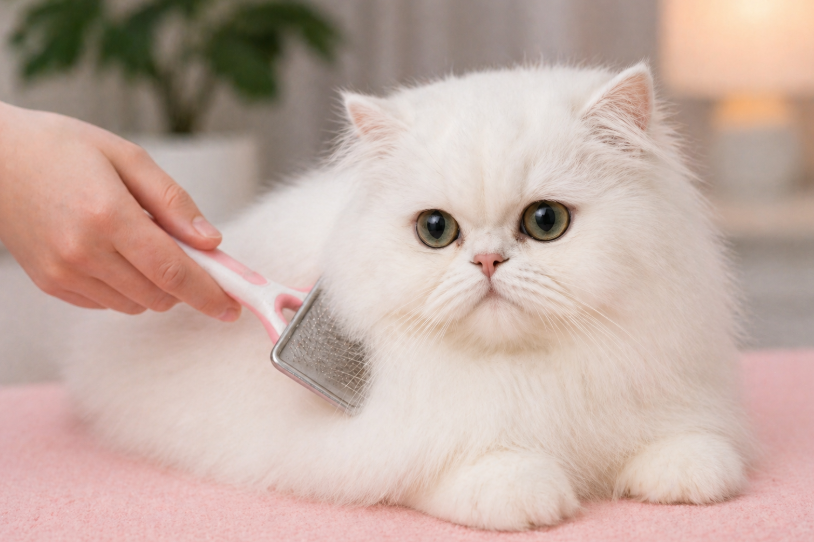
Grooming a nervous cat can feel overwhelming, especially when your pet reacts with fear or resistance at the slightest touch. However, with the right approach, patience, and understanding, grooming a nervous cat becomes a calm and manageable process. Instead of forcing the experience, the goal is to build trust slowly so your cat feels safe throughout every step. When done properly, grooming not only keeps your cat clean but also strengthens your bond over time.
Many cats become anxious during grooming because they associate it with discomfort or unfamiliar handling. Therefore, changing that association is key. By creating a gentle routine and reading your cat’s signals, you can turn grooming into a positive experience rather than a stressful event.
Understanding Why Cats Become Nervous During Grooming
Before you begin grooming a nervous cat, it is important to understand what causes the anxiety. Cats are naturally sensitive to touch, sound, and sudden movements. If grooming feels unpredictable, they may react defensively. In addition, past negative experiences can make them more cautious during future sessions.
Some cats are also more sensitive due to their personality or environment. For example, a rescue cat or one that has not been handled frequently may feel more threatened. Because of this, every grooming session should start with observation rather than action. Notice how your cat reacts to being touched, especially around sensitive areas like the paws, ears, and belly.
Once you understand your cat’s triggers, you can adjust your approach. This step alone makes grooming a nervous cat far more effective and less stressful for both of you.
Creating A Calm And Safe Environment
A calm setting plays a major role when grooming a nervous cat. Loud noises, bright lights, or sudden movements can quickly increase anxiety. Instead, choose a quiet space where your cat already feels comfortable. This could be a favorite resting spot or a familiar room.
Timing also matters. Groom your cat when they are naturally relaxed, such as after a meal or a nap. At this point, they are less likely to resist handling. Additionally, keeping sessions short helps prevent overwhelm. Even a few minutes of gentle brushing can make a difference when done consistently.
Using a soft voice and slow movements reassures your cat throughout the process. Over time, these small actions build trust and make grooming a nervous cat much easier to manage.
Starting With Gentle Touch And Short Sessions
When grooming a nervous cat, it is best to begin with simple touch rather than tools. Gently pet your cat in areas they already enjoy, such as the head or back. This helps them relax and associate your touch with comfort instead of stress.
After that, introduce grooming tools slowly. Let your cat sniff the brush before using it. Then, start with light strokes and stop before your cat becomes uncomfortable. Ending the session on a positive note is important, as it encourages cooperation in the future.
Short sessions are more effective than long ones. Gradually increase the duration as your cat becomes more comfortable. This step-by-step approach prevents fear from building up and keeps the experience manageable.
Choosing The Right Grooming Tools
The tools you use can significantly impact how grooming a nervous cat feels. Harsh brushes or noisy clippers can increase anxiety and make the process more difficult. Instead, choose soft, gentle tools designed for sensitive pets.
A soft-bristle brush or grooming glove often works well for nervous cats. These tools feel more like petting, which helps your cat relax. If trimming is necessary, use quiet, well-maintained clippers to minimize noise and vibration.
It is also helpful to keep tools clean and in good condition. Worn or dirty tools can pull on the fur and cause discomfort. By choosing the right equipment, you make grooming a nervous cat a smoother and safer experience.
Using Positive Reinforcement To Build Trust
Positive reinforcement is one of the most effective ways to make grooming a nervous cat easier. Reward your cat with treats, praise, or gentle affection after each session. This creates a positive association with grooming over time.
Consistency is key. Each successful session, no matter how short, builds confidence in your cat. As a result, they become more willing to cooperate during future grooming.
Avoid punishment or forcing your cat to stay still. These actions can increase fear and damage trust. Instead, focus on rewarding calm behavior and stopping when your cat shows signs of stress.
Recognizing Signs Of Stress And Knowing When To Stop
Understanding your cat’s body language is essential when grooming a nervous cat. Signs of stress may include flattened ears, twitching tails, or attempts to escape. When you notice these signals, it is best to pause or end the session.
Pushing through discomfort can make future grooming more difficult. Therefore, respecting your cat’s limits helps maintain trust and prevents negative experiences. Over time, your cat will learn that grooming sessions are safe and predictable.
By paying attention to these cues, you can adjust your approach and keep the process as stress-free as possible.
Handling Sensitive Areas With Extra Care
Certain areas of a cat’s body require extra attention during grooming. The belly, paws, and tail are often more sensitive, especially for nervous cats. When grooming a nervous cat, approach these areas slowly and with caution.
Start by desensitizing your cat to touch in these spots. Lightly touch the area for a few seconds, then reward calm behavior. Gradually increase contact as your cat becomes more comfortable.
If your cat resists strongly, it may be best to skip that area temporarily. You can return to it later once your cat has built more confidence. This approach ensures grooming remains a positive experience.
Maintaining A Consistent Grooming Routine
Consistency helps reduce anxiety when grooming a nervous cat. Regular sessions create a predictable routine that your cat can get used to over time. Even if sessions are brief, maintaining a schedule makes a difference.
Routine also helps prevent issues like matting or excessive shedding. When grooming becomes part of your cat’s normal life, it no longer feels like a stressful event. Instead, it becomes just another form of care and attention.
By keeping a steady routine, you make grooming a natural and manageable process.
When To Seek Professional Help
In some cases, grooming a nervous cat at home may not be enough. If your cat shows extreme fear or aggression, it may be safer to seek professional help. Experienced groomers and veterinarians know how to handle anxious pets safely.
Professional grooming can also be useful for tasks like trimming or dealing with severe matting. These situations require skill and precision to avoid injury. While home grooming is ideal for regular care, professional support can provide additional peace of mind.
Choosing a groomer who specializes in handling nervous cats ensures your pet receives gentle and compassionate care.
Conclusion
Grooming a nervous cat does not have to be a stressful experience. With patience, understanding, and the right techniques, you can create a calm routine that keeps your cat clean and comfortable. By focusing on trust, gentle handling, and positive reinforcement, grooming becomes an opportunity to strengthen your bond rather than a source of fear.
Although progress may take time, consistency leads to lasting results. Each calm session builds confidence and helps your cat feel more secure. In the end, the effort you invest in grooming a nervous cat pays off with a healthier, happier pet.
FAQ
1. How can I calm my cat before grooming?
Create a quiet environment, choose a relaxed time, and use gentle touch to help your cat feel safe before starting.
2. What tools are best for anxious cats?
Soft brushes, grooming gloves, and quiet clippers are ideal because they reduce discomfort and noise.
3. How often should I groom my cat?
Regular grooming depends on coat type, but short, consistent sessions are usually more effective than occasional long ones.
4. What should I do if my cat becomes aggressive?
Stop the session immediately and allow your cat to calm down before trying again later.
5. Can professional groomers handle nervous pets?
Yes, trained groomers have experience working with anxious animals and can provide safe and gentle care.

