
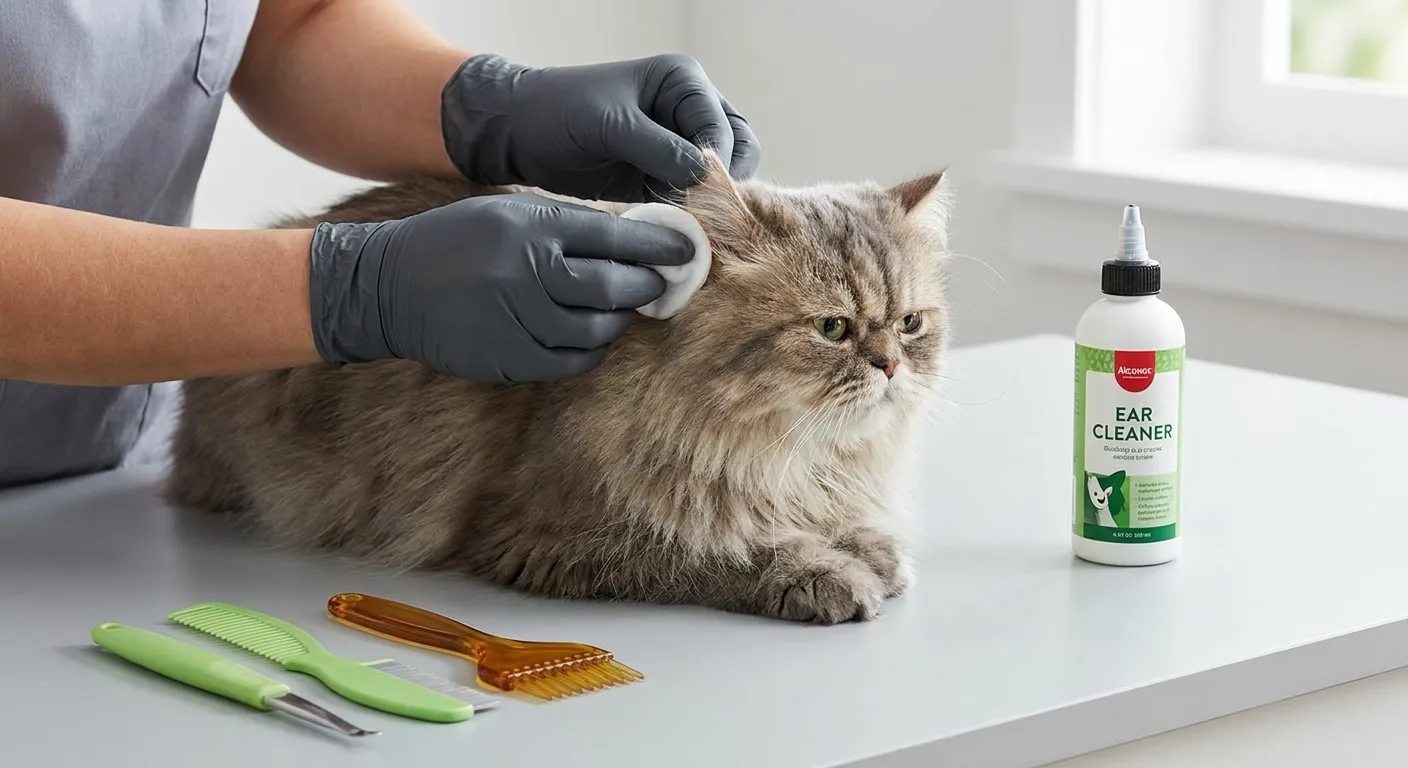
Persian cats are renowned for their luxurious coats and sweet dispositions. However, their unique features also require specific care. Regular Persian cat ear cleaning is often overlooked, yet it’s a crucial part of maintaining their overall health and comfort. Due to their long fur and sometimes smaller ear canals, Persian cats can be prone to ear wax buildup, dirt, and even infections if not properly cared for. Understanding how to gently and effectively clean your Persian’s ears can prevent discomfort and more serious health issues. Consequently, integrating this practice into your grooming routine is highly beneficial.
Why Regular Ear Care is Essential for Persian Cats
Persian cats, with their often smaller, fur-covered ears, can accumulate wax and debris more easily than other breeds. The long hair around and sometimes inside their ears can trap dirt, dust, and moisture, creating a breeding ground for bacteria or yeast. Ignoring ear hygiene can lead to painful ear infections, mites, or excessive wax buildup, which can impair hearing and cause significant discomfort. Incorporating ear cleaning into your regular grooming schedule helps detect potential problems early and keeps your feline friend happy and healthy. Furthermore, consistent care can prevent costly veterinary visits for severe ear conditions.
Moreover, Persian cats often have a genetic predisposition to certain ear conditions. For example, some may have narrower ear canals, which naturally restrict airflow and make them more susceptible to moisture retention. This environment is ideal for the proliferation of harmful microorganisms. Therefore, proactive ear care becomes even more critical for this breed. Regular inspections, coupled with proper cleaning, can significantly reduce the risk of such issues. Always remember that prevention is better than cure, especially when it comes to your cat’s delicate ears.
Understanding Persian Cat Ear Anatomy
To effectively perform Persian cat ear cleaning, it helps to understand their ear anatomy. Unlike human ears, a cat’s ear canal is L-shaped, extending vertically down and then horizontally towards the eardrum. This unique structure makes it difficult for debris to exit naturally. Additionally, Persian cats often have more hair growing inside their ear canals, which can further trap wax and dirt. This dense fur also reduces air circulation, creating a warm, moist environment conducive to bacterial and yeast growth. In fact, excessive hair can sometimes completely block the ear canal, leading to severe impaction. Knowing this anatomy underscores the importance of careful cleaning techniques.
Furthermore, the outer ear, or pinna, of a Persian cat is often covered with long, soft fur. This fur, while beautiful, can also act as a magnet for environmental allergens and irritants. These can then migrate into the ear canal, causing irritation and inflammation. Therefore, when cleaning, it’s important to gently clean the outer folds of the ear as well. Familiarity with your cat’s normal ear appearance will also help you quickly identify any abnormalities, such as redness, swelling, or unusual discharge. This knowledge empowers you to provide the best possible care for your cherished companion.
Preparing for a Successful Ear Cleaning Session
Before you begin, gather your supplies: a veterinarian-approved cat ear cleaner, cotton balls (never Q-tips, as they can push debris further in or damage the ear), and treats for positive reinforcement. Find a quiet, comfortable space where your cat feels secure. This calm environment is crucial for a stress-free experience. Ensure you have good lighting so you can clearly see inside the ear. Moreover, having a helper to gently hold your cat can make the process much smoother, especially if your cat is new to ear cleaning. Prepare all items within reach before you start, as this minimizes delays and keeps your cat settled.
Selecting the right ear cleaner is also vital. Consult your veterinarian for a recommendation, as some cleaners are better suited for specific conditions or sensitivities. Avoid using harsh chemicals, alcohol, or hydrogen peroxide, as these can irritate your cat’s delicate ear tissues. A good cleaner will be gentle, non-irritating, and effective at breaking down wax. Furthermore, always check the expiration date on the product. An expired cleaner may not be effective or could potentially cause adverse reactions. In addition, ensure the cleaner is at room temperature; cold liquid can be a shock to your cat’s ear.
The Gentle Process of Persian Cat Ear Cleaning
Gently hold your cat’s head and fold back the ear flap to expose the inner ear. Apply a small amount of the ear cleaner into the ear canal as directed by the product instructions. Do not insert the tip of the bottle too deeply. Gently massage the base of the ear for 20-30 seconds to help break up wax and debris. You should hear a squishing sound as the liquid moves around. Allow your cat to shake their head – this helps dislodge loosened material. Finally, use a clean cotton ball to wipe away any visible dirt or excess cleaner from the outer part of the ear and the entrance of the ear canal. Repeat with the other ear. Always praise and reward your cat throughout the process to make it a positive experience. This positive reinforcement builds trust and makes future sessions easier.
It’s important to note that you should never insert anything into your cat’s ear canal beyond what is visible. The L-shape of the canal means you could easily injure the eardrum. Cotton balls are designed to absorb and wipe away debris from the outer ear. If you encounter resistance or your cat shows significant discomfort, stop immediately. Consequently, it’s better to proceed slowly and gently rather than force the process. Remember, the goal is to clean, not to cause pain or fear. Consistency in technique and a calm demeanor on your part will contribute greatly to your cat’s acceptance of ear care.
How Often Should You Clean Your Persian Cat’s Ears?
The frequency of ear cleaning for Persian cats can vary. Generally, checking their ears weekly and cleaning them every 2-4 weeks is a good starting point. However, some Persian cats may require more frequent attention, especially if they are prone to excessive wax buildup or have a history of ear infections. Conversely, others might only need cleaning every 6-8 weeks. Your veterinarian can provide personalized advice based on your cat’s specific needs and health history. Factors like environmental allergies, diet, and overall health can all influence how often Persian cat ear cleaning is necessary. Therefore, a regular schedule should always be flexible and adapted to your individual cat.
Furthermore, pay close attention to the signs your cat gives you. If you notice them scratching their ears more often, shaking their head, or if there’s a visible accumulation of wax or debris, it’s time for a cleaning. Similarly, a foul odor emanating from the ears is a strong indicator that cleaning is needed. Establishing a routine and observing your cat’s behavior are key. For instance, some owners find it helpful to pair ear cleaning with other regular grooming activities, such as brushing, to make it part of an established routine. This predictability can help reduce your cat’s anxiety about the process.
Common Ear Problems in Persian Cats and When to See a Vet
Despite regular ear care, Persian cats can still develop ear problems. Common issues include ear mites, bacterial infections, and yeast infections. Signs of these problems often include excessive scratching, head shaking, redness or swelling, a foul odor, and discharge that can be brown, black, yellow, or green. In fact, ear mites often produce dark, crumbly debris resembling coffee grounds. If you notice any of these symptoms, it’s crucial to consult your veterinarian promptly. Attempting to self-diagnose or treat an infection with over-the-counter products can worsen the condition or delay appropriate treatment.
Your veterinarian can accurately diagnose the underlying cause of the ear problem through a thorough examination and possibly microscopic analysis of ear discharge. They can then prescribe the correct medication, whether it’s an antibiotic, antifungal, or antiparasitic treatment. Furthermore, they can advise on specific cleaning protocols during an infection. Ignoring these signs can lead to chronic ear issues, hearing loss, or even damage to the eardrum. Therefore, timely professional intervention is paramount for your cat’s well-being. A visit to the vet ensures your beloved Persian receives the best possible care.
Advanced Tips for Maintaining Persian Cat Ear Health
Beyond routine Persian cat ear cleaning, there are additional steps you can take to maintain optimal ear health. Consider trimming the long hair around and just inside the ear canal. This practice can significantly improve air circulation and reduce the trapping of debris and moisture. However, be extremely careful if you choose to do this yourself, using only blunt-nosed scissors specifically designed for pet grooming. If you’re unsure, a professional groomer or veterinarian can safely perform this task. This small step can make a big difference in preventing ear issues. In addition, always ensure your cat’s ears are dry after bathing. Moisture is a prime contributor to yeast infections.
Another valuable tip is to incorporate ear health supplements into your cat’s diet, if recommended by your vet. Some supplements contain ingredients that support skin and coat health, which can indirectly benefit ear health. Similarly, a high-quality diet rich in essential fatty acids can contribute to overall skin barrier function, making your cat less susceptible to infections. Regularly check for ticks or fleas around the ears, especially if your cat spends time outdoors. These parasites can cause irritation and introduce pathogens. Lastly, maintain a clean living environment. Dust and allergens can easily find their way into your cat’s ears, so regular vacuuming and dusting can help reduce exposure.
The Long-Term Benefits of Consistent Persian Cat Ear Cleaning
Consistent and gentle ear cleaning is key to preventing common ear problems in Persian cats. While regular at-home care is beneficial, always consult your veterinarian if you notice signs of infection, such as redness, swelling, foul odor, excessive scratching, or discharge. They can provide a proper diagnosis and treatment plan. By making Persian cat ear cleaning a routine practice, you’re investing in your beloved pet’s long-term health and well-being. This proactive approach significantly reduces the likelihood of painful and costly ear conditions. Furthermore, it strengthens the bond between you and your cat, as they learn to trust your gentle handling.
Ultimately, a healthy Persian cat is a happy Persian cat. Their ears are delicate organs that require attention and care, just like their magnificent coats. By following these guidelines and maintaining open communication with your veterinarian, you can ensure your Persian cat enjoys a life free from ear discomfort. Embrace the routine, observe your cat closely, and provide the consistent care they deserve. This dedication to their grooming needs, including regular ear hygiene, will contribute immensely to their overall quality of life. For more detailed information on feline ear health, you can visit resources like the ASPCA’s cat grooming tips or the Humane Society’s cat care guide.
FAQ Section
What supplies do I need for cleaning my Persian cat’s ears?
You will need a veterinarian-approved cat ear cleaner, clean cotton balls (avoid Q-tips), and some treats for positive reinforcement. Ensure you have good lighting and a quiet, comfortable space.
How often should I clean my Persian’s ears?
Generally, checking their ears weekly and cleaning them every 2-4 weeks is a good starting point. However, some cats may need more frequent attention, while others less. Consult your vet for personalized advice.
What are the signs of an ear infection in felines?
Signs of an ear infection include excessive scratching, head shaking, redness or swelling, a foul odor, and discharge (brown, black, yellow, or green) from the ear. If you notice these symptoms, contact your veterinarian.
Can I use hydrogen peroxide to clean my cat’s ears?
No, it is not recommended to use hydrogen peroxide or alcohol to clean your cat’s ears. These substances can be irritating and potentially harmful to their delicate ear tissues. Always use a veterinarian-approved cleaner.
When should I take my Persian to the vet for ear concerns?
You should take your Persian to the vet if you notice any signs of infection, persistent discomfort, unusual discharge, or if you suspect mites. Professional diagnosis and treatment are essential for their health.

